Growing and Caring for Abelia
About thirty species of deciduous and evergreen shrubs make up the Abelia genus, which is well-known for its vivid leaves and extended bloom durations.
Explore our complete collection of plants and flowers gardening guides designed to help beginners and experienced gardeners grow healthy, vibrant plants. In this section you’ll find detailed care guides for ornamental plants, flowering species, succulents, and perennials including Abelia, Agave, African Daisy, and more. Learn essential gardening techniques such as proper watering, soil preparation, sunlight requirements, pruning, and pest prevention. Whether you’re building a flower garden, growing indoor plants, or improving your landscape, these plant care guides provide practical tips to help your plants thrive in any garden environment.
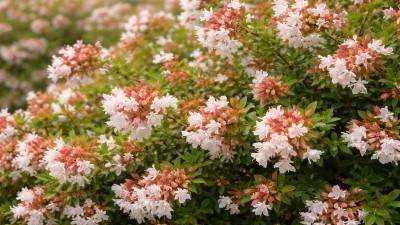
About thirty species of deciduous and evergreen shrubs make up the Abelia genus, which is well-known for its vivid leaves and extended bloom durations.
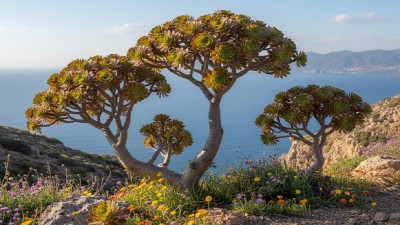
Aeoniums are succulent plants with thick, fleshy leaves that are indigenous to North Africa, Madeira, and the Canary Islands.
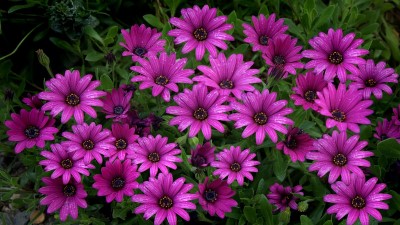
The African daisy (Osteospermum spp.) is indigenous to South Africa. The silvery gray foliage of these plants accentuates their vibrant blossoms.
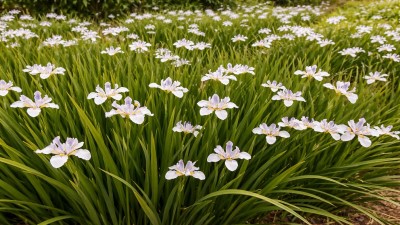
The African iris (Dietes iridioides) is an evergreen plant that thrives in warmer climates and has a long flowering season that lasts from spring to October.
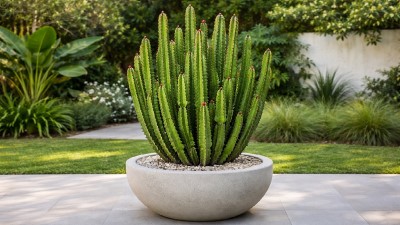
Native to Central Africa, the African milk tree (Euphorbia trigona) is a succulent that grows quickly.
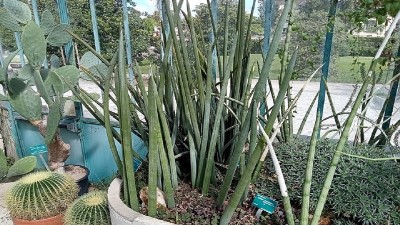
The African spear plant, often called the cylindrical snake plant, is a succulent houseplant with gray-green, delicately striped leaves that resemble spears and have pointed tips.
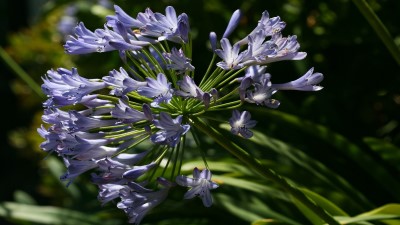
African lilies, or agapanthus, are perennials that are indigenous to South Africa. They are a great cut flower.
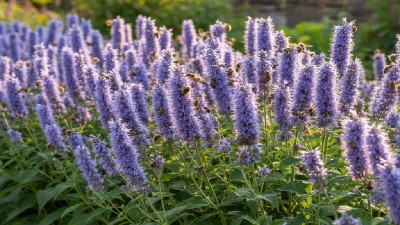
Agastache is a carefree herbaceous perennial with tubular flowers that attract bees, butterflies, and hummingbirds.
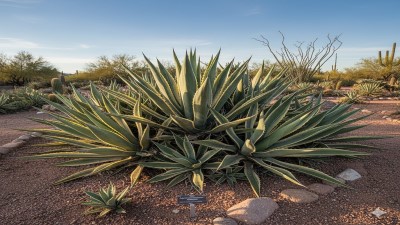
Agave plants, with their huge leaves and spiky points, provide a dramatic presence in any garden or indoor setting.