Growing & Caring for Baltic Blue Pothos (Epipremnum pinnatum ‘Baltic Blue’)
About Baltic Blue Pothos
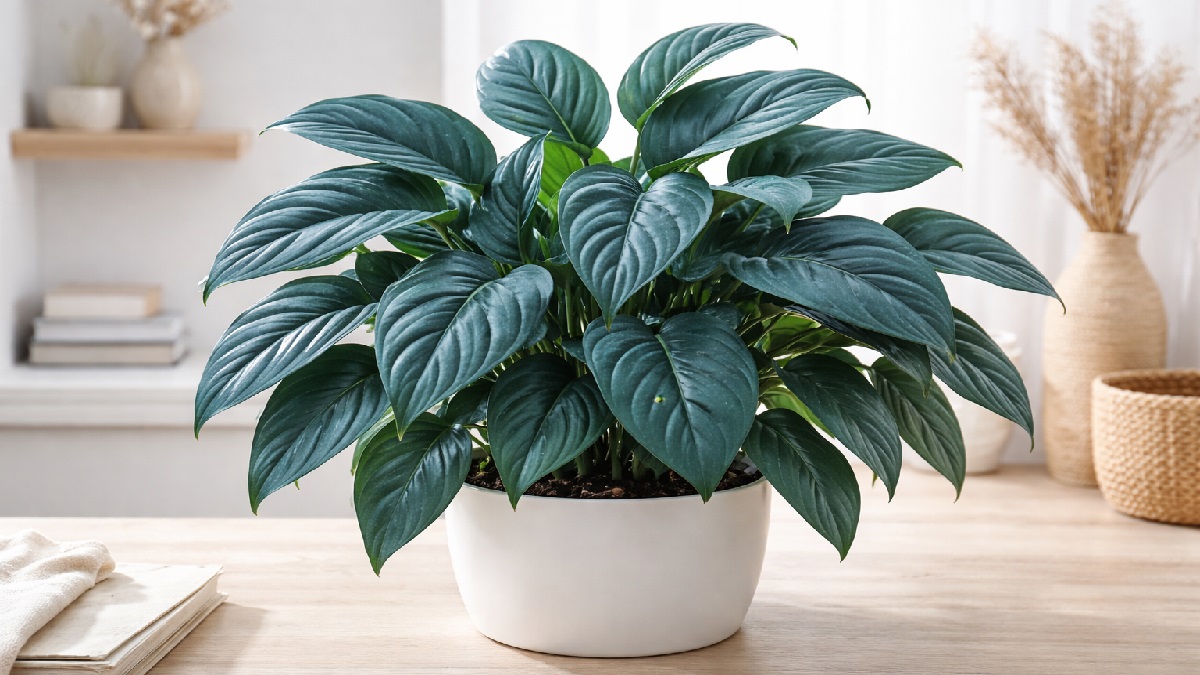
Baltic Blue Pothos (Epipremnum pinnatum ‘Baltic Blue’) is a striking tropical houseplant prized for its deep blue-green foliage and elegant, elongated leaves. Unlike the more common golden pothos, this variety has a richer, darker tone and a subtle satin sheen that gives it a sophisticated, modern look. As the plant matures, its leaves may develop natural splits (fenestrations), similar to those seen in plants like Monstera, adding visual interest and a more dramatic appearance.
This pothos is a fast-growing and low-maintenance plant, making it ideal for both beginners and experienced plant lovers. It thrives in bright, indirect light but can also tolerate lower light conditions, though growth may slow. Baltic Blue Pothos prefers well-draining soil and moderate watering—allow the top layer of soil to dry out between waterings to prevent root rot. Its vining habit makes it perfect for hanging baskets, shelves, or training up a moss pole for vertical growth.
Beyond its beauty, Baltic Blue Pothos is also valued for its adaptability and air-purifying qualities. It can handle typical indoor environments, including varying humidity levels, although it appreciates slightly higher humidity for optimal growth. With minimal care and occasional pruning, this plant can quickly become a lush, trailing centerpiece in any indoor space.
Baltic Blue Pothos Care
Baltic Blue Pothos (Epipremnum pinnatum ‘Baltic Blue’) is a low-maintenance houseplant that thrives in bright, indirect light but can adapt to lower light conditions. For best growth and to encourage its signature split leaves, place it near a window with filtered light. Water only when the top layer of soil feels dry, and always use a well-draining potting mix with drainage holes to prevent root rot. Avoid direct sunlight, as it can scorch the deep blue-green leaves.
This plant grows well in normal indoor temperatures (18–30°C) and tolerates average humidity, though slightly higher humidity promotes healthier growth. Feed it with a balanced liquid fertilizer once a month during spring and summer. You can prune it to control size and encourage bushier growth, and train it to climb a moss pole for larger, more dramatic foliage. Overall, it’s a hardy, adaptable plant perfect for beginners and indoor spaces.
Baltic Blue Pothos Light Requirements
Baltic Blue Pothos (Epipremnum pinnatum ‘Baltic Blue’) thrives best in bright, indirect light, which helps maintain its deep blue-green color and encourages the development of mature split leaves. While it can tolerate low light conditions, growth will slow and the foliage may remain smaller and less dramatic. Avoid direct sunlight, especially harsh afternoon rays, as they can scorch the leaves. A spot near an east- or north-facing window, or a few feet away from a bright south- or west-facing window with filtered light, is ideal for healthy growth.
Baltic Blue Pothos Soil Requirement
Baltic Blue Pothos (Epipremnum pinnatum ‘Baltic Blue’) thrives in a well-draining, airy soil mix that prevents excess moisture from sitting around the roots. A good option is a standard indoor potting mix amended with materials like perlite, coco coir, or orchid bark to improve drainage and aeration. The soil should retain some moisture without becoming soggy, as overly wet conditions can lead to root rot. Using a pot with proper drainage holes is essential to keep the root system healthy and promote steady growth.
Baltic Blue Pothos Watering Requirement
Baltic Blue Pothos (Epipremnum pinnatum ‘Baltic Blue’) prefers moderate watering and does best when the soil is allowed to partially dry out between waterings. Water thoroughly once the top 2–5 cm (1–2 inches) of soil feels dry, ensuring excess water drains out to prevent root rot. Avoid keeping the soil constantly wet, as this can damage the roots, while letting it stay too dry for long periods may cause leaf drooping or browning. Adjust watering frequency based on light, temperature, and season—less in cooler months and more during active growth.
Baltic Blue Pothos Temperature & Humidity Requirement
Baltic Blue Pothos (Epipremnum pinnatum ‘Baltic Blue’) grows best in warm indoor temperatures between 18–30°C and should be kept away from cold drafts or sudden temperature drops below 12–15°C, which can stress the plant. It adapts well to average household humidity, but higher humidity levels help promote healthier growth and larger, more vibrant leaves. In dry conditions, occasional misting, using a humidity tray, or placing the plant near other houseplants can improve its overall condition.
Baltic Blue Pothos Fertilizer Requirement
Baltic Blue Pothos (Epipremnum pinnatum ‘Baltic Blue’) benefits from regular feeding during its active growing season. Use a balanced liquid fertilizer (such as a 10-10-10 or 20-20-20 mix) once every 4–6 weeks in spring and summer to support healthy growth and vibrant foliage. Reduce or stop fertilizing during fall and winter when the plant’s growth naturally slows.
Always dilute the fertilizer to half strength to avoid overfeeding, which can cause salt buildup and leaf burn. Occasional flushing of the soil with plain water helps prevent excess mineral accumulation and keeps the roots healthy.
Baltic Blue Pothos Pruning
Baltic Blue Pothos (Epipremnum pinnatum ‘Baltic Blue’) benefits from regular pruning to maintain its shape and encourage fuller, bushier growth. Trim back long, leggy vines just above a node (the point where leaves grow), which stimulates new shoots and helps the plant look more compact. Pruning also helps remove any yellow, damaged, or unhealthy leaves, keeping the plant looking fresh.
You can prune at any time of the year, though it’s best during the growing season (spring and summer) for quicker recovery. The cuttings can be easily propagated in water or soil, making pruning a great way to grow new plants or fill out the original pot.
Baltic Blue Pothos Propagating
Baltic Blue Pothos (Epipremnum pinnatum ‘Baltic Blue’) is very easy to propagate, making it perfect for expanding your plant collection. The most common method is stem cuttings—simply cut a healthy vine just below a node (where a leaf and aerial root emerge). Place the cutting in water or directly into moist soil, ensuring at least one node is submerged or buried, as this is where roots will develop.
If propagating in water, keep the container in bright, indirect light and change the water every few days to keep it fresh. Roots usually appear within 1–3 weeks, after which the cutting can be transferred to soil. For soil propagation, keep the mix lightly moist (not soggy) until the roots establish. With warm conditions and good light, Baltic Blue Pothos cuttings root quickly and grow into new plants with minimal effort.
How to Grow Baltic Blue Pothos From Seed
Baltic Blue Pothos (Epipremnum pinnatum ‘Baltic Blue’) is not typically grown from seed, especially as a houseplant. In natural tropical environments, the plant can produce seeds after flowering, but this is extremely rare indoors. Most cultivated Baltic Blue Pothos plants do not flower at all, making seeds nearly unavailable in regular gardening practice.
Because of this, propagation is almost always done through stem cuttings, which are faster, easier, and more reliable. If seeds were available, they would require warm temperatures, high humidity, and a sterile, well-draining medium to germinate—but for home growers, vegetative propagation remains the only practical and widely used method.
Baltic Blue Pothos Potting & Repotting
Baltic Blue Pothos (Epipremnum pinnatum ‘Baltic Blue’) grows best in a pot with good drainage and a light, well-aerated soil mix. Choose a container with drainage holes to prevent water from collecting at the bottom, which can lead to root rot. When potting, use a loose mix (such as potting soil combined with perlite or bark) to keep the roots healthy and allow proper airflow.
Repotting is typically needed every 1–2 years or when the plant becomes root-bound (roots circling the pot or growing out of drainage holes). Move it to a pot one size larger to give the roots room to expand. The best time to repot is during spring or early summer, when the plant is actively growing and can recover quickly. After repotting, water lightly and place the plant in bright, indirect light to help it adjust.
Baltic Blue Pothos Overwintering
Baltic Blue Pothos (Epipremnum pinnatum ‘Baltic Blue’) is a tropical plant that does not tolerate cold, so overwintering simply means keeping it in stable, warm indoor conditions. Maintain temperatures above 15°C and keep the plant away from cold drafts, windows with chilly air, or air conditioners. Place it in bright, indirect light, as reduced winter light can slow growth and cause legginess.
During winter, reduce watering since the plant’s growth slows—allow the soil to dry out a bit more between waterings to avoid root rot. Stop or greatly reduce fertilizing until spring, and maintain moderate humidity if indoor air becomes dry (especially from heaters). With minimal care adjustments, the plant will stay healthy and resume active growth when warmer conditions return.
How to Bloom Baltic Blue Pothos
Baltic Blue Pothos (Epipremnum pinnatum ‘Baltic Blue’) rarely blooms as an indoor plant, so flowering is not something most growers can achieve. In its natural tropical habitat, mature plants can produce flowers, but this typically requires very specific conditions—strong light, high humidity, and a fully mature, climbing plant. Indoors, it almost never reaches the stage needed to bloom.
If you still want to encourage the possibility, provide bright, indirect light, warm temperatures, high humidity, and allow the plant to climb a moss pole or support to reach maturity. Consistent care and minimal stress help, but even with ideal conditions, blooming is extremely uncommon. This plant is mainly grown for its beautiful foliage rather than its flowers.
Pests, Diseases & Other Problems
Baltic Blue Pothos (Epipremnum pinnatum ‘Baltic Blue’) is generally a hardy plant, but it can occasionally face common houseplant pests like spider mites,mealybugs , and scale insects. These pests often appear in dry conditions and can cause yellowing leaves, sticky residue, or tiny webbing. Regularly inspect the leaves (especially undersides) and wipe them clean. If needed, treat with neem oil or insecticidal soap to control infestations.
In terms of diseases, the most common issue is root rot caused by overwatering or poorly draining soil. Symptoms include yellowing leaves, mushy stems, and a foul smell from the soil. Ensuring proper drainage and allowing the soil to dry slightly between waterings helps prevent this. Other problems may include brown leaf edges (low humidity or underwatering) and leggy growth (insufficient light). With proper care and monitoring, most issues can be easily prevented or resolved early.
Related Guides
Baltic Blue Pothos FAQs
How fast does Baltic Blue Pothos grow?
Baltic Blue Pothos is a fast-growing houseplant under ideal conditions. With bright, indirect light and proper care, it can produce new growth regularly during the spring and summer months.
Why are my Baltic Blue Pothos leaves not splitting?
Leaf splits (fenestrations) usually appear only when the plant matures and receives enough light. Providing bright, indirect light and allowing the plant to climb a support like a moss pole can encourage splitting.
Can Baltic Blue Pothos grow in low light?
Yes, it can tolerate low light conditions, but growth will slow, and the leaves may remain smaller without developing splits. Bright, indirect light is best for healthy growth.
How often should I water Baltic Blue Pothos?
Water when the top 1–2 inches of soil feel dry. Avoid overwatering, as soggy soil can lead to root rot. Adjust watering frequency depending on the season and indoor conditions.
Is Baltic Blue Pothos safe for pets?
No, Baltic Blue Pothos is toxic to pets if ingested. It contains calcium oxalate crystals that can cause irritation, so keep it out of reach of cats and dogs.
Can I propagate Baltic Blue Pothos in water?
Yes, it propagates very easily in water. Simply place a stem cutting with at least one node in water, and roots typically develop within a few weeks.
Why are the leaves turning yellow?
Yellow leaves are often caused by overwatering, poor drainage, or low light. Ensure the soil drains well and allow it to dry slightly between waterings.