Growing & Caring for Balloon Flowers (Platycodon grandiflorus)
About Balloon Flowers
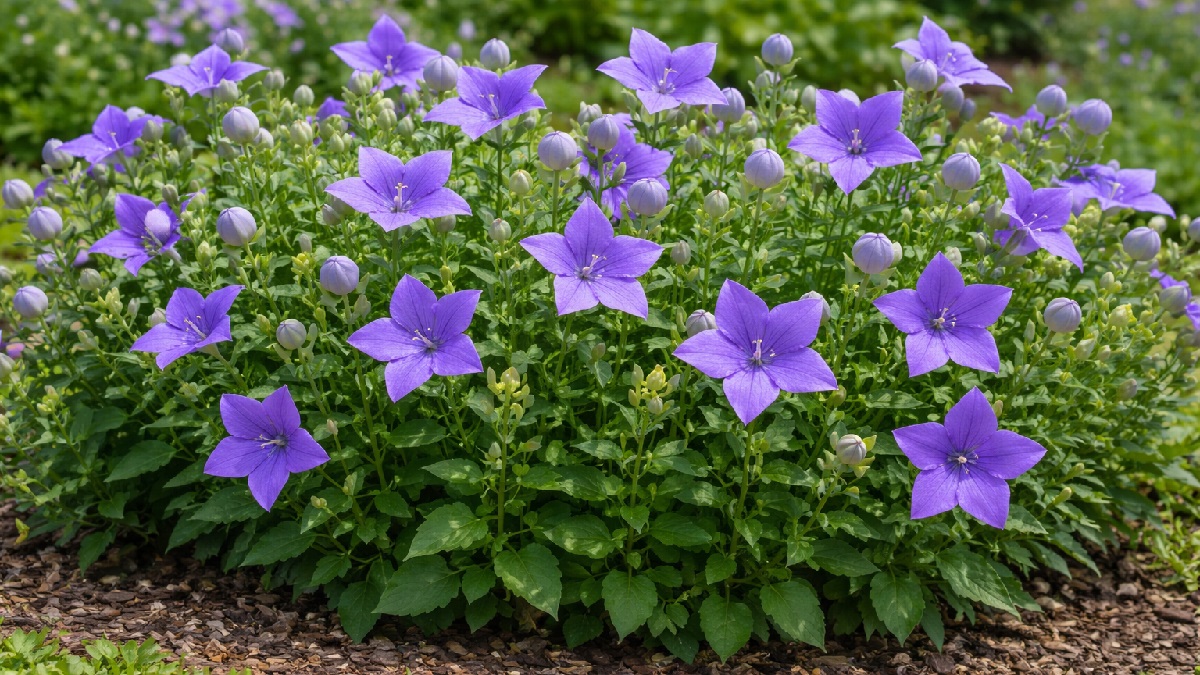
Balloon Flowers (Platycodon grandiflorus) are charming perennial plants known for their unique balloon-like buds that swell before opening into beautiful star-shaped blooms. Native to East Asia, these flowers typically come in shades of blue, purple, pink, and white, adding a soft, elegant touch to gardens and landscapes. Their long blooming season—usually from early summer to late summer—makes them a popular choice for borders, cottage gardens, and container planting.
These plants thrive best in full sun to partial shade and prefer well-drained soil. Balloon flowers are relatively low-maintenance once established, requiring moderate watering and occasional deadheading to encourage more blooms. They grow in upright clumps, usually reaching heights of 1 to 3 feet, and are known for their resilience and ability to return year after year.
In addition to their ornamental appeal, Balloon Flowers are also valued in traditional herbal practices, especially in parts of Asia where their roots have been used for medicinal purposes. Their combination of visual interest, ease of care, and cultural significance makes them a delightful addition to both beginner and experienced gardeners alike.
Balloon Flowers (Platycodon grandiflorus) are easy to care for and reward gardeners with long-lasting blooms when given the right conditions. They grow best in full sun to partial shade, with at least 5–6 hours of sunlight daily. Plant them in well-drained, loamy soil, as they don’t tolerate waterlogged conditions. Water regularly during the growing season, keeping the soil lightly moist but not soggy—once established, they can handle short dry periods.
These plants benefit from minimal feeding; a balanced fertilizer applied once in spring is usually enough. Taller varieties may need light staking to prevent stems from bending, especially in windy areas. Deadheading spent flowers can encourage more blooms, though it’s not essential. Since Balloon Flowers emerge late in spring, mark their location to avoid accidentally disturbing them while gardening.
In colder months, the plant dies back naturally and re-emerges in spring. Mulching around the base helps protect roots and retain moisture. Avoid frequent transplanting, as Balloon Flowers develop deep taproots and prefer to stay undisturbed. With proper care, they can thrive for many years, making them a reliable and attractive addition to any garden.
Balloon Flowers (Platycodon grandiflorus) grow best in full sun to partial shade, ideally receiving about 5–6 hours of direct sunlight each day for strong growth and abundant blooms; in cooler climates they can handle full sun easily, while in hotter regions a bit of afternoon shade helps prevent stress and keeps the flowers looking fresh.
Balloon Flowers (Platycodon grandiflorus) prefer well-drained, loamy soil that is rich in organic matter, allowing roots to grow deep without sitting in excess moisture. The soil should be slightly acidic to neutral (pH around 5.5–7.5), as overly compacted or waterlogged soil can lead to root rot. Mixing in compost or leaf mold improves drainage and fertility, creating an ideal environment for healthy growth and long-lasting blooms.
Balloon Flowers (Platycodon grandiflorus) need moderate watering to keep the soil consistently lightly moist, especially during their active growing and blooming season. Water deeply but allow the top layer of soil to dry slightly between waterings, as these plants dislike soggy conditions and are prone to root rot if overwatered. Once established, they become fairly drought-tolerant and only need occasional watering during dry spells, though regular moisture will encourage healthier growth and more abundant blooms.
Balloon Flowers (Platycodon grandiflorus) grow best in moderate temperatures, ideally between 18–25°C, and can tolerate a wide range of climates, including mild heat and cool conditions. They are quite hardy and can survive winter temperatures in many regions by going dormant and regrowing in spring. These plants are not very sensitive to humidity and adapt well to average outdoor conditions, but good air circulation is important to prevent fungal issues in overly humid environments.
Balloon Flowers (Platycodon grandiflorus) are light feeders and generally don’t require heavy fertilization. Applying a balanced, all-purpose fertilizer once in early spring is enough to support healthy growth and flowering. You can also enrich the soil with compost or organic matter, which slowly releases nutrients over time. Avoid excessive use of high-nitrogen fertilizers, as this can lead to lush foliage at the expense of blooms.
Balloon Flowers (Platycodon grandiflorus) require minimal pruning, making them easy to maintain. You can pinch back young stems in late spring to encourage bushier growth and prevent the plant from becoming too tall or leggy. During the blooming season, removing spent flowers (deadheading) can help promote additional blooms and keep the plant looking tidy. At the end of the growing season, once the foliage has died back, cut the stems down to ground level to prepare the plant for winter dormancy.
Balloon Flowers (Platycodon grandiflorus) can be propagated mainly by seeds or, less commonly, by division. Growing from seed is the easiest and most reliable method—sow seeds in early spring either indoors or directly in the garden after the last frost. Keep the soil lightly moist, and germination usually occurs within a couple of weeks. Seed-grown plants may take a year or two to establish and start blooming fully.
Propagation by division is possible but not always recommended, as Balloon Flowers develop deep taproots that are sensitive to disturbance. If you choose to divide, do so carefully in early spring or fall, ensuring each section has a healthy root system. However, because they dislike being moved, divisions may take time to recover, so many gardeners prefer starting new plants from seeds for better success.
Balloon Flowers (Platycodon grandiflorus) can be grown successfully in containers, provided the pot has good drainage and is deep enough to accommodate their long taproot. Use a well-draining potting mix enriched with compost, and choose a container with drainage holes to prevent waterlogging. Place the pot in a sunny spot where the plant can receive adequate light for healthy growth and flowering.
Repotting is rarely needed, as Balloon Flowers do not like root disturbance and prefer to remain in the same container for years. If repotting becomes necessary due to overcrowding or depleted soil, do it carefully in early spring, trying to keep the root ball intact. Moving to a slightly larger pot with fresh soil can help refresh the plant, but frequent repotting should be avoided to prevent stress.
Balloon Flowers (Platycodon grandiflorus) are hardy perennials that naturally go dormant in winter. As temperatures drop, the foliage dies back, and the plant rests underground until spring. In garden beds, simply cut back the dead stems to ground level and apply a layer of mulch to protect the roots from extreme cold and to retain soil moisture.
For potted plants, move containers to a sheltered spot where they are protected from frost, such as a covered patio or balcony. Water sparingly during winter, keeping the soil just slightly moist but never soggy. Avoid fertilizing during this dormant period, and resume normal care once new growth appears in spring.
Balloon Flowers (Platycodon grandiflorus) bloom best when grown in bright conditions with plenty of sunlight—aim for at least 5–6 hours of direct sun daily. Adequate light is the key factor for encouraging those signature balloon-like buds to form and open into star-shaped flowers. Plant them in well-draining soil and avoid overly rich, nitrogen-heavy fertilizers, as too much foliage growth can reduce flowering.
Consistent but moderate watering also helps promote blooming—keep the soil lightly moist without letting it become soggy. Feeding with a balanced fertilizer once in early spring supports healthy bud development, while occasional deadheading can encourage the plant to produce more blooms throughout the season. With proper care and patience, Balloon Flowers will reward you with a long and vibrant flowering display from early to late summer.
Balloon Flowers (Platycodon grandiflorus) are generally hardy and resistant to most pests and diseases, but they can occasionally face a few common issues. Pests like aphids, spider mites, and slugs may appear, especially in warm or damp conditions. These can usually be controlled with regular inspection, a strong spray of water, or natural remedies like neem oil.
The most common disease problem is root rot, which occurs in poorly drained or overly wet soil. Fungal issues such as leaf spot or powdery mildew may also develop in humid environments with poor air circulation. Ensuring proper spacing, good airflow, and well-draining soil helps prevent these problems. Avoid overhead watering and remove affected leaves promptly to keep the plant healthy.
Other problems include weak or floppy stems, especially in taller varieties, which may require staking or pinching back early growth. Balloon Flowers also emerge late in spring, so they may seem slow to appear—this is normal and not a sign of damage. With proper care and attention, most issues can be easily managed, keeping the plant healthy and blooming beautifully.
Related Guides
Balloon Flowers FAQs
How long do Balloon Flowers bloom?
Balloon Flowers typically bloom from early summer to late summer. With proper care and occasional deadheading, they can continue producing flowers for several weeks.
Do Balloon Flowers come back every year?
Yes, Balloon Flowers are hardy perennials. They go dormant in winter and regrow each spring, often returning stronger year after year.
Can Balloon Flowers grow in pots?
Yes, they grow well in containers as long as the pot is deep enough to accommodate their taproot and has good drainage. Use well-draining soil and place them in a sunny location.
Why are my Balloon Flowers not blooming?
Lack of sunlight is the most common reason. Ensure the plant gets at least 5–6 hours of direct sunlight daily. Over-fertilizing with nitrogen can also reduce flowering.
How often should I water Balloon Flowers?
Water regularly to keep the soil lightly moist, especially during the growing season. Allow the top layer of soil to dry slightly between watering to prevent root rot.
Are Balloon Flowers easy to grow for beginners?
Yes, they are low-maintenance and easy to grow, making them a great choice for beginners. Once established, they require minimal care.
Do Balloon Flowers need pruning?
Minimal pruning is needed. You can pinch back young stems for bushier growth and remove spent flowers to encourage more blooms.
Are Balloon Flowers toxic to pets?
Balloon Flowers are generally considered non-toxic to pets, but it’s always best to prevent pets from chewing on plants.