Growing & Caring for Bahia Grass (Paspalum notatum)
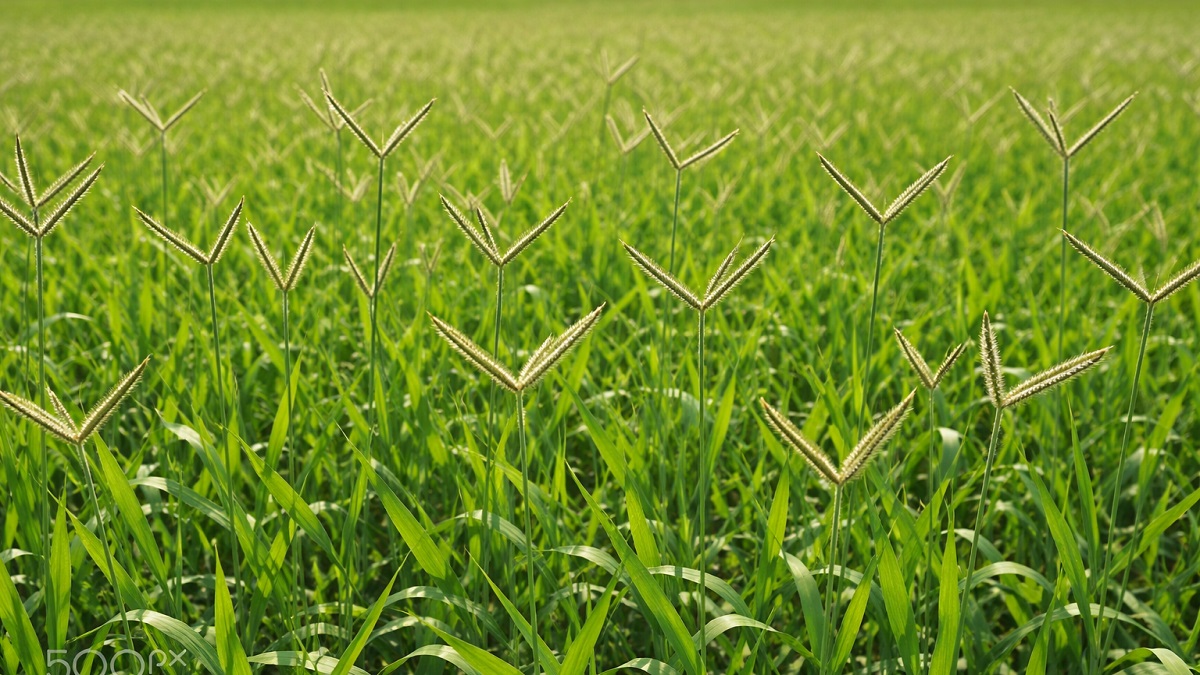
Bahia grass (Paspalum notatum) is a warm-season perennial turfgrass known for its toughness and low maintenance needs. Native to South America, it has become popular in regions with hot, humid climates because of its excellent drought tolerance and ability to grow in poor, sandy soils. The grass forms a coarse, open turf with a deep root system that helps it survive dry conditions where many other lawn grasses struggle.
One of the key characteristics of Bahia grass is its distinctive Y-shaped seed heads, which appear frequently during the growing season. While this makes it less visually refined compared to grasses like Bermuda or Zoysia, it compensates with durability and resilience. It requires minimal fertilization, is relatively pest-resistant, and can thrive with limited care, making it a practical choice for large lawns, roadsides, and pastures.
Bahia grass performs best in full sun and does not tolerate heavy shade well. It is often used for erosion control and as a forage grass due to its hardiness. Although it may not provide the dense, carpet-like appearance of premium turf varieties, its ability to withstand heat, drought, and neglect makes it an excellent option for low-maintenance landscapes.
Bahia grass is valued for its low-maintenance nature, but proper care helps it stay healthier and greener throughout the growing season. It thrives best in full sunlight, so choose an open area with at least 6–8 hours of direct sun daily. While it tolerates poor soils, it grows better in well-drained soil with a slightly acidic to neutral pH.
Watering needs are minimal once established, thanks to its deep root system. During prolonged dry periods, watering once a week is usually enough to keep it from going dormant. Overwatering should be avoided, as Bahia grass prefers slightly dry conditions. Fertilization should also be light—apply a balanced or nitrogen-rich fertilizer once or twice during the growing season to encourage steady growth without excessive thatch.
Mowing should be done at a height of about 2.5 to 4 inches to maintain a healthy lawn. Bahia grass produces frequent seed heads, so regular mowing helps keep the lawn looking tidy. Weed control is generally easier due to its hardy nature, but occasional spot treatment may be needed. Overall, with minimal watering, light feeding, and consistent mowing, Bahia grass remains a durable and easy-care turf option.
Bahia grass (Paspalum notatum) grows best in full sun, requiring at least 6–8 hours of direct sunlight daily for optimal health and growth. It thrives in open, bright areas and develops a stronger root system and denser coverage when exposed to plenty of sunlight. While it can tolerate very light shade, prolonged or heavy shade will cause thin, patchy growth and reduced vigor, making it less suitable for shaded lawns or under dense tree cover.
Bahia grass (Paspalum notatum) adapts well to a wide range of soil types but performs best in well-drained, sandy or loamy soils. It is especially valued for its ability to grow in poor, low-fertility soils where many other grasses struggle, making it ideal for areas with less fertile ground. The grass prefers a slightly acidic to neutral soil pH (around 5.5 to 7.0) and does not tolerate waterlogged or heavy clay soils for long periods. Good drainage is essential to prevent root problems, although its deep root system helps it withstand drought and nutrient-poor conditions effectively.
Bahia grass (Paspalum notatum) has low to moderate watering needs and is highly drought-tolerant once established. Its deep root system allows it to survive with minimal irrigation, so watering is usually only necessary during extended dry periods. A deep watering once a week is typically sufficient to keep the grass healthy, while overwatering should be avoided as it prefers slightly dry conditions. Newly planted or recently seeded lawns require more frequent watering until the roots are well established, after which the grass can thrive with very little supplemental water.
Bahia grass (Paspalum notatum) thrives in warm temperatures and high humidity, making it ideal for tropical and subtropical climates. It grows best in temperatures between 25°C and 35°C and becomes actively green during the warm season. The grass has good tolerance to heat and humidity but is sensitive to cold; growth slows significantly when temperatures drop below 15°C and it may go dormant or turn brown during frost or prolonged cool weather. While it can handle humid conditions well, proper air circulation and well-drained soil help prevent any moisture-related issues.
Bahia grass (Paspalum notatum) has low fertilizer requirements compared to most turfgrasses, making it ideal for low-maintenance lawns. It typically needs only one or two light applications of fertilizer during the growing season, preferably a balanced or slightly nitrogen-rich formula to support steady growth. Excessive fertilization should be avoided, as it can lead to thatch buildup and weaken the grass over time. In nutrient-poor soils, a slow-release fertilizer works best to provide consistent nourishment, while established lawns often perform well with minimal feeding.
Bahia grass (Paspalum notatum) does not require traditional pruning but benefits from regular mowing to maintain its appearance and health. It should be mowed to a height of about 2.5 to 4 inches, which helps promote strong root growth and prevents the grass from becoming too sparse. Frequent mowing is especially important during the growing season to remove its characteristic seed heads and keep the lawn looking neat. Avoid cutting more than one-third of the grass height at a time, as this can stress the plant. Occasional removal of dry or dead patches also helps maintain overall lawn health.
Bahia grass (Paspalum notatum) is primarily propagated by seed, making it one of the easiest turf grasses to establish over large areas. Seeds are usually sown during the warm season when soil temperatures are consistently above 20°C, ensuring quick germination and strong early growth. The soil should be lightly prepared and kept moist until the seedlings are well established, which typically takes a few weeks.
It can also be propagated through sod or plugs, though this method is less common compared to seeding. When using sod or plugs, space them evenly and water regularly until they root firmly into the soil. Once established, Bahia grass spreads naturally through short rhizomes, gradually filling in bare spots and forming a durable, low-maintenance lawn.
To grow Bahia grass (Paspalum notatum) from seed, start by preparing the planting area during the warm season when soil temperatures are above 20°C. Clear weeds, loosen the topsoil, and level the ground to create a smooth seedbed. Lightly rake the soil so the seeds can make good contact, as this improves germination.
Spread the seeds evenly across the area, either by hand or with a spreader, and lightly rake again to cover them with a thin layer of soil. Avoid burying the seeds too deep, as they need some light to germinate. After sowing, gently water the area to keep the soil consistently moist but not soggy.
Germination usually occurs within 1–3 weeks, depending on temperature and moisture conditions. Continue light, frequent watering until the seedlings are well established. Once the grass reaches a few inches in height, reduce watering and begin mowing gradually. With proper care, Bahia grass will develop into a hardy, drought-tolerant lawn over time.
Bahia grass (Paspalum notatum) is not commonly grown in pots, as it is best suited for lawns and open landscapes due to its spreading growth habit and deep root system. However, if grown in containers for temporary use or experimentation, choose a large pot with good drainage and fill it with a well-draining sandy or loamy soil mix. Ensure the container receives plenty of direct sunlight and avoid overwatering, as the grass prefers slightly dry conditions.
Repotting is rarely necessary, but if the grass becomes root-bound or overcrowded, it can be transferred to a larger container. Gently loosen the roots and replant in fresh soil, watering lightly afterward to help it settle. Keep in mind that Bahia grass performs much better when planted directly in the ground, where it has space to spread and establish fully.
Bahia grass (Paspalum notatum) is a warm-season grass that naturally slows down and goes dormant during cooler months. In regions with mild winters, it may stay partially green, but in colder conditions or when temperatures drop below about 15°C, it turns brown and stops active growth. This is normal and not a sign of damage.
Overwintering care is minimal—reduce or stop fertilization in late season, mow less frequently, and avoid heavy watering since the grass requires very little moisture while dormant. Keep the lawn free of debris to prevent disease and allow good air circulation. Once temperatures rise in spring, Bahia grass will gradually regain its green color and resume active growth without needing much intervention.
Bahia grass (Paspalum notatum) does not bloom in the traditional ornamental sense, but it does produce seed heads as part of its natural growth cycle. These seed heads, which appear as distinctive Y-shaped spikes, develop during the warm growing season when the grass is healthy and actively growing. To encourage this “blooming,” provide full sun, warm temperatures, and minimal but adequate fertilization.
Regular watering during dry periods and maintaining proper mowing height will also support healthy growth and seed head production. However, most lawn owners prefer to mow frequently to remove these seed heads, as they can make the lawn look less neat. Allowing the grass to grow slightly taller and mowing less often will make the seed heads more visible if desired.
Bahia grass (Paspalum notatum) is generally hardy and resistant to most pests and diseases, which makes it a low-maintenance turf option. However, it can occasionally be affected by pests like mole crickets, grubs, and armyworms that feed on roots or blades, causing thinning or brown patches. Regular lawn inspection and maintaining healthy growth conditions usually help prevent serious infestations.
In terms of diseases, Bahia grass may sometimes develop fungal issues such as leaf spot or dollar spot, especially in overly wet or poorly drained conditions. Proper watering practices, good air circulation, and avoiding excess fertilization can reduce the risk of disease.
Other common problems include excessive seed head production, which can make the lawn look untidy, and slow growth in shaded areas, leading to patchy coverage. Nutrient deficiencies, particularly nitrogen, may cause pale or weak growth. Overall, with proper sunlight, moderate care, and well-drained soil, most issues can be easily managed.
Related Guides
Bahia Grass FAQs
Is Bahia grass good for lawns?
Yes, Bahia grass is a great choice for low-maintenance lawns, especially in warm climates. It is drought-tolerant, grows well in poor soils, and requires minimal fertilization, making it ideal for large areas and homeowners looking for easy care turf.
How often should you water Bahia grass?
Bahia grass requires minimal watering once established. Typically, deep watering once a week during dry periods is enough. It prefers slightly dry conditions and can tolerate drought due to its deep root system.
Does Bahia grass grow in shade?
Bahia grass grows best in full sun and does not tolerate heavy shade well. It may survive in light shade, but growth will become thin and patchy with reduced overall health.
How fast does Bahia grass grow from seed?
Bahia grass typically germinates within 1 to 3 weeks under warm conditions. Full establishment may take several weeks to months depending on soil quality, temperature, and watering.
Why does Bahia grass have so many seed heads?
Bahia grass naturally produces frequent Y-shaped seed heads during the growing season. This is a normal characteristic of the grass, and regular mowing helps keep them under control for a neater lawn appearance.
Is Bahia grass better than Bermuda grass?
Bahia grass is more drought-tolerant and requires less maintenance than Bermuda grass, but it is less dense and not as visually refined. The choice depends on whether you prefer low maintenance or a more manicured lawn look.
When is the best time to plant Bahia grass?
The best time to plant Bahia grass is during the warm season, typically spring to early summer, when soil temperatures are above 20°C. This ensures faster germination and strong root development.