Growing and Caring for Bacopa (Sutera cordata)
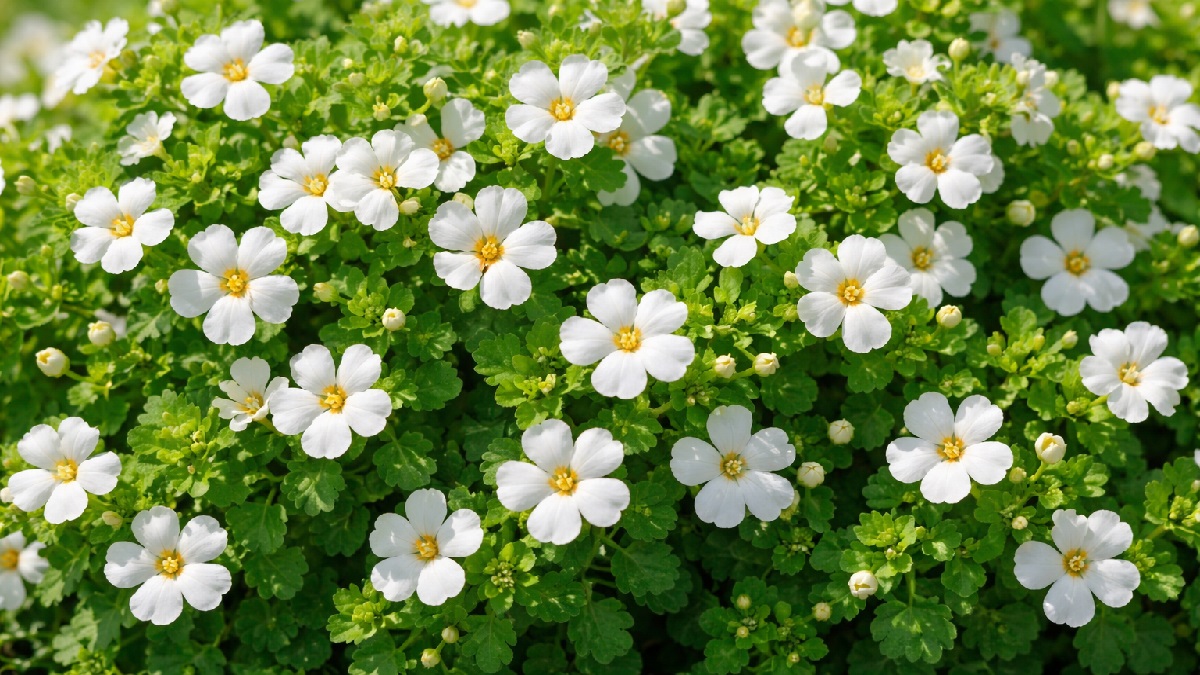
Sutera cordata (commonly called Bacopa) is a charming, trailing flowering plant widely grown for its delicate blooms and cascading habit. It produces an abundance of small, five-petaled flowers in shades of white, pink, or soft lavender, set against fine, bright green foliage. Its compact yet spreading growth makes it especially popular for hanging baskets, window boxes, and container arrangements, where it creates a soft, flowing effect.
This ornamental Bacopa thrives in mild climates and blooms continuously from spring through fall when provided with proper care. It prefers bright light conditions and evenly moist soil, rewarding gardeners with long-lasting color and minimal maintenance. Due to its elegant appearance and ability to complement other plants, Sutera cordata is often used in mixed planters to add texture, fullness, and a graceful trailing touch.
Caring for Sutera cordata is easy if you keep its soil consistently moist and provide plenty of light. This plant grows best in full sun to partial shade, with brighter conditions encouraging more abundant blooms. It prefers well-draining, fertile soil and benefits from regular watering, especially in containers where soil can dry out quickly—avoid letting it completely dry out. Feeding with a balanced liquid fertilizer every 1–2 weeks during the growing season helps maintain continuous flowering and healthy foliage. Light pruning or pinching back stems encourages a fuller, bushier shape and prevents legginess. Although generally low-maintenance, it’s good to watch for pests like aphids or whiteflies and ensure good air circulation to prevent fungal issues, keeping the plant lush and blooming for a long period.
Sutera cordata grows best in full sun to partial shade, ideally receiving about 4–6 hours of direct sunlight each day. Bright light promotes continuous blooming and compact, healthy growth, while too much shade can result in fewer flowers and a leggy appearance. In hotter climates, providing some afternoon shade helps protect the plant from heat stress and keeps the foliage fresh. For indoor or balcony growing, place it in a bright spot with indirect sunlight to maintain its vibrant blooms and trailing habit.
Sutera cordata thrives in well-draining, fertile soil that retains moisture without becoming waterlogged. A light, airy potting mix enriched with organic matter like compost or coco peat works best, as it helps maintain consistent moisture while allowing excess water to drain easily. The plant prefers slightly acidic to neutral soil (pH around 5.5–6.5) and does not tolerate dry or compacted soil conditions. For container growing, using a high-quality potting mix with good drainage ensures healthy root development and continuous blooming.
Sutera cordata requires consistent and regular watering to keep the soil evenly moist, as it does not tolerate drying out. Water the plant whenever the top layer of soil begins to feel slightly dry, ensuring that moisture reaches the roots without causing waterlogging. In hot weather or when grown in containers and hanging baskets, more frequent watering may be needed since the soil dries out faster. Avoid letting the plant sit in soggy soil, as this can lead to root rot, but maintain steady moisture to support continuous blooming and healthy growth.
Sutera cordata prefers mild to warm temperatures, ideally between 15°C and 25°C, where it grows and blooms most actively. It can tolerate slightly higher temperatures, but excessive heat may reduce flowering and cause stress, especially if the soil dries out. In hot climates, providing some afternoon shade helps keep the plant healthy. Bacopa enjoys moderate to high humidity levels, which support lush growth and prevent the foliage from drying out. If grown in dry conditions, occasional misting or placing the plant near a humidity source can help maintain its vitality and continuous blooms.
Sutera cordata benefits from regular feeding to support its continuous blooming and lush growth. Use a balanced liquid fertilizer (such as 10-10-10 or 20-20-20) every 1–2 weeks during the active growing season. This helps replenish nutrients, especially in containers where soil nutrients deplete quickly. You can also use a slow-release fertilizer at the start of the season for steady nourishment. Avoid over-fertilizing, as it may lead to excessive foliage growth with fewer flowers; maintaining a consistent but moderate feeding routine will keep the plant healthy and blooming abundantly.
Sutera cordata benefits from light and regular pruning to maintain a compact, bushy shape and encourage continuous blooming. Trim back long or leggy stems periodically, especially if the plant starts to look sparse or overgrown. Pinching off the tips of young shoots promotes branching, resulting in a fuller appearance. It’s also helpful to remove spent flowers and any dead or damaged growth to keep the plant neat and healthy. Occasional trimming throughout the growing season ensures vigorous growth and a more attractive trailing display.
Sutera cordata is easily propagated through stem cuttings, making it simple to multiply your plants. Take a healthy, non-flowering stem about 7–10 cm long, remove the lower leaves, and place the cutting in water or moist potting mix. Keep it in a warm, bright location with indirect sunlight and maintain consistent moisture. Roots usually develop within 1–2 weeks, after which the cutting can be transplanted into soil. This method is quick and reliable, allowing you to grow new Bacopa plants with minimal effort.
Sutera cordata can be grown from seed, though it requires a bit of patience and careful handling. Start by sowing the tiny seeds on the surface of a moist, well-draining seed-starting mix—do not cover them, as they need light to germinate. Gently press the seeds into the soil and mist lightly to keep them in place. Keep the container in a warm, bright location with indirect sunlight, maintaining a temperature around 18–22°C and consistent moisture (but not soggy conditions).
Germination usually takes about 1–2 weeks. Once the seedlings develop a few true leaves, they can be carefully transplanted into individual pots or containers. Continue to provide bright light, regular watering, and light feeding as they grow. With proper care, seed-grown Bacopa will gradually develop into healthy, trailing plants that produce abundant blooms.
Sutera cordata grows well in containers when provided with proper potting and occasional repotting. Use a well-draining, lightweight potting mix enriched with organic matter like compost or coco peat to retain moisture while preventing waterlogging. Choose a pot with drainage holes to avoid excess water buildup, as Bacopa prefers consistently moist but not soggy soil. Hanging baskets and wide containers work especially well to accommodate its trailing growth habit.
Repotting is usually needed when the plant becomes root-bound or outgrows its container, typically once a year or when you notice roots emerging from drainage holes. When repotting, gently loosen the roots and transfer the plant to a slightly larger pot with fresh soil. Water thoroughly after repotting to help it settle, and keep it in a shaded area for a few days to reduce transplant stress.
Sutera cordata is sensitive to cold and does not tolerate frost, so overwintering is important in cooler climates. Before temperatures drop below about 10°C, bring the plant indoors or move containers to a protected area. Place it in a bright spot with indirect sunlight, such as near a window, and maintain moderate indoor temperatures. Reduce watering slightly during winter, but do not allow the soil to dry out completely.
If growing outdoors in mild climates, you can protect the plant with mulch or by placing it in a sheltered location. Alternatively, take stem cuttings in late autumn and grow them indoors through winter, then replant in spring. With proper care, Bacopa can survive the colder months and resume healthy growth when warmer conditions return.
Sutera cordata blooms best when given the right balance of light, moisture, and nutrients. Ensure the plant receives at least 4–6 hours of sunlight daily, as sufficient light is key to continuous flowering. Keep the soil consistently moist—never let it dry out completely, since drought stress can reduce or stop blooming. Regular feeding with a balanced liquid fertilizer every 1–2 weeks during the growing season helps support abundant flower production.
To encourage more blooms, lightly prune or pinch back leggy stems, which promotes bushier growth and more flowering points. Removing spent flowers (deadheading) can also help the plant focus its energy on producing new blooms. In hot climates, providing some afternoon shade prevents heat stress, ensuring the plant continues to flower profusely over a long period.
Sutera cordata is generally a low-maintenance plant, but it can occasionally face a few pests and problems if conditions are not ideal. Common pests include aphids, whiteflies, and spider mites, which may appear in warm, dry conditions and feed on the plant’s sap, causing yellowing or distorted leaves. These can be controlled with regular inspection, a strong spray of water, or treatment with neem oil or insecticidal soap.
Fungal diseases such as powdery mildew or root rot can occur if the plant is kept too wet or lacks proper air circulation. Overwatering and poorly draining soil are the main causes of root rot, so maintaining well-draining soil and avoiding waterlogged conditions is essential. Yellowing leaves, wilting, or stunted growth are often signs of improper watering, nutrient deficiency, or stress from extreme temperatures.
Other common issues include reduced flowering due to insufficient light, excessive heat, or lack of nutrients. Leggy growth can occur in low-light conditions, while dry soil can quickly cause the plant to decline. With proper care—balanced watering, good airflow, adequate sunlight, and regular feeding—most of these problems can be easily prevented, keeping the plant healthy and blooming.
Related Guides
Bacopa FAQs
How often should I water Bacopa?
Bacopa requires consistent moisture. Water regularly to keep the soil evenly moist but not waterlogged, especially when grown in containers or hanging baskets where soil dries out faster.
Does Bacopa need full sun?
Bacopa grows best in full sun to partial shade. Providing at least 4–6 hours of sunlight daily encourages better flowering and healthy, compact growth.
Why is my Bacopa not blooming?
Lack of sunlight, insufficient nutrients, or dry soil can reduce blooming. Ensure your plant gets enough light, regular feeding, and consistent watering for continuous flowers.
Can Bacopa grow indoors?
Yes, Bacopa can grow indoors if placed in a bright location with indirect sunlight. Make sure to maintain consistent moisture and good airflow for healthy growth.
How do you propagate Bacopa?
Bacopa is easily propagated through stem cuttings. Place cuttings in water or moist soil, and roots usually develop within 1–2 weeks, after which they can be transplanted.