Growing and Caring for Baby Tears plant
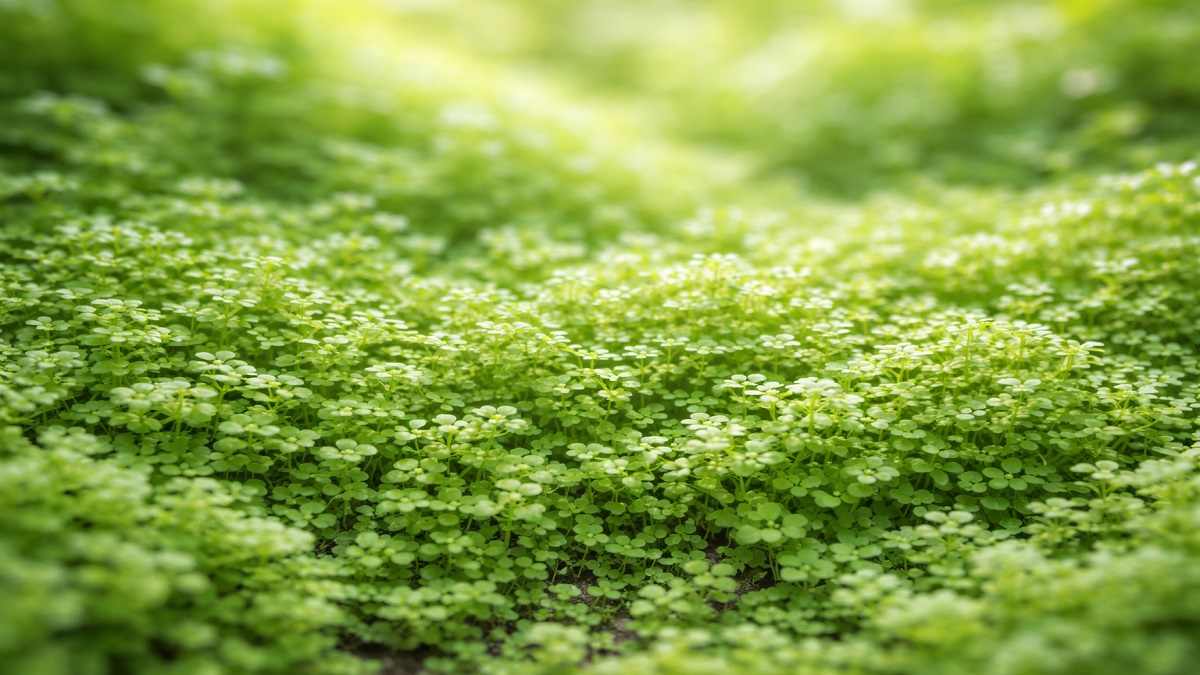
Baby Tears plant (Soleirolia soleirolii) is a delicate, fast-growing ornamental plant known for its dense mat of tiny, round, bright-green leaves that create a soft, carpet-like appearance, making it ideal for terrariums, hanging baskets, and as a ground cover in shaded gardens. Native to the Mediterranean region, it thrives in humid environments with indirect light and consistently moist, well-draining soil, but is sensitive to drought and direct sunlight, which can quickly damage its fragile foliage. Its trailing growth habit allows it to spill gracefully over containers, adding a lush, cascading effect, while regular trimming helps maintain its compact shape and encourages fuller growth.
The Baby Tears plant (Soleirolia soleirolii) thrives in bright, indirect light but can tolerate partial shade, making it perfect for indoor spaces or shaded garden spots. It prefers consistently moist soil, so water regularly to keep the soil slightly damp but not waterlogged, as both drying out and overwatering can harm the delicate roots. High humidity is essential for healthy growth, so misting the plant or placing it near a humidifier helps prevent the tiny leaves from drying out. Use a light, well-draining potting mix rich in organic matter, and maintain temperatures between 15–24°C for best results. Feed with a diluted balanced liquid fertilizer every few weeks during the growing season, and trim regularly to keep its dense, carpet-like shape and encourage bushier growth.
The Baby Tears plant (Soleirolia soleirolii) grows best in bright, indirect light where it receives plenty of gentle illumination without direct sun exposure. It can also tolerate partial shade, making it suitable for north- or east-facing windows indoors or shaded outdoor areas. Avoid harsh direct sunlight, especially in hot climates, as it can scorch the tiny, delicate leaves and cause them to dry out quickly. In low light, the plant may become leggy and lose its dense, compact appearance, so maintaining soft, filtered light is ideal for lush, healthy growth.
The Baby Tears plant (Soleirolia soleirolii) prefers a light, well-draining, and moisture-retentive soil that stays consistently damp without becoming soggy. A mix rich in organic matter works best—combine regular potting soil with peat moss or coco peat and add a little perlite or sand to improve drainage and aeration. The soil should hold enough moisture to keep the roots hydrated while allowing excess water to drain away easily, as waterlogged conditions can lead to root rot. Slightly acidic to neutral soil (pH around 6.0–7.0) is ideal, supporting healthy, lush growth and maintaining the plant’s dense, carpet-like appearance.
The Baby Tears plant (Soleirolia soleirolii) requires consistent and careful watering to keep its delicate foliage healthy and lush. The soil should be kept evenly moist at all times, as this plant is very sensitive to drying out—even a short period of dryness can cause the tiny leaves to wilt and turn brown. Water when the top layer of soil begins to feel slightly dry, but avoid overwatering or letting the pot sit in standing water, as this can lead to root rot. Using well-draining soil and a container with drainage holes helps maintain the right balance. In warmer conditions or dry indoor environments, you may need to water more frequently to maintain the moisture level the plant loves.
The Baby Tears plant (Soleirolia soleirolii) thrives in moderate temperatures and high humidity, making it ideal for indoor environments or shaded, sheltered outdoor areas. It prefers temperatures between 15–24°C and should be protected from extreme heat, cold drafts, and sudden temperature changes, which can stress the plant and damage its delicate leaves. High humidity is essential for maintaining its lush, soft foliage, so regular misting, placing the plant near a humidifier, or keeping it in naturally humid spaces like bathrooms or kitchens can be very beneficial. In dry conditions, the leaves may quickly dry out and turn brown, so maintaining consistent moisture in the air is key to keeping the plant healthy and vibrant.
The Baby Tears plant (Soleirolia soleirolii) benefits from light, regular feeding during its active growing season (spring and summer). Use a balanced, water-soluble liquid fertilizer diluted to half strength every 2–4 weeks to support its dense, lush growth. Avoid over-fertilizing, as this delicate plant is sensitive to excess nutrients, which can lead to salt buildup and damage the fine roots. In autumn and winter, reduce or stop feeding as the plant’s growth naturally slows. Always apply fertilizer to moist soil to prevent root burn and ensure even nutrient absorption.
The Baby Tears plant (Soleirolia soleirolii) benefits from regular light pruning to maintain its compact, dense, and carpet-like appearance. Trim back overgrown or leggy stems using clean scissors to encourage bushier growth and prevent the plant from becoming thin or patchy. You can also pinch off the tips frequently to promote fuller spreading. Remove any yellow, brown, or dried foliage to keep the plant healthy and attractive. Pruning can be done throughout the growing season, and since the plant grows quickly, it recovers fast and becomes even more lush with consistent trimming.
The Baby Tears plant (Soleirolia soleirolii) is very easy to propagate, most commonly through division or stem cuttings. For division, gently remove the plant from its pot and separate a small clump of rooted stems, then replant it in fresh, moist soil—this method is quick and highly successful. For stem cuttings, snip a healthy section and place it directly onto moist soil or in water; the tiny stems will root quickly, often within a couple of weeks. Keep the new plants in warm, humid conditions with indirect light and consistently moist soil to encourage fast establishment and lush growth.
Growing the Baby Tears plant (Soleirolia soleirolii) from seed is possible but less common than propagation by division. To start, sow the tiny seeds on the surface of a moist, fine-textured seed-starting mix without covering them, as they need light to germinate. Gently press the seeds into the soil and mist lightly to avoid displacement. Cover the container with a clear plastic lid or wrap to maintain high humidity, and place it in a warm spot with bright, indirect light. Keep the soil consistently moist (not soggy) and maintain temperatures around 18–24°C. Germination may take a couple of weeks, after which you can gradually remove the cover to acclimate the seedlings. Once they are strong enough, transplant them carefully into small pots, ensuring they continue to receive adequate moisture and humidity for healthy growth.
The Baby Tears plant (Soleirolia soleirolii) prefers shallow containers with good drainage, as its roots are fine and spread close to the soil surface. Use a light, well-draining potting mix that retains moisture, and choose pots with drainage holes to prevent waterlogging. Repot the plant when it becomes overcrowded or starts to dry out quickly—usually once a year or when you notice roots filling the pot. During repotting, you can gently divide the plant into smaller sections and replant them, which helps rejuvenate growth and maintain its dense, lush appearance. Always handle the plant carefully, as its delicate stems and roots can be easily damaged.
The Baby Tears plant (Soleirolia soleirolii) requires gentle care during winter to stay healthy, as it is sensitive to cold and dry conditions. Keep the plant indoors in a warm environment where temperatures remain above 10–12°C, and place it in bright, indirect light to support slower winter growth. Reduce watering slightly compared to the growing season, but never allow the soil to dry out completely—maintain light, consistent moisture. Since indoor heating can lower humidity, increase moisture in the air by misting regularly or using a humidifier. Avoid fertilizing during winter, as the plant’s growth naturally slows, and protect it from cold drafts and sudden temperature changes to prevent leaf damage.
The Baby Tears plant (Soleirolia soleirolii) is primarily grown for its lush foliage rather than its flowers, as its blooms are extremely tiny, rare, and not very noticeable. However, to encourage blooming, provide ideal growing conditions such as bright, indirect light, consistent moisture, high humidity, and stable temperatures between 15–24°C. Use a balanced fertilizer during the growing season to support overall plant health, as healthy plants are more likely to produce occasional flowers. Even under perfect conditions, flowering is minimal and often overlooked, so this plant is best appreciated for its dense, vibrant green carpet of leaves rather than its blooms.
The Baby Tears plant (Soleirolia soleirolii) is generally easy to grow but can face a few common pests and problems, especially if its care conditions are not ideal. It may occasionally attract pests like aphids, spider mites, and whiteflies, particularly in dry environments—these can be controlled by rinsing the plant gently, using insecticidal soap, or increasing humidity. Overwatering or poorly draining soil can lead to root rot, causing yellowing leaves and mushy stems, while underwatering can quickly result in wilting and crispy, brown foliage. Low humidity or excessive direct sunlight may also dry out the delicate leaves. Additionally, poor air circulation can encourage fungal issues such as mold or mildew. Maintaining consistent moisture, good humidity, proper light, and airflow will help prevent most of these problems and keep the plant healthy and lush.
Related Guides
Baby Tears Plant FAQs
How often should I water a Baby Tears plant?
Keep the soil consistently moist. Water when the top layer starts to dry, but never allow the soil to dry out completely.
Does Baby Tears plant need direct sunlight?
No, it prefers bright indirect light. Direct sunlight can scorch its delicate leaves.
Can Baby Tears plant grow in low light?
Yes, it can tolerate low light, but growth may become leggy and less dense.
How do you propagate Baby Tears plant?
It is easily propagated by division or stem cuttings, which root quickly in moist soil.
Why are my Baby Tears leaves turning brown?
Brown leaves are usually caused by low humidity, underwatering, or too much direct sunlight.