Growing and Caring for Baby Rubber Plant
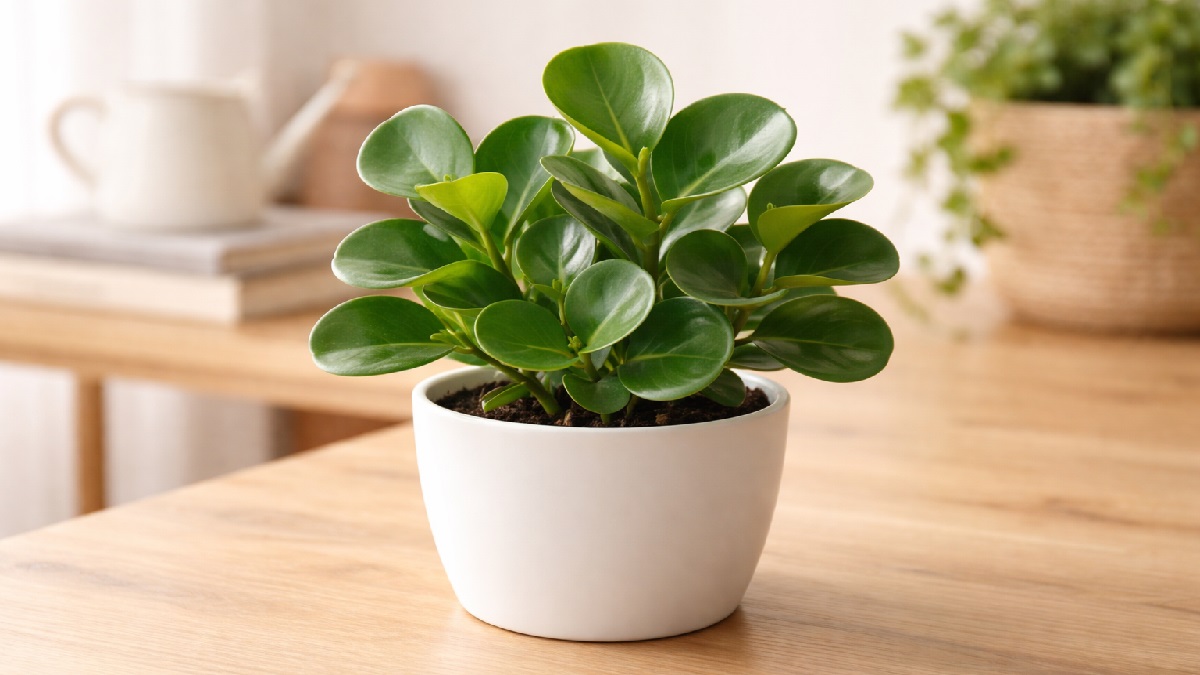
The Baby Rubber Plant is a compact, easy-care houseplant admired for its thick, glossy, oval-shaped leaves that store water, giving them a succulent-like appearance. Typically growing 6–12 inches tall, it has a neat, bushy form that makes it ideal for desks, shelves, and small indoor spaces. The foliage is usually deep green, though some varieties feature attractive cream or yellow variegation. It thrives in bright, indirect light but can tolerate lower light conditions, and it prefers well-draining soil with moderate watering, as overwatering can harm the plant. Occasionally producing small, spike-like flowers, this low-maintenance plant is especially popular among beginners for its durability and modern decorative appeal.
Caring for the Baby Rubber Plant is simple, making it ideal for beginners. It thrives in bright, indirect light, though it can tolerate low light conditions, but avoid direct sunlight as it may scorch the leaves. Water the plant moderately, allowing the top 1–2 inches of soil to dry out between watering, since its thick leaves store moisture and overwatering can lead to root rot. Use a well-draining potting mix (such as one with perlite or sand) and a pot with drainage holes. Keep it in warm indoor temperatures (18–26°C) and away from cold drafts. The plant prefers average indoor humidity, but occasional misting can help in very dry environments. Feed with a balanced liquid fertilizer once a month during the growing season (spring and summer). Prune lightly to maintain its compact shape and remove any yellowing leaves to keep the plant healthy.
The Baby Rubber Plant prefers bright, indirect light for optimal growth, which helps maintain its glossy leaves and compact shape. It can also tolerate low to moderate light, making it suitable for indoor spaces like offices or rooms with filtered sunlight. However, avoid direct sunlight, especially harsh afternoon sun, as it can scorch the leaves and cause discoloration. If the plant receives too little light, its growth may slow and the leaves can lose their vibrant color, particularly in variegated varieties.
The Baby Rubber Plant requires a well-draining, light soil mix to prevent excess moisture and root rot. A good option is a loose potting mix made for houseplants, ideally combined with perlite, sand, or orchid bark to improve aeration and drainage. Since the plant has semi-succulent leaves that store water, it prefers soil that dries out slightly between watering rather than staying constantly wet. A mix similar to a succulent or cactus soil works very well, ensuring the roots remain healthy and oxygenated.
The Baby Rubber Plant prefers moderate watering and should not be kept constantly wet. Allow the top 1–2 inches of soil to dry out before watering again, as its thick, succulent-like leaves store moisture. Water thoroughly until it drains from the bottom, then discard excess water to prevent root rot. Overwatering is the most common problem, so it’s better to underwater slightly than overwater. During cooler months, reduce watering frequency, as the plant’s growth slows and it needs less moisture.
The Baby Rubber Plant thrives in warm indoor temperatures between 18°C and 26°C, making it well-suited for typical home environments. It should be kept away from cold drafts, air conditioners, or sudden temperature drops, as it is sensitive to cold and may suffer below 10–12°C. The plant prefers average to slightly higher humidity, but it adapts well to normal indoor humidity levels. In very dry conditions, occasional misting or placing the plant near a humidifier can help keep the leaves healthy and prevent dryness.
The Baby Rubber Plant benefits from light feeding during its active growing season. Use a balanced liquid fertilizer (such as 10-10-10 or 20-20-20) diluted to half strength, and apply it once a month in spring and summer. Avoid over-fertilizing, as this plant is not a heavy feeder and excess nutrients can damage the roots or cause leggy growth. There’s no need to fertilize in fall and winter, when growth slows down. Always water the plant lightly before feeding to prevent fertilizer burn.
The Baby Rubber Plant requires minimal pruning, but occasional trimming helps maintain its compact, bushy shape. You can prune by cutting back leggy or overgrown stems just above a leaf node, which encourages fuller growth. Remove any yellow, damaged, or dead leaves to keep the plant healthy and improve its appearance. Pruning is best done during the growing season (spring and summer), and you can also use the cuttings for easy propagation.
The Baby Rubber Plant is very easy to propagate, making it perfect for expanding your collection. The most common method is stem cuttings—simply cut a healthy stem with a few leaves just below a node, then place it in water or directly into moist, well-draining soil. Keep the cutting in bright, indirect light and maintain slight moisture; roots usually develop within a few weeks. You can also propagate using leaf cuttings by planting a healthy leaf with a small part of its stem (petiole) into soil. Once roots and new growth appear, the new plant can be treated like a mature one.
Growing the Baby Rubber Plant from seed is possible but uncommon, as it is much slower and less reliable than propagation by cuttings. If you want to try, start by sowing fresh seeds on the surface of a light, well-draining seed-starting mix without burying them deeply, as they need light to germinate. Keep the soil slightly moist (not soggy) and cover the container with a plastic lid or wrap to maintain humidity. Place it in a warm spot with bright, indirect light and a temperature around 20–25°C. Germination can take several weeks, and once seedlings appear, gradually remove the cover and continue to keep the soil lightly moist. When the plants are large enough to handle, transplant them into small pots with well-draining soil and care for them like mature plants.
The Baby Rubber Plant prefers being slightly root-bound, so it doesn’t need frequent repotting. Choose a small pot with drainage holes and use a well-draining, airy soil mix (such as houseplant soil with perlite or bark). Repot only when you notice roots growing out of the drainage holes or the plant outgrowing its container—typically every 2–3 years. When repotting, move it to a pot just one size larger, as too much space can retain excess moisture and lead to root rot. Gently loosen the roots, refresh the soil, and water lightly after repotting to help the plant settle.
The Baby Rubber Plant overwinters easily indoors with minimal care adjustments. Keep the plant in a warm environment above 15°C, away from cold drafts, windowsills, or air conditioners, as it is sensitive to low temperatures. Reduce watering during winter, allowing the soil to dry out more between waterings since growth slows down. Stop fertilizing until spring, and continue providing bright, indirect light to maintain healthy foliage. Normal indoor humidity is usually sufficient, but avoid very dry air from heaters to prevent leaf stress.
The Baby Rubber Plant can produce small, spike-like flowers, though they are not very showy and blooming is relatively rare indoors. To encourage blooming, provide bright, indirect light, as adequate light is the most important factor. Keep the plant in stable warm temperatures (18–26°C) and avoid sudden changes in environment. Feed lightly with a balanced fertilizer during spring and summer, and maintain proper watering—allowing the soil to dry slightly between waterings without letting it become too dry or soggy. Healthy, mature plants are more likely to bloom, so consistent care over time is key.
The Baby Rubber Plant is generally a hardy plant, but it can still face a few common pests and problems if conditions aren’t ideal. It may occasionally attract pests like aphids, mealybugs, spider mites, and fungus gnats, especially in warm, humid environments. These can be controlled by wiping leaves with neem oil or using a mild insecticidal soap.
The most common issue is overwatering, which can lead to root rot, causing yellowing leaves, mushy stems, and a foul smell from the soil. Poor drainage and constantly wet soil increase this risk. Underwatering or very dry air may cause leaf curling or drooping. If the plant receives too much direct sunlight, leaves can develop brown scorch marks, while low light may result in slow growth and dull foliage.
To prevent problems, ensure well-draining soil, moderate watering, good air circulation, and proper light. Regularly inspect the plant for early signs of pests or stress to keep it healthy.
Related Guides
Baby Rubber Plant FAQs
How often should I water a Baby Rubber Plant?
Water when the top 1–2 inches of soil are dry. Avoid overwatering to prevent root rot.
Does Baby Rubber Plant need direct sunlight?
No, it prefers bright indirect light. Direct sunlight can damage the leaves.
Can Baby Rubber Plant grow in low light?
Yes, but growth may slow and foliage may lose its vibrant color.
How do you propagate Baby Rubber Plant?
Use stem or leaf cuttings and place them in water or soil until roots form.
Why are my plant leaves turning yellow?
This is usually caused by overwatering or poor drainage conditions.