Growing and Caring for Azalea (Rhododendron spp.)
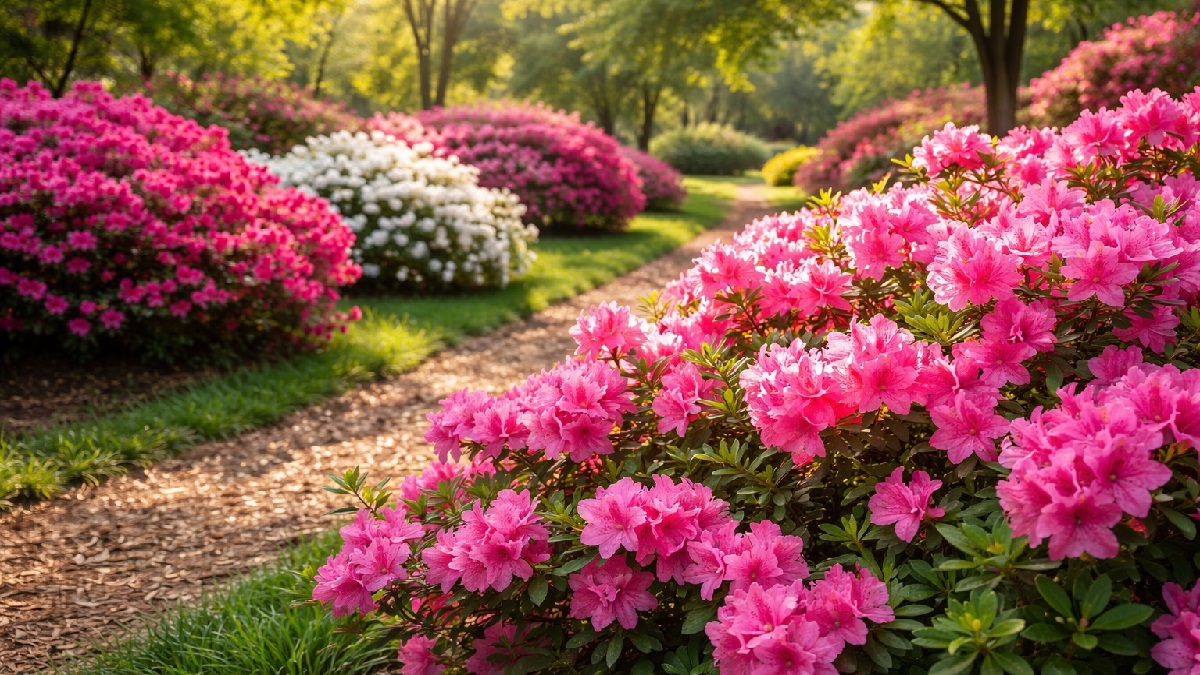
Azaleas are popular ornamental shrubs belonging to the Rhododendron genus and are widely admired for their spectacular spring blooms and lush green foliage. These beautiful flowering plants are grown in gardens around the world because they provide vibrant color and visual interest during the flowering season. Azaleas produce clusters of trumpet-shaped flowers in a wide range of colors, including pink, red, white, purple, orange, and sometimes bi-colored varieties. Their elegant flowers and dense growth make them a favorite choice for garden beds, borders, woodland landscapes, and decorative hedges. Native to regions of Asia, North America, and parts of Europe, azaleas thrive in mild climates where they receive filtered sunlight and well-drained soil. Many gardeners plant them beneath tall trees where they receive dappled shade similar to their natural forest habitat. With the right growing conditions, azalea shrubs can live for many decades and gradually develop into impressive flowering plants that bloom year after year. Their reliability, beauty, and adaptability make them one of the most beloved ornamental shrubs in landscaping and home gardens.
Azaleas may occasionally be affected by common garden pests such as aphids, lace bugs, spider mites, and caterpillars. These insects feed on plant sap or foliage and can cause yellowing leaves, speckled discoloration, or reduced plant vigor. Lace bugs are particularly known for feeding on the underside of azalea leaves, leaving pale or spotted surfaces on the foliage. Regular inspection of the plant can help detect pest problems early before they become severe. In many cases, pests can be controlled by spraying the plant with water, applying insecticidal soap, or encouraging beneficial insects that naturally prey on garden pests. Maintaining healthy plants and proper growing conditions often reduces the likelihood of serious infestations.
Azalea plants can sometimes develop fungal diseases, especially when they are grown in poorly drained soil or overly humid conditions. Root rot is one of the most serious problems and is often caused by excess moisture around the roots. Symptoms may include wilting leaves, slow growth, and gradual decline of the plant. Leaf spot diseases may also occur, producing small brown or black spots on the foliage. These problems can often be prevented by planting azaleas in well-drained soil and ensuring good air circulation around the shrub. Avoiding overwatering and removing infected plant material also helps limit the spread of disease and keeps the plant healthy.
Regular monitoring, proper watering practices, and maintaining healthy soil conditions usually keep azalea plants strong and resistant to pests and diseases. Gardeners who provide balanced care and suitable growing conditions are often rewarded with vibrant foliage and spectacular spring blooms year after year. With thoughtful maintenance and attention to soil health, azaleas can remain a beautiful and reliable feature in gardens for many decades.
Related Guides
Azalea FAQs
Do azaleas prefer sun or shade?
Azaleas grow best in partial shade where they receive gentle morning sunlight and protection from strong afternoon sun. In their natural woodland habitat, these shrubs grow beneath tall trees where the light is filtered through branches. Providing similar conditions in the garden helps maintain healthy foliage and encourages abundant flowering. Too much direct sun can scorch leaves and dry the soil quickly, while deep shade may reduce flower production and cause weak growth.
When do azaleas bloom?
Most azalea varieties bloom in spring, producing clusters of colorful trumpet-shaped flowers that can cover the entire shrub. The blooming period typically occurs between early spring and late spring depending on the climate and specific variety. Some hybrid azaleas may also produce a second lighter bloom later in the season. Proper sunlight, well-drained acidic soil, and good watering practices help ensure healthy plants and vibrant seasonal flowers each year.
What soil is best for azaleas?
Azaleas grow best in well-drained acidic soil rich in organic matter. Ideally, the soil pH should range between about 4.5 and 6.0, which allows the plant to absorb nutrients efficiently. Gardeners often improve soil conditions by mixing compost, peat moss, pine bark, or leaf mold into the planting area. These organic materials help retain moisture, improve drainage, and maintain the slightly acidic conditions that azalea roots prefer for healthy growth.
Can azaleas grow in containers?
Yes, azaleas can grow successfully in containers when planted in a pot with good drainage and filled with acidic potting soil designed for acid-loving plants. Container-grown azaleas should be watered regularly to keep the soil consistently moist but not soggy. Placing the container in a location with morning sunlight and afternoon shade helps prevent heat stress. With proper care, potted azaleas can thrive on patios, balconies, and small garden spaces.
How often should azaleas be watered?
Azaleas require consistent moisture to grow well, especially during warm weather and the active growing season. The soil should remain evenly moist but never waterlogged because overly wet soil can damage the shallow root system. Newly planted azaleas often need more frequent watering until they become established. Applying a layer of mulch around the base of the plant helps retain soil moisture and reduces evaporation during hot or dry conditions.