Growing and Caring for Avocado (Persea americana)
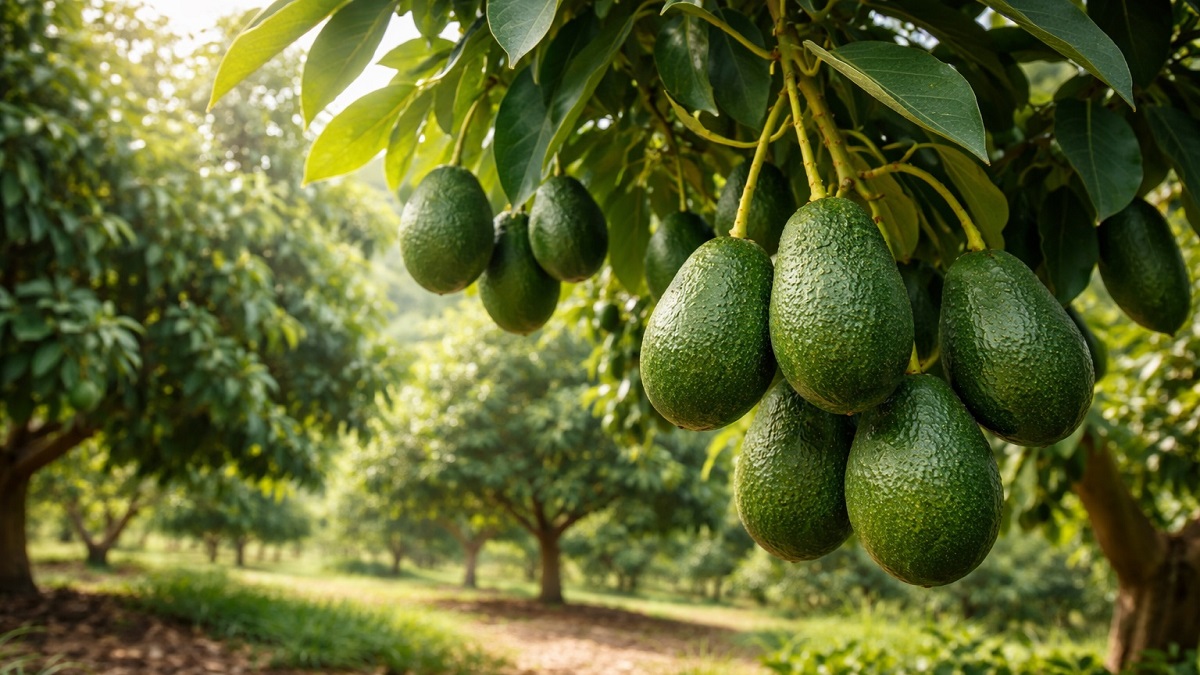
Avocado (Persea americana) is a popular evergreen fruit tree prized for its nutritious and creamy fruits. Native to Central America and Mexico, avocado trees have been cultivated for thousands of years and are now widely grown in tropical and subtropical regions around the world. The fruit is highly valued for its rich flavor and health benefits, containing healthy fats, vitamins, and antioxidants that support heart health and overall nutrition. Avocados are commonly used in salads, sandwiches, spreads such as guacamole, and many other culinary dishes. Avocado trees can grow into large, attractive landscape trees with glossy green leaves and a spreading canopy that provides shade in warm climates. With proper care and favorable conditions, the tree produces small greenish flowers that eventually develop into the well-known pear-shaped fruits. Because of their ornamental appearance and productive nature, avocado trees are commonly grown in home gardens, orchards, and even large containers. By providing adequate sunlight, well-drained soil, and consistent care, gardeners can successfully cultivate healthy avocado trees that produce delicious fruit for many years.
Although avocado trees are generally hardy and productive, they can occasionally be affected by pests, diseases, and environmental stress. Proper care, healthy soil, and regular monitoring can prevent most problems. Early detection is important because many issues can be controlled before they seriously damage the tree or reduce fruit production.
Common Pests
Several insects may feed on avocado leaves, stems, or fruit. Aphids are small sap-sucking insects that cluster on new growth and can cause curling or yellowing leaves. Spider mites may appear during hot, dry weather and create fine webbing on leaves while causing discoloration. Thrips are another pest that can damage flowers and young fruit, sometimes resulting in scarred or distorted avocados. In addition, avocado lace bugs may feed on the underside of leaves, leaving yellow or brown spots on the foliage.
Most pest problems can be managed by encouraging beneficial insects such as ladybugs and lacewings, which naturally control pest populations. Spraying plants with water to remove insects, applying insecticidal soap, or using neem oil treatments can also help reduce infestations without harming the plant.
Common Diseases
Avocado trees are susceptible to several fungal diseases, particularly when soil drainage is poor or humidity is high. One of the most serious problems is root rot caused by the pathogen Phytophthora, which develops in waterlogged soil and damages the tree's root system. Symptoms include wilting leaves, poor growth, and gradual decline of the tree.
Anthracnose is another common fungal disease that affects avocado fruit and leaves, producing dark spots or lesions. It often occurs during humid conditions or rainy seasons. Leaf spot diseases may also appear as small brown or black spots on foliage, sometimes causing premature leaf drop.
Maintaining good air circulation, avoiding overwatering, and planting avocado trees in well-drained soil are the most effective ways to prevent fungal diseases. Removing infected plant material and keeping the area clean also helps limit the spread of pathogens.
Environmental Problems
Avocado trees may also suffer from environmental stress. Frost damage can occur in cooler climates and may cause leaf browning or branch dieback. Excessive heat combined with dry conditions can lead to leaf scorch, where the edges of the leaves turn brown and dry.
Nutrient deficiencies may also affect avocado trees. Yellowing leaves can indicate nitrogen deficiency, while irregular leaf discoloration may signal a lack of magnesium or other essential nutrients. Regular soil improvement with compost and balanced fertilizers usually resolves these issues.
By maintaining proper watering practices, healthy soil conditions, and regular monitoring, most avocado pest and disease problems can be prevented or managed effectively. Healthy trees are far more resistant to pests and environmental stress, allowing them to produce abundant fruit for many years.
Related Guides
Avocado FAQs
Can avocado trees be grown at home?
Yes, avocado trees can be grown in home gardens or large containers if they receive full sunlight and well-drained soil.
How long does it take for an avocado tree to bear fruit?
Seed-grown trees may take 5–10 years, while grafted trees can produce fruit in about 3–4 years.
Do avocado trees need full sun?
Yes, avocado trees require at least six hours of direct sunlight daily for healthy growth and fruit production.
How often should avocado trees be watered?
Young trees need regular watering several times per week, while mature trees require occasional deep watering.
Can avocados grow in containers?
Yes, dwarf varieties of avocado trees can grow in large containers if given enough sunlight and proper care.