Growing and Caring for Autumn Fern (Dryopteris erythrosora)
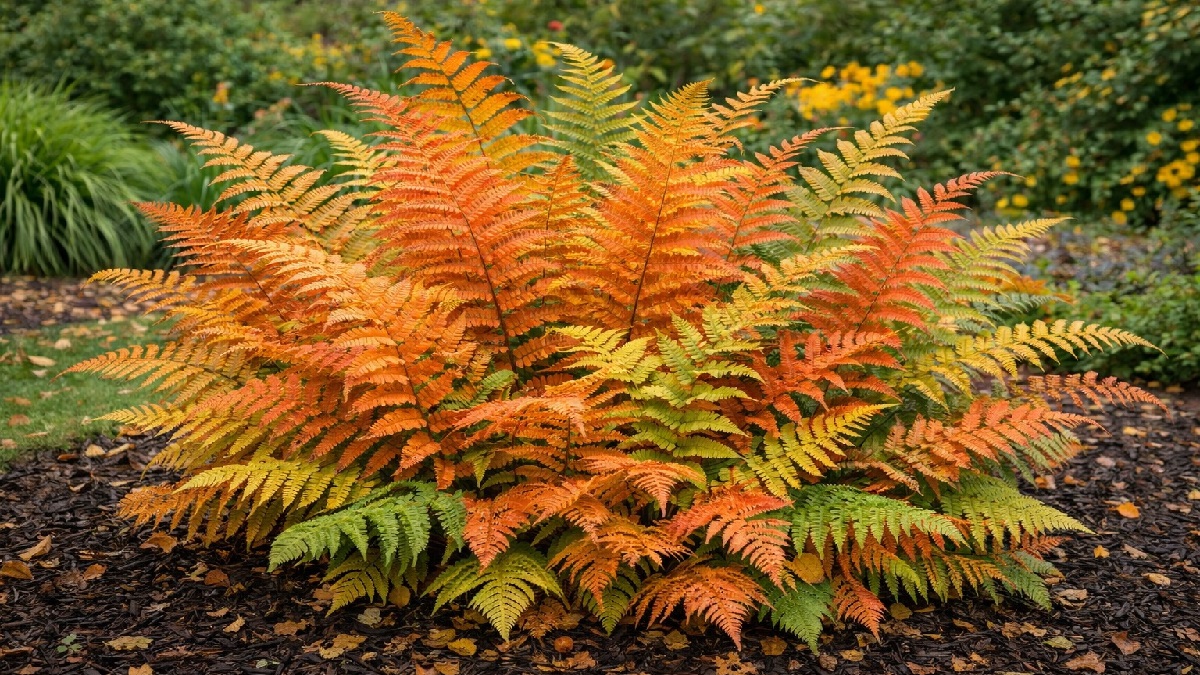
Autumn Fern with copper-colored young fronds in a shaded garden
Autumn Fern thrives in shaded, moist, well-drained soil.

Autumn Fern (Dryopteris erythrosora) is a visually striking evergreen fern prized for its vibrant copper-colored young fronds that gradually mature to rich, glossy green. This slow-growing yet resilient fern forms dense, arching clumps, making it an excellent choice for woodland-style gardens, shaded borders, rockeries, and ornamental containers. Its adaptability to varying light levels—from partial shade to full shade—combined with tolerance to a variety of well-drained, fertile soils, makes it a highly versatile ornamental plant. In addition to its aesthetic appeal, Autumn Fern contributes ecological benefits by providing groundcover that prevents soil erosion, creates microhabitats for small wildlife, and enhances biodiversity in shaded garden areas. Its low-maintenance nature, combined with seasonal color variation, ensures year-round interest in any garden setting.

Care
Autumn Fern is exceptionally low-maintenance once established, but young plants require consistent moisture and protection from extreme conditions. Mulching around the base helps retain soil moisture, suppress weeds, and moderate soil temperature, while removing any dead or damaged fronds encourages new, healthy growth. Periodically check for pests such as slugs, snails, or aphids, particularly in damp, humid conditions, and take preventive action using organic or chemical controls as appropriate. Regular inspection also helps maintain the plant’s ornamental quality, ensuring the vibrant copper fronds and lush green foliage remain visually appealing throughout the growing season.
Light
Autumn Fern thrives in partial to full shade, preferring indirect filtered light that prevents frond scorching. While it tolerates light dappled sun, direct, intense sunlight may damage young fronds and reduce the fern's ornamental copper tones. Positioning in shaded garden corners, under tree canopies, or alongside taller shrubs creates an ideal microclimate that mimics its natural woodland habitat, supporting healthy growth and enhancing the visual texture of garden landscapes.
Soil Requirement
This fern flourishes in rich, well-draining soil high in organic matter, such as loam mixed with leaf mold or compost. Slightly acidic to neutral soil (pH 5.5–7.0) supports optimal nutrient absorption. Incorporating compost, peat moss, or aged leaf litter enhances soil structure, moisture retention, and fertility, while preventing root compaction. Good soil drainage is essential to avoid waterlogged conditions that could lead to root rot or fungal diseases. Periodic soil enrichment in early spring boosts overall plant vigor and frond coloration.
Watering
Autumn Fern requires consistently moist soil to thrive, especially during the initial growing season. Deep watering once or twice a week, adjusting for rainfall and seasonal variations, promotes strong, healthy roots and lush foliage. Avoid overhead watering during hot or humid periods to minimize the risk of fungal infection. Mulching around the root zone helps retain soil moisture, and using a drip irrigation system ensures even hydration without waterlogging.
Temperature & Humidity
Autumn Fern is hardy in USDA Zones 5–9, tolerating cool winters and moderate summer heat. Mulching around the root zone protects the plant from frost and temperature extremes. This fern thrives in moderate to high humidity environments, replicating its native woodland conditions. During dry spells or indoor cultivation, occasional misting or maintaining higher ambient humidity can encourage vibrant frond development and prevent leaf tip browning.
Fertilizer
Fertilize lightly in early spring with a balanced, slow-release fertilizer or enrich the soil with organic compost to provide essential nutrients. Excessive fertilization is unnecessary and may promote weak, overly lush growth prone to damage. Occasional foliar feeding with diluted liquid fertilizer during the growing season can support continued healthy frond production, particularly in nutrient-poor soils.
Pruning
Regularly remove dead, damaged, or yellowing fronds to maintain a neat appearance and stimulate healthy new growth. Pruning can be performed throughout the growing season as needed, particularly after periods of stress or pest damage. Maintaining clean foliage not only enhances visual appeal but also improves air circulation, reducing the risk of fungal infections and encouraging strong clump formation.
Propagation
Autumn Fern can be propagated effectively by division in early spring or autumn. Carefully lift mature clumps, separating healthy root portions and fronds for replanting. Ensure the new planting area has similar soil and shade conditions to prevent transplant shock. Propagated ferns may take several weeks to establish, so consistent watering, mulching, and protection from harsh conditions are essential to ensure successful growth and continued ornamental appeal.

Related Guides

Autumn Fern FAQs

Frequently Asked Questions About Autumn Fern

Is Autumn Fern easy to grow?

Yes, Autumn Fern is hardy and low-maintenance. It adapts well to shaded garden conditions, tolerates varying soil types, and requires minimal care once established, making it ideal for both beginner and experienced gardeners.

How much sunlight does it need?

Autumn Fern prefers partial to full shade. Direct sunlight, especially during hot summer afternoons, can scorch tender young fronds and diminish its coppery tones. Filtered light under trees or shaded garden beds provides the best results for growth and frond coloration.

How often should it be watered?

Maintain consistently moist soil without allowing water to pool around the roots. Deep watering once or twice a week is ideal, adjusted according to rainfall, soil drainage, and seasonal changes. Proper watering ensures strong roots and vibrant foliage.

Can it tolerate cold?

Yes, Autumn Fern is cold-hardy in USDA Zones 5-9. Applying a 2-3 inch layer of mulch around the root zone during winter protects the plant from frost and extreme temperature fluctuations, ensuring healthy growth in early spring.

How tall does it grow?

Autumn Fern typically reaches 1.5-2.5 feet in height and 2-3 feet in width, forming a dense, arching clump that adds ornamental value to shaded gardens, woodland borders, and container plantings.