Growing and Caring for Autograph Tree (Clusia rosea)
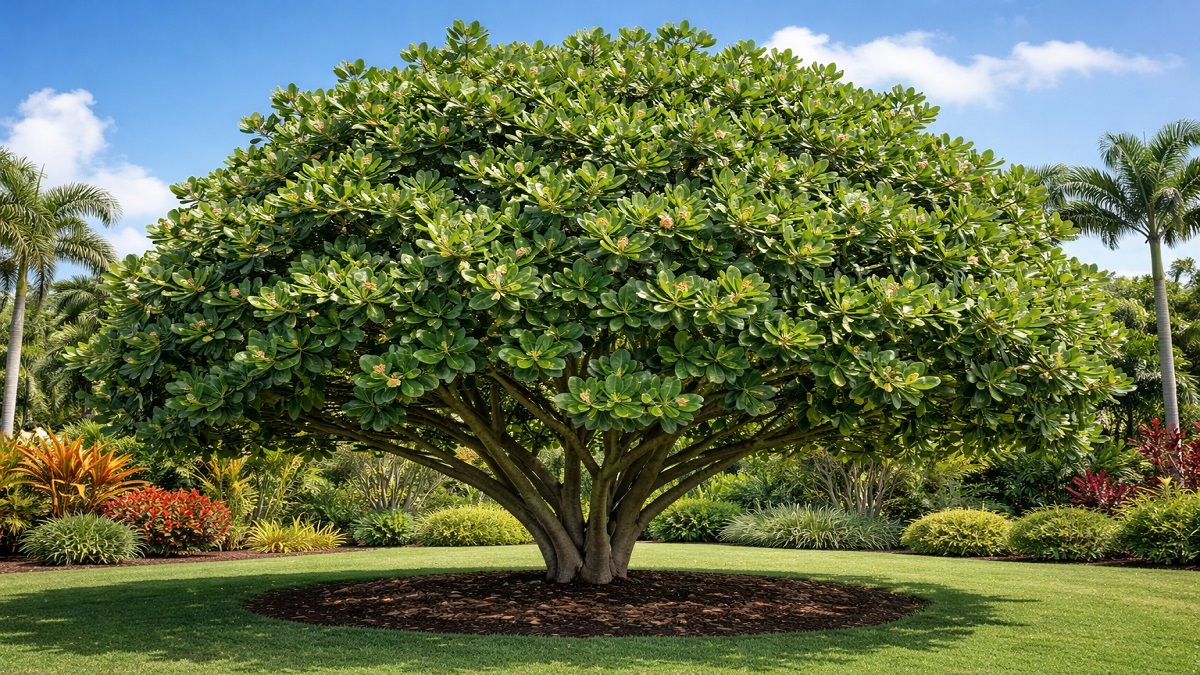
Autograph tree (Clusia rosea) is a tropical evergreen plant widely admired for its thick glossy leaves and distinctive growth habit. Native to the Caribbean, Central America, and parts of northern South America, this attractive plant is often grown as an ornamental tree, hedge, or container plant in warm climates. The name "autograph tree" comes from the unusual ability to scratch words or drawings onto its leathery leaves, which remain visible for a long time. In tropical landscapes, autograph trees can grow into small to medium-sized trees reaching around 20 to 30 feet tall with a broad and dense canopy. Their dark green foliage remains attractive throughout the year, making them a popular choice for hedges, privacy screens, and decorative plantings in coastal or tropical gardens. One of the reasons autograph tree is popular among gardeners is its adaptability. It tolerates salt spray, heat, and relatively poor soil conditions, making it suitable for coastal landscapes and urban gardens. With proper sunlight, occasional pruning, and moderate watering, autograph trees can grow into attractive and long-lasting landscape plants.
Related Guides
Autograph Tree FAQs
Why is it called the autograph tree?
The autograph tree gets its name from its thick leathery leaves that can be scratched with a fingernail or small object to write messages. The marks remain visible on the leaf for a long time.
Can autograph tree grow indoors?
Yes, autograph tree can grow indoors when placed in a bright location with plenty of indirect sunlight. It is often grown as a container plant where pruning can control its size.
Is autograph tree drought tolerant?
Autograph trees can tolerate short dry periods once established, but regular watering helps maintain healthy foliage and steady growth.
Is autograph tree good for hedges?
Yes, autograph tree is commonly used as a hedge or privacy screen in tropical landscapes because it grows densely and responds well to pruning.