Growing and Caring for Austrian Pine (Pinus nigra)
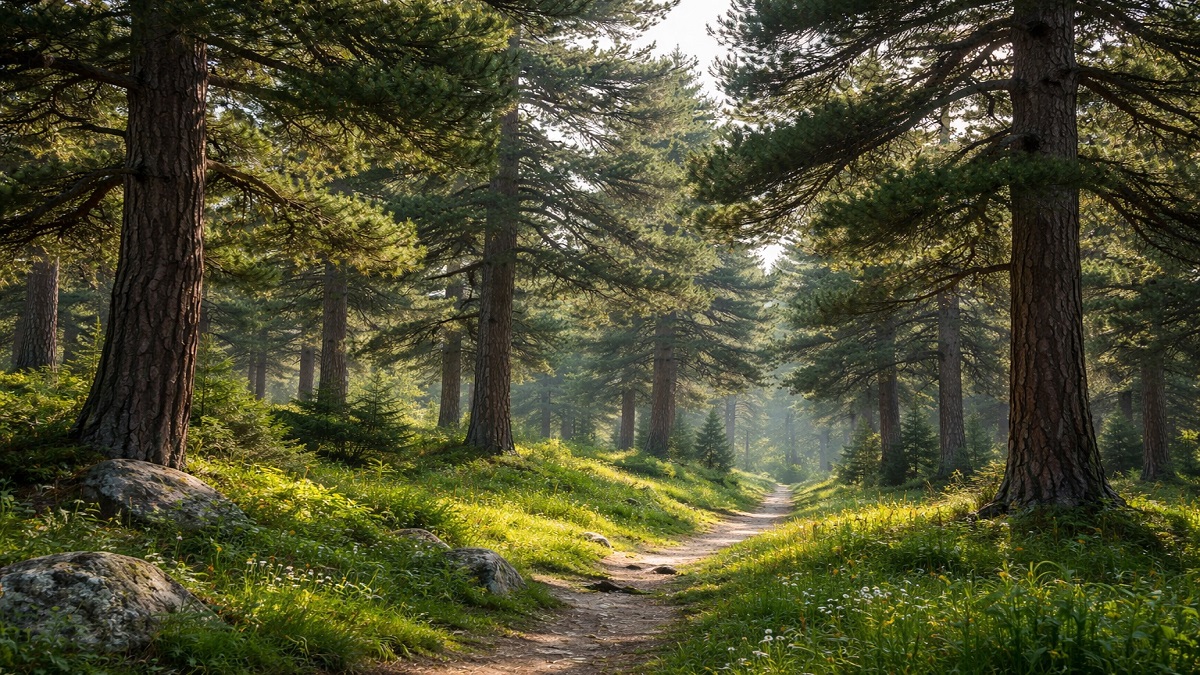
Austrian pine tree with dense dark green needles growing in landscape
Austrian pine is a hardy evergreen widely used in landscaping.

Austrian pine (Pinus nigra) is a large, durable evergreen conifer admired for its dense, dark green needles, rugged bark, and symmetrical pyramidal shape. Native to mountainous regions of Central and Southern Europe, this adaptable tree has become a popular landscape choice across North America and many other temperate regions. Austrian pine is valued for its ability to thrive in difficult growing conditions where many other trees struggle, including poor soils, drought-prone landscapes, and areas exposed to wind or urban pollution. In the landscape, Austrian pine is commonly planted as a windbreak, shade tree, privacy screen, or structural focal point in large gardens and parks. Mature trees typically grow between 40 and 60 feet tall with a spread of 20 to 40 feet, forming a broad, dense canopy that provides year-round greenery and shelter for wildlife. The tree produces long, stiff needles that grow in pairs and give the tree a rich, deep green appearance throughout the year. Because of its resilience and adaptability, Austrian pine is widely used in roadside plantings, public parks, and large residential landscapes. With proper planting location, occasional pruning, and minimal care once established, this long-lived evergreen can remain healthy and attractive for decades, making it an excellent choice for gardeners looking for a low-maintenance yet impressive evergreen tree.

Care
Austrian pine is considered a relatively low-maintenance evergreen tree once it becomes well established in the landscape. When planting, choose a location that receives full sun and provides enough space for the tree to reach its mature size. During the first few years after planting, regular watering is important to help the young tree develop a strong and extensive root system. After establishment, Austrian pine becomes quite resilient and requires minimal attention. Occasional watering during prolonged droughts, light pruning to remove damaged branches, and monitoring for pests or diseases are usually all that is needed. Because of its tolerance to wind, cold temperatures, and difficult soil conditions, this species is often used in areas where other ornamental trees might struggle.
Light
Austrian pine grows best in full sun and should receive at least six to eight hours of direct sunlight each day. Adequate sunlight encourages dense needle growth, strong branches, and a balanced tree structure. Trees planted in sunny locations tend to develop fuller crowns and maintain healthier foliage throughout the year. While young trees may tolerate very light shade for short periods, prolonged shade can cause sparse growth, elongated branches, and reduced vigor. For best results, plant Austrian pine in an open location where it will receive consistent sunlight without being crowded by taller trees or buildings.
Soil Requirement
One of the most attractive features of Austrian pine is its adaptability to a wide range of soil conditions. The tree can grow in sandy soils, rocky ground, clay soils, and even relatively poor or nutrient-deficient locations. However, the soil must drain well, as standing water or constantly wet conditions can lead to root problems. Although Austrian pine tolerates less-than-ideal soil, it performs best in moderately fertile, well-drained soil with slightly acidic to neutral pH levels. Adding organic matter such as compost during planting can improve soil structure and support healthy root development, especially in compacted or heavy soils.
Watering
Watering requirements for Austrian pine vary depending on the age of the tree. Newly planted trees should be watered regularly during their first two growing seasons to help establish strong roots. Deep watering once or twice per week is generally sufficient, depending on rainfall and soil drainage. Once established, Austrian pine becomes relatively drought tolerant and usually requires little supplemental watering. Mature trees can withstand dry periods better than many other pine species. However, providing occasional deep watering during extended droughts can help maintain healthy needle color and overall tree vigor.
Temperature & Humidity
Austrian pine thrives in temperate climates and is particularly well known for its tolerance to cold winters. It performs well in USDA hardiness zones 4 through 7 and can withstand freezing temperatures, heavy snow, and strong winter winds. This makes it a reliable evergreen for colder regions where other species may struggle. The tree also tolerates moderate heat and relatively dry air conditions, especially once mature. However, extremely humid climates may increase the risk of fungal diseases affecting the needles. Proper spacing between trees and good air circulation help reduce the likelihood of moisture-related problems.
Fertilizer
Austrian pine generally does not require frequent fertilization, particularly when planted in reasonably fertile soil. In many landscapes, the tree grows well without additional nutrients once it has become established. However, young trees may benefit from a slow-release, balanced fertilizer applied in early spring. Fertilizing can help support healthy root development and encourage steady growth during the early stages of establishment. Avoid excessive fertilization, as too much nitrogen can lead to overly rapid growth that weakens the tree's natural structure.
Pruning
Pruning Austrian pine is usually minimal and mainly involves removing dead, damaged, or diseased branches. This is best done in late winter or early spring before the tree begins active growth. Occasional thinning can also help improve air circulation through the canopy. If shaping is desired, light pruning can help maintain a balanced and attractive form. However, heavy pruning should be avoided because pine trees do not readily produce new growth from old wood. Regular inspection and minor pruning when necessary will help keep the tree healthy and visually appealing.
Propagating
Austrian pine is most commonly propagated from seeds collected from mature cones. The cones typically ripen in late summer or autumn and release seeds that can be planted to grow new trees. Seed propagation is the preferred method used by nurseries and gardeners because it produces strong, naturally adapted plants. Seeds usually require a cold stratification period to mimic natural winter conditions and improve germination rates. This process helps break seed dormancy and prepares the seeds for successful growth when planted in spring.
How to Grow From Seed
To grow Austrian pine from seed, collect mature cones from healthy trees in autumn and allow them to dry until the seeds are released. The seeds should then be placed in a moist medium and refrigerated for approximately 30 to 60 days to simulate winter conditions. After stratification, plant the seeds in well-drained soil and keep them in a bright, warm location. The soil should remain lightly moist but never waterlogged. Germination usually occurs within a few weeks, and seedlings can be transplanted outdoors once they develop strong roots and several sets of needles.
Potting & Repotting
Young Austrian pine trees can be temporarily grown in containers, particularly when started from seed or purchased as small nursery plants. Containers should have adequate drainage holes and be filled with a well-draining potting mix designed for trees or conifers. Because Austrian pine eventually grows into a large tree, container growth is usually only temporary. As the plant matures, it should be transplanted into the ground where its roots have enough space to expand. Early transplantation helps ensure healthy growth and prevents the tree from becoming root-bound.
Overwintering
Austrian pine is naturally well adapted to cold climates and typically requires little to no winter protection once established. Mature trees can easily tolerate freezing temperatures, snow accumulation, and strong winter winds without damage. For newly planted or young trees, applying a layer of mulch around the base can help insulate the roots and conserve soil moisture during winter. Mulch should be spread evenly but kept a few inches away from the trunk to prevent moisture buildup and potential disease problems.
Pests, Diseases & Other Problems
Although Austrian pine is generally considered a tough and resilient tree, it can occasionally be affected by certain pests and diseases. Insects such as pine sawflies, scale insects, and bark beetles may sometimes feed on the foliage or bark. These problems are usually manageable if detected early. Fungal diseases such as needle blight or tip blight may develop in regions with high humidity or poor air circulation. Maintaining proper spacing between trees, pruning when necessary, and keeping the area around the tree clean can help reduce the risk of disease. Regular inspection allows gardeners to identify issues early and apply appropriate treatment if needed.

Related Guides

Austrian Pine FAQs

Frequently Asked Questions About Austrian Pine

How fast does Austrian pine grow?

Austrian pine grows at a moderate rate, typically adding about 12 to 18 inches of new growth each year under favorable conditions. Growth may be slightly faster when the tree is young and planted in fertile soil with adequate sunlight and water. Over time the growth rate slows as the tree reaches maturity.

Is Austrian pine drought tolerant?

Yes, Austrian pine becomes fairly drought tolerant once its root system is well established. Mature trees can survive extended dry periods better than many other evergreen species. However, young trees should still be watered regularly during their first few growing seasons to ensure healthy establishment.

Where should Austrian pine be planted?

Austrian pine should be planted in a location that receives full sun and has well-drained soil. Because the tree can grow quite large, it should be given plenty of space away from buildings, power lines, and other large plants. It works especially well in open landscapes, parks, windbreak plantings, or large residential gardens.

Is Austrian pine good for landscaping?

Yes, Austrian pine is widely used in landscaping because of its attractive evergreen foliage, strong structure, and adaptability to challenging environments. It is commonly planted as a windbreak, privacy screen, shade tree, or focal point in large gardens and public landscapes. Its year-round greenery also provides visual interest during winter months.