Growing and Caring for Australian Tree Fern (Cyathea cooperi)
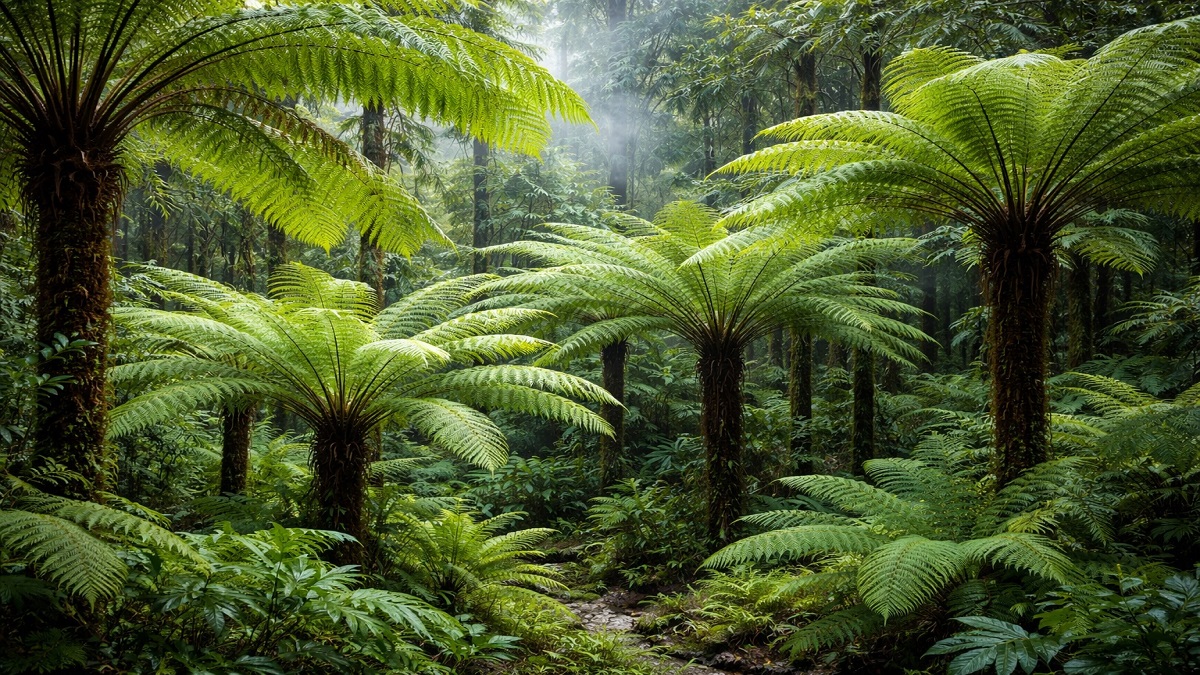
Australian Tree Fern with tall trunk and large green fronds
Australian Tree Fern creates a dramatic tropical look with its tall trunk and large lacy fronds.

The Australian Tree Fern (Cyathea cooperi) is a striking tropical plant admired for its tall trunk and elegant, arching fronds that can stretch several feet in length. Native to the humid rainforests of eastern Australia, this impressive fern creates a lush, jungle-like atmosphere wherever it is planted. Its delicate, feathery foliage unfurls from the crown of a slender trunk and gradually forms a graceful canopy of bright green leaves. Because of its dramatic appearance and relatively fast growth rate, this tree fern is widely used in tropical landscapes, botanical gardens, shaded courtyards, and large ornamental plantings. In its natural habitat, Australian Tree Fern grows in cool, moist forest environments where filtered sunlight passes through the canopy of taller trees. These conditions help the plant develop large, healthy fronds that provide shade and visual interest in the garden. The textured trunk, which forms from old leaf bases, gives the plant a unique tree-like appearance that makes it stand out among other ferns. Landscapers often use this fern to create a tropical focal point or to add height and structure to shaded garden beds. Under ideal growing conditions, Australian Tree Fern can reach heights of up to 40 feet in the ground, although container-grown specimens usually remain much smaller and easier to manage. The plant thrives in areas with consistent moisture, high humidity, and protection from intense afternoon sun. Gardeners often place it near ponds, shaded patios, or beneath taller trees where the environment remains cool and humid. With proper care and the right conditions, this fern becomes a long-lived and impressive centerpiece that enhances the beauty of tropical or subtropical gardens.

Care
Australian Tree Fern thrives in environments that closely resemble its natural rainforest habitat. It prefers consistently moist soil, filtered sunlight, and high humidity throughout the year. Because the plant’s shallow root system can dry out quickly, it benefits greatly from a layer of organic mulch such as bark, compost, or leaf litter placed around the base of the trunk. This mulch helps conserve soil moisture, regulate temperature, and gradually improve soil fertility as it decomposes. Regular watering and occasional feeding during the growing season help the plant produce strong, healthy fronds and maintain steady growth.
Light
Australian Tree Fern grows best in partial shade or areas that receive filtered sunlight throughout the day. In its natural rainforest environment, the plant grows beneath taller trees that protect it from direct sunlight. Too much intense sun can scorch the delicate fronds and cause them to turn brown or dry out. On the other hand, extremely deep shade may slow the plant’s growth and reduce the size of the fronds. A location beneath a canopy of trees, near a shaded wall, or in a garden area that receives gentle morning light usually provides the ideal lighting conditions for this fern.
Soil Requirement
This fern prefers rich, organic soil that retains moisture while still providing good drainage. In nature, it grows in forest soils that contain large amounts of decomposed leaves and organic material. Garden soil can be improved by mixing in compost, leaf mold, peat moss, or well-rotted organic matter before planting. These materials help increase water retention while maintaining proper aeration for the roots. Although Australian Tree Fern enjoys consistently moist soil, it does not tolerate waterlogged conditions for long periods, so good drainage is essential to prevent root rot and other moisture-related problems.
Watering
Consistent watering is one of the most important aspects of caring for Australian Tree Fern. The soil should remain evenly moist at all times, especially during warm or dry weather when the plant may lose moisture quickly through its large fronds. During hot summer months, the plant may require frequent watering to maintain adequate moisture levels. Gardeners often water both the soil and the trunk because the fibrous trunk absorbs moisture and helps keep the plant hydrated. In very dry climates, misting the fronds or increasing humidity around the plant can also help maintain healthy growth.
Temperature & Humidity
Australian Tree Fern thrives in warm temperatures and high humidity similar to those found in tropical and subtropical regions. It performs best in USDA hardiness zones 9 to 11 where temperatures rarely drop below freezing. Ideal temperatures generally range between 60°F and 80°F (15°C to 27°C). Cold weather or frost can damage the delicate fronds and may even harm the trunk if exposure is prolonged. In cooler climates, gardeners often grow this fern in large containers so it can be moved indoors or into a protected greenhouse during winter. Maintaining humidity around the plant is also important, especially in dry environments.
Fertilizer
Regular feeding during the growing season helps Australian Tree Fern produce lush foliage and maintain steady growth. A balanced liquid fertilizer diluted to half strength can be applied every few weeks in spring and summer. Alternatively, gardeners may use a slow-release fertilizer or apply organic compost around the base of the plant to provide nutrients gradually. Organic matter not only nourishes the plant but also improves soil structure and moisture retention. Over-fertilizing should be avoided, as excessive nutrients can damage delicate roots or cause weak, overly soft growth.
Pruning
Pruning is generally minimal for Australian Tree Fern, but removing old, damaged, or dying fronds helps keep the plant healthy and attractive. As new fronds emerge from the crown, older fronds naturally age and may turn yellow or brown over time. These can be carefully trimmed away using clean pruning tools. Removing dead foliage improves air circulation around the plant and reduces the chance of pests or fungal diseases developing. Regular maintenance pruning also helps the fern maintain its neat, elegant appearance in garden landscapes.
Propagating
Australian Tree Fern is usually propagated from spores rather than cuttings, which makes the process slower and more specialized compared to many other plants. Mature fronds produce tiny spores on their undersides that can be collected once they ripen. These spores are then sown on the surface of a sterile, moist growing medium and kept in warm, humid conditions until they begin to germinate. Because the early stages of fern growth are delicate and slow, propagation requires patience and careful attention to moisture and temperature levels. For most gardeners, purchasing young nursery plants is often the easiest way to grow this fern.
Potting & Repotting
When grown in containers, Australian Tree Fern requires a large pot with excellent drainage to accommodate its expanding root system. A rich potting mix containing compost, peat moss, and organic matter works best because it retains moisture while remaining well aerated. Container plants tend to dry out faster than those planted in the ground, so they may require more frequent watering, particularly during warm weather. Repotting every few years helps refresh the soil and provides additional space for root growth. Choosing a heavy or sturdy container can also help support the tall trunk as the plant matures.
Pests, Diseases & Other Problems
Although Australian Tree Fern is generally hardy when grown in suitable conditions, it may occasionally experience pest or disease problems. Common pests include scale insects, spider mites, and mealybugs, which may feed on the fronds and weaken the plant. These pests can often be controlled with insecticidal soap or by regularly rinsing the foliage with water. Poor drainage or excessive moisture around the roots can lead to root rot, which is one of the most serious problems affecting tree ferns. Ensuring proper soil drainage, maintaining good airflow, and avoiding overwatering can prevent most health issues.

Related Guides

Australian Tree Fern FAQs

Frequently Asked Questions About Australian Tree Fern

How fast does Australian Tree Fern grow?

Australian Tree Fern is considered a relatively fast-growing fern when provided with the right conditions. In warm climates with consistent moisture, filtered sunlight, and nutrient-rich soil, the plant can grow several feet each year. Young plants often establish quickly and begin producing larger fronds as the trunk develops. Regular watering, proper soil conditions, and adequate humidity all contribute to faster and healthier growth.

Can Australian Tree Fern grow indoors?

Yes, Australian Tree Fern can be grown indoors, especially in large containers placed in bright spaces with indirect light. Because this plant naturally thrives in humid environments, indoor gardeners should ensure adequate humidity through misting, humidifiers, or placing the plant near other moisture-loving plants. Consistent watering and well-draining soil are also important to maintain healthy fronds indoors.

Does Australian Tree Fern tolerate frost?

Australian Tree Fern is sensitive to frost and prolonged cold temperatures. Even light frost can damage the fronds, causing them to turn brown or wilt. In regions where winters become cold, gardeners often protect the plant with mulch, frost cloth, or by moving container plants indoors. Keeping the crown and trunk insulated during cold weather can help prevent permanent damage.

Why are my fern fronds turning brown?

Brown fronds on Australian Tree Fern are usually caused by environmental stress such as dry air, underwatering, or exposure to strong sunlight. Low humidity can cause the delicate foliage to dry out, while insufficient watering may lead to dehydration of the plant. To prevent browning, ensure the soil remains consistently moist, provide partial shade, and increase humidity around the plant whenever possible.