Growing and Caring for Aubrieta (Aubrieta deltoidea)
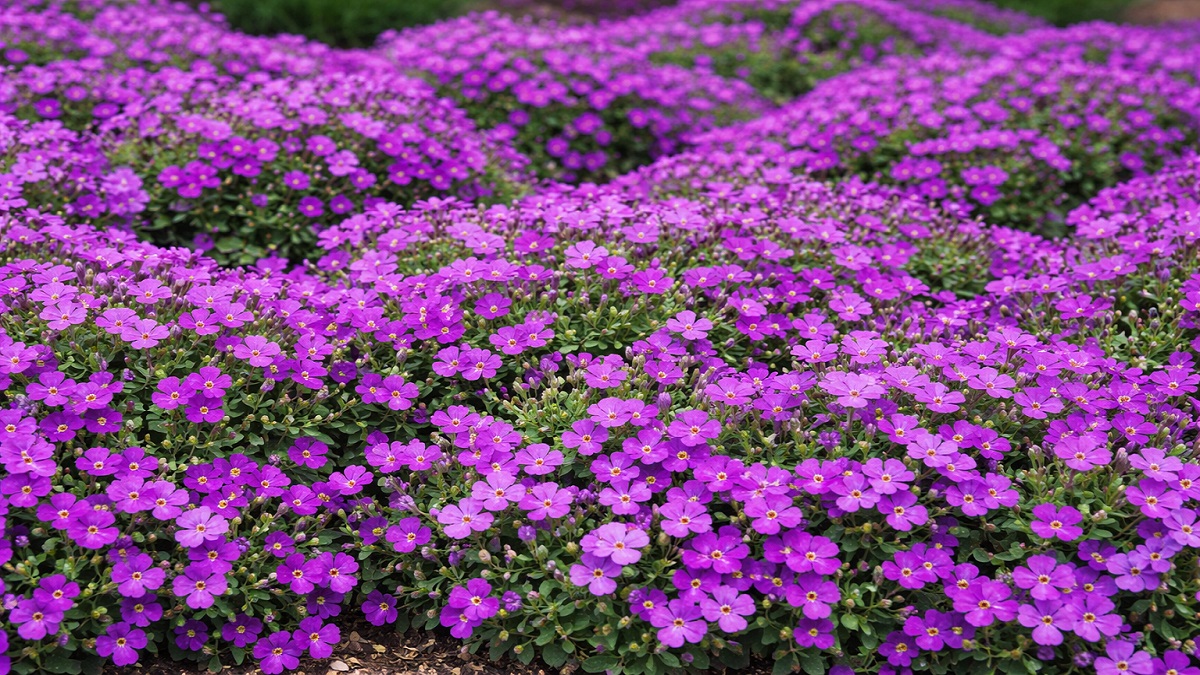
Aubrieta (Aubrieta deltoidea) plant with purple flowers cascading over rocks
Aubrieta thrives in sunny, well-drained locations and blooms in spring.

Aubrieta (Aubrieta deltoidea) is a hardy, low-growing perennial, renowned for its vibrant spring flowers in shades of purple, blue, and pink. Often referred to as false rock cress, this beautiful groundcover forms a dense mat of bright green, slightly toothed foliage that cascades elegantly over walls, rockeries, garden borders, and pathways. Native to Europe and the Mediterranean region, Aubrieta thrives in temperate climates and is remarkably tolerant of drought once established. Its spreading habit makes it ideal for stabilizing soil on slopes and adding colorful interest to rock gardens and container plantings. The dense clusters of tiny four-petaled flowers not only create a visually stunning display but also attract pollinators like bees and butterflies, enhancing biodiversity in your garden. With its low maintenance requirements, Aubrieta is perfect for gardeners seeking early-season color that will reliably return year after year. By planting in a sunny location with well-draining soil, gardeners can enjoy weeks of continuous bloom and a tidy, cascading effect that complements other spring-flowering perennials.

Care
Aubrieta is exceptionally easy to care for once established, making it ideal for beginner and experienced gardeners alike. Plant it in a location that receives full sun to partial shade and ensure the soil is well-drained to prevent root rot. While it prefers moderately fertile soil, it tolerates poorer soils, especially in rocky or sandy areas. Regular deadheading of spent flowers encourages prolonged blooming, while light pruning helps maintain a neat, compact growth habit. This resilient perennial also benefits from occasional mulch to retain soil moisture during hot, dry periods, though it generally requires minimal attention to thrive.
Light
Aubrieta flourishes in full sunlight, ideally receiving six to eight hours of direct sun each day. While it can tolerate partial shade, especially in hotter climates where afternoon shade protects it from scorching, the plant flowers most profusely in bright, sunlit areas. Positioning Aubrieta in full sun also encourages denser foliage and vibrant flower color. For gardeners with only partial sun, ensure the location is protected from harsh winds to prevent desiccation and stress.
Soil Requirement
Aubrieta thrives in well-draining, moderately fertile soil, and is particularly suited to sandy, rocky, or slightly alkaline soils that mimic its native Mediterranean habitats. Avoid heavy clay or waterlogged soils, which can cause root rot or stunted growth. Incorporating a small amount of compost or grit into the planting area helps improve soil structure and fertility, ensuring the plant can establish quickly. This adaptability makes Aubrieta ideal for planting in rock gardens, garden walls, borders, or even raised beds and containers.
Watering
Aubrieta requires moderate watering, particularly during its first growing season to establish a strong root system. Keep the soil evenly moist but not waterlogged, and reduce watering once the plant is established, as it is drought-tolerant. During periods of extended heat or dry spells, supplement watering to prevent wilting and maintain optimal flowering. Container-grown Aubrieta may need more frequent watering, while in-ground plants often thrive with minimal intervention once settled.
Temperature & Humidity
Aubrieta is hardy in USDA zones 4-9 and can tolerate light frost, making it suitable for many temperate regions. The plant performs best in low to moderate humidity and avoids prolonged wet or humid conditions that can encourage fungal disease. While the foliage is evergreen in milder climates, young plants may need protection from harsh winter winds or heavy frost. Established plants are resilient and often recover quickly from cold snaps, continuing to bloom year after year.
Fertilizer
Fertilization is not strictly necessary for Aubrieta, but applying a balanced, slow-release fertilizer in early spring encourages lush foliage and abundant blooms. Avoid excessive nitrogen, which can produce dense foliage at the expense of flowers. Container plants benefit from a liquid feed every four to six weeks during the growing season. Applying a light mulch of compost around the base of the plant can also supply nutrients naturally and improve soil moisture retention.
Pruning
Regular pruning of Aubrieta after flowering maintains a tidy, low-growing shape and promotes vigorous new growth. Cutting back the plant by one-third helps prevent legginess and encourages denser flowering the following season. Remove any dead, damaged, or woody stems to maintain healthy growth, and for larger plantings, shearing can be a faster alternative to individually trimming stems. Light pruning also prevents the plant from encroaching into adjacent plants or pathways.
Propagating
Aubrieta is easily propagated through seeds, semi-ripe cuttings, or division. Seeds can be sown indoors 6-8 weeks before the last frost or directly in well-draining soil in spring. Lightly press seeds into the soil surface as they require light to germinate, and keep them consistently moist. Semi-ripe cuttings taken in summer root readily in a sandy mix, while mature plants can be divided every few years after flowering to rejuvenate growth and increase coverage. Propagation is straightforward, allowing gardeners to expand their plantings or share with friends easily.
Potting & Repotting
Aubrieta performs exceptionally well in containers and rockery pots. Use high-quality potting soil mixed with grit or sand to ensure proper drainage. Choose pots with drainage holes to prevent waterlogging, which can lead to root rot. When repotting, refresh the soil, gently loosen the root ball, and backfill around it, leaving a small space between the soil surface and the rim. Container plantings allow flexibility for creating cascading displays on terraces, balconies, or along garden edges.
How to Grow From Seed
Growing Aubrieta from seed is straightforward and rewarding. Begin by sowing seeds indoors 6-8 weeks before the last expected frost or directly outdoors in early spring. Sprinkle seeds on the surface of well-draining soil and lightly press them into the soil, as they require light to germinate. Maintain consistent moisture using a fine mist to avoid washing seeds away. Germination usually occurs within 14-21 days. Once seedlings are strong enough to handle, transplant them carefully to your garden, spacing plants 6-12 inches apart to allow spreading. Regularly monitor for pests, and provide full sun for optimal flowering. For continuous blooms, deadhead spent flowers and lightly prune older stems to encourage new growth.
Overwintering
Aubrieta is hardy in temperate climates but benefits from protective measures in colder regions. In USDA zones 4-5, apply a thick layer of mulch around the base of in-ground plants to insulate roots during winter. Container plants should be moved to a sheltered location, such as an unheated greenhouse, porch, or frost-free garage. Avoid overwatering during winter, as the plant is semi-dormant and excess moisture can cause root rot. In early spring, remove dead foliage, refresh the mulch, and resume regular care. Aubrieta naturally recovers from frost and will bloom vigorously once temperatures rise. Its evergreen foliage in mild climates can provide year-round color even when flowers are absent.
Pests, Diseases & Other Problems
Aubrieta is generally pest-resistant, though it can occasionally be affected by aphids, slugs, or snails. Overwatering or poorly drained soil may cause root rot, which is the most common issue. To prevent problems, ensure proper drainage, remove dead or diseased foliage promptly, and maintain good airflow around the plant. Observing plants regularly helps detect early signs of infestation, and organic treatments like neem oil or slug traps can keep pests under control without harming beneficial insects.

Related Guides

Aubrieta FAQs

Frequently Asked Questions About Aubrieta

Is Aubrieta easy to grow?

Yes, Aubrieta is very easy to grow and perfect for beginner gardeners. It adapts well to a variety of soil types, thrives in full sun, and requires minimal maintenance once established. With occasional pruning and regular watering in the first season, it forms a dense, flowering groundcover year after year.

How long does Aubrieta bloom?

Aubrieta blooms in early to mid-spring, typically for 4-6 weeks. In mild climates, flowering can extend from late March through May. Deadheading spent flowers encourages a longer blooming period and keeps the plant looking fresh and vibrant.

Does Aubrieta tolerate drought?

Yes, Aubrieta is drought-tolerant once established. While young plants need consistent moisture to develop strong roots, mature plants thrive with minimal watering. However, prolonged dry spells may reduce flowering, so supplemental watering during extended hot periods can improve performance.

Can Aubrieta grow in containers?

Absolutely. Aubrieta grows beautifully in containers, rockery pots, and hanging baskets. Ensure the container has good drainage and use a gritty, well-draining potting mix. Container plantings allow cascading growth, perfect for terraces, balconies, and edges.

How should I prune Aubrieta?

Pruning after flowering helps maintain a neat, compact form and encourages dense new growth. Cut back old or woody stems by one-third and remove dead or damaged foliage. Light shearing is recommended for larger plantings to keep a uniform appearance.

What pests or diseases affect Aubrieta?

Aubrieta is generally pest- and disease-resistant. Occasionally, aphids, slugs, or snails may appear. Overwatering or poorly drained soil can cause root rot. Maintain proper soil drainage, remove dead or diseased foliage promptly, and use organic controls like neem oil or slug traps when necessary.

Can Aubrieta survive frost?

Yes, Aubrieta tolerates light frost, especially in established plants. In colder regions, apply mulch or move containers to sheltered locations during winter. The plant generally recovers quickly in spring, producing vibrant foliage and flowers.