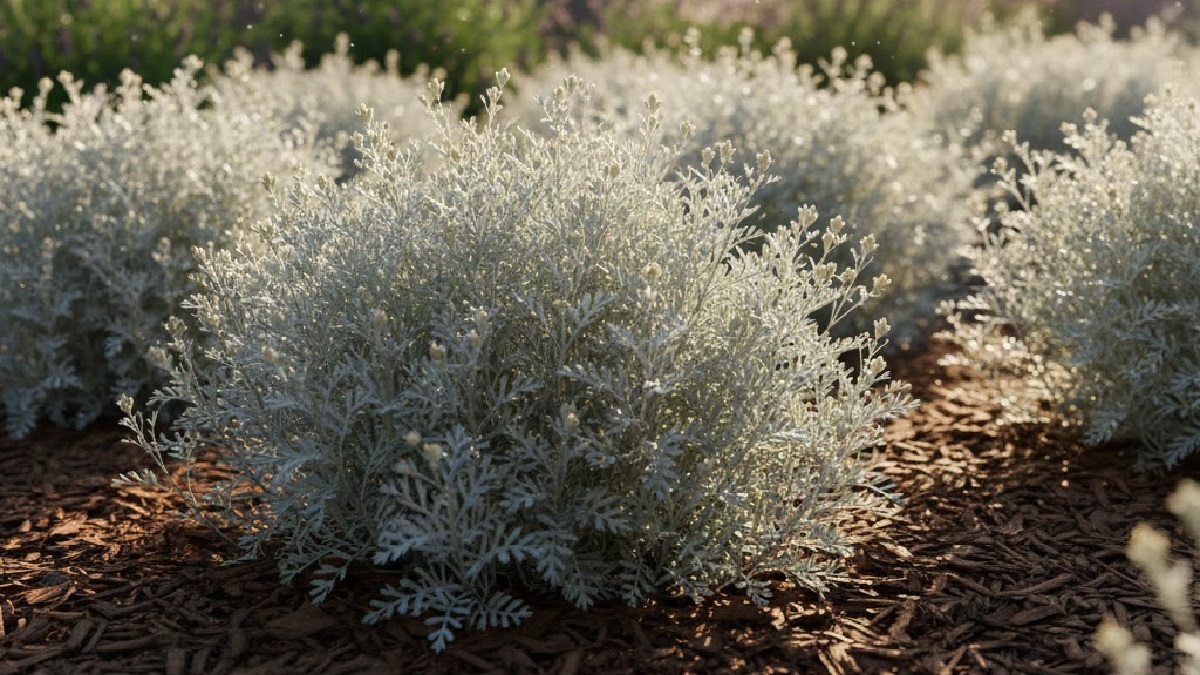
Artemisia is a low-maintenance, drought-tolerant plant that thrives in full sun and well-drained soil. Water sparingly, as overwatering can cause root rot. Prune lightly in spring to maintain shape and remove any dead or damaged foliage. Fertilization is generally not necessary, but a light application of balanced fertilizer in early spring can encourage healthy growth. Hardy and pest-resistant, Artemisia adds striking silver-gray foliage and texture to garden beds, borders, and rock gardens with minimal effort.
Artemisia thrives in full sun, which promotes compact growth, vibrant foliage color, and optimal flowering for some varieties. While it can tolerate light shade, too little sunlight may cause leggy growth and dull-colored leaves.
Artemisia prefers well-drained soil and tolerates sandy, loamy, or rocky conditions. Poorly drained or heavy clay soils can lead to root rot, so good drainage is essential for healthy growth.
Artemisia is drought-tolerant and prefers minimal watering once established. Water sparingly, allowing the soil to dry out between waterings, as overwatering can lead to root rot and weakened growth.
Artemisia thrives in temperate to warm climates and is hardy in USDA Zones 3-10. It prefers low to moderate humidity and well-ventilated locations, as high humidity can promote fungal diseases.
Artemisia is a low-maintenance plant that generally requires little to no fertilization. If desired, apply a light dose of balanced fertilizer in early spring to encourage healthy growth, but avoid over-fertilizing, which can reduce its silvery foliage quality.
Artemisia benefits from light pruning in early spring to maintain shape, remove dead or damaged growth, and encourage dense, compact foliage. Avoid heavy pruning into old wood, as it may not regrow.
Artemisia can be propagated through stem cuttings taken in late spring or early summer. Cut healthy stems, remove lower leaves, and root them in moist, well-draining soil until established.
Artemisia can be grown from seed, though germination may be slow. Sow seeds in well-draining soil, keep them lightly moist, and place in a warm, bright location. Seedlings can take several weeks to emerge and should be thinned or transplanted once strong enough.
Artemisia can be grown in containers using a well-draining, sandy or loamy potting mix. Repot every 1-2 years or when roots become crowded, trimming any damaged roots and refreshing the soil to support healthy growth.
Artemisia is cold-hardy in most varieties but benefits from protection in harsh winters. Mulch around the base to insulate roots, and for container-grown plants, move them to a sheltered, frost-free location.
Artemisia is primarily grown for its attractive foliage rather than flowers, but to encourage flowering, provide full sun, well-drained soil, and minimal fertilization. Proper pruning in early spring also promotes healthy growth and can enhance flowering.
Artemisia is generally pest- and disease-resistant, making it a low-maintenance plant. Occasional issues may include root rot from overwatering or powdery mildew in high-humidity conditions. Proper spacing, well-drained soil, and moderate watering help prevent most problems.