Growing and Caring for Amaranth
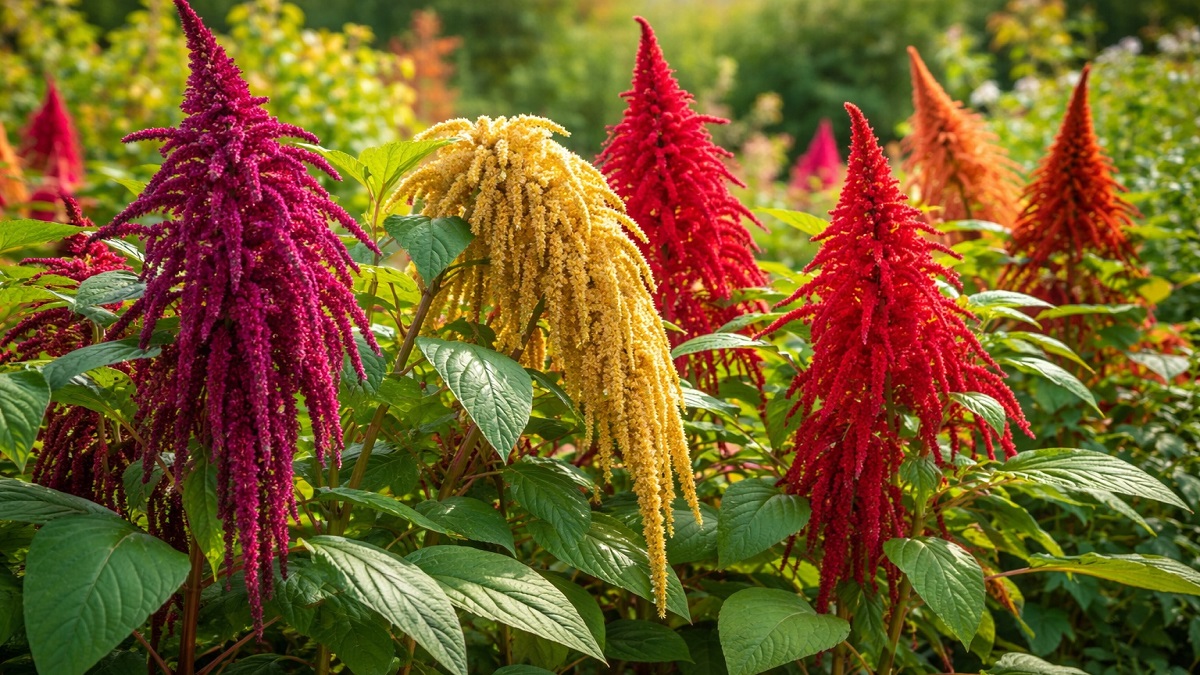
Amaranthus is a short-lived, frost-sensitive plant valued for both its ornamental beauty and edible qualities. Popular in summer bedding, it produces dramatic, showy tassel-like flowers in crimson, purple, or green, or features brightly colored foliage. Among its many varieties, the flowering type 'Love Lies Bleeding' is well-known, while edible forms are called amaranth, Caribbean spinach, Inca wheat, Chinese amaranth, callaloo, tampala, or Chinese spinach. Both the leaves and seeds are highly nutritious: the leaves are rich in vitamin C and iron with a spinach-like taste, and the gluten-free seeds are high in protein and calcium with a nutty flavor.
Related Guides
Amaranth FAQs
Is amaranth easy to grow?
Yes, amaranth is easy to grow and suitable for beginners. It tolerates heat and drought well and thrives in full sun with minimal care.
Can amaranth be grown in pots?
Yes, amaranth can be grown in large containers with good drainage. Choose a pot at least 10 gallons in size to accommodate its root system.
How often should amaranth be watered?
Water amaranth moderately, about once a week. Avoid overwatering, as soggy soil can lead to root rot and fungal problems.
Does amaranth come back every year?
No, amaranth is an annual plant and completes its life cycle in one growing season. However, it may self-seed in warm climates.
Is amaranth edible?
Yes, both the leaves and seeds of amaranth are edible. The leaves are rich in vitamins and minerals, while the seeds are gluten-free and high in protein.