Growing and Caring for Aluminum Plant
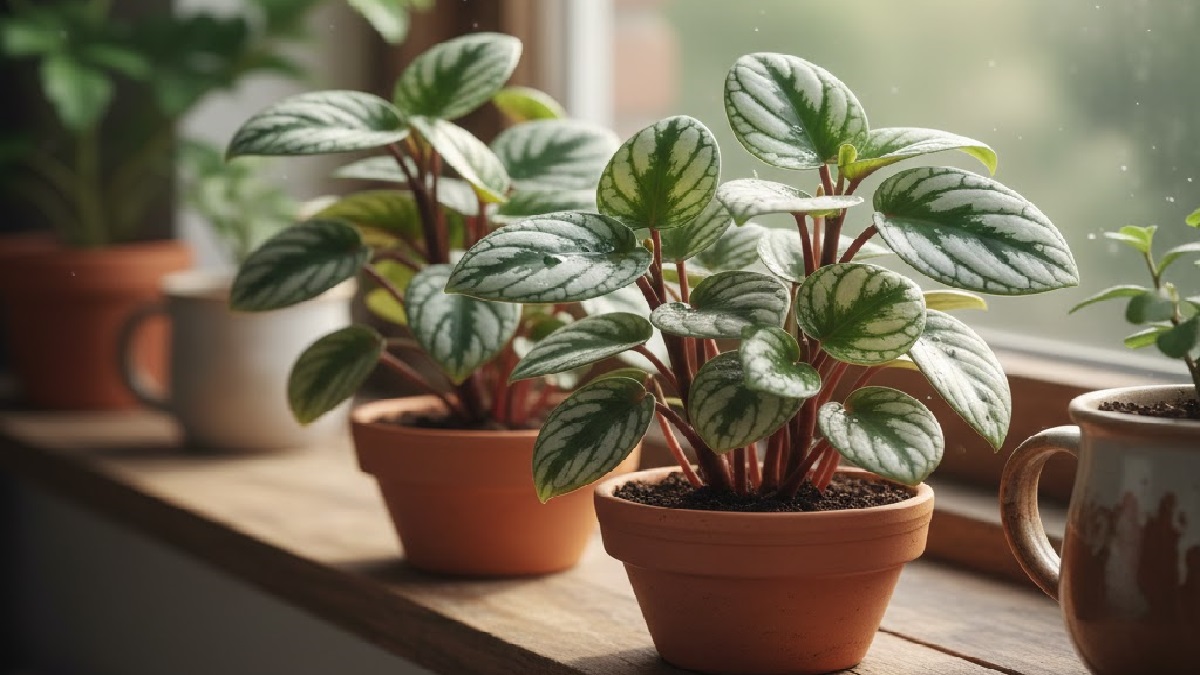
Healthy Aluminum plant (Pilea cadierei) with silver-patterned leaves indoors
Aluminum prefers moist, yet well-drained soil.

Pilea cadierei, also called Aluminum Plant or Watermelon Pilea, is a popular houseplant prized for its distinctive foliage and low-maintenance care. It features oval green leaves adorned with bright silver markings that resemble aluminum, creating a striking contrast against the dark green background. This unique patterning makes it a visually appealing choice for indoor plant enthusiasts.

Care
Pilea 'Aluminum' should be repotted annually in spring. Check for roots growing out of the drainage holes, and move the plant to a pot one to two sizes larger to allow room for summer growth. Use a soil-based potting mix with added perlite for proper drainage, and choose a container with drainage holes to keep roots well-aerated. The plant can be easily propagated by taking stem cuttings during the growing season.
Light
Aluminum plants thrive in bright, indirect light for at least four hours daily. Low-light conditions can cause leggy growth and slow-drying soil, increasing the risk of root rot. A south- or southwest-facing window is ideal, and using a grow light during darker winter days helps maintain compact, healthy growth.
Soil Requirement
Aluminum plants naturally grow in moist, nutrient-rich soil, so a similar potting medium works best indoors. Use a high-quality potting mix with peat moss, or create your own by mixing equal parts potting soil, peat moss, and perlite. This blend retains moisture while allowing proper drainage to prevent root rot. The plant thrives in slightly acidic to neutral soil.
Watering
Water Aluminum plants when the top of the soil feels dry. During the active growing season (spring to fall), this usually means watering every three to five days, depending on temperature and soil moisture retention. In fall and winter, reduce watering to once a week or every two weeks, but avoid letting the soil dry out completely.
Temperature & Humidity
Aluminum plants thrive in warm, humid conditions, ideally between 60°F and 75°F. They can tolerate brief dips below 60°F, but temperatures below 50°F or above 80°F can harm the plant. Moderate to high humidity (50-70%) is best; in dry indoor air, use a pebble tray, humidifier, or even a closed terrarium. Keep the plant away from heat sources like radiators and fireplaces, and avoid placing it near air-conditioning vents.
Fertilizer
During the growing season (spring and summer), feed Aluminum plants with a half-strength, all-purpose houseplant fertilizer once a month. Avoid fertilizing in fall and winter.
Pruning
Prune Aluminum plants lightly to maintain a compact shape and encourage bushier growth. Remove any dead, yellowing, or leggy stems using clean scissors or pruning shears. Regular trimming also helps improve airflow and keeps the plant looking healthy and tidy.
Propagating
Aluminum plants are often refreshed each spring using stem cuttings, which also highlights their attractive young foliage. After new growth appears, take a 3-4 inch cutting from a healthy stem, remove the lower leaves, and submerge the nodes in a glass of water. Replace the water if it becomes cloudy. Once roots develop in a few weeks, pot the cuttings in moist soil and place them in bright, indirect light.
Potting & Repotting
If roots are showing through the drainage holes, it's time to repot your Aluminum plant. For plants with dull or unhealthy foliage, propagation may be a better option than repotting. Healthy plants should be moved to a pot 1-2 inches larger with good drainage, filled with fresh potting mix, and watered thoroughly after transplanting.
Overwintering
To overwinter an Aluminum plant, keep it in a warm, bright spot away from cold drafts and direct heat sources. Reduce watering, allowing the top layer of soil to dry slightly between waterings, and avoid fertilizing during the dormant period. Maintaining moderate humidity will help the plant stay healthy throughout winter.
How to Bloom
Aluminum plants are primarily grown for their striking foliage rather than flowers, and they rarely bloom indoors. To encourage flowering, provide bright, indirect light, consistent moisture, and a warm, humid environment. Proper care-including regular feeding during the growing season and keeping the plant healthy-may occasionally produce small, inconspicuous flowers, but the main focus should remain on maintaining vibrant, metallic-patterned leaves.
Pests, Diseases & Other Problems
Aluminum plants are susceptible to pests such as mealybugs, scale, aphids, and spider mites. You can remove them by rinsing the plant with a strong stream of water in a sink or bathtub. For persistent infestations, use insecticidal soap. Root rot often results from overwatering or poor drainage, while powdery mildew can develop in high humidity or areas with poor air circulation.

Related Guides

Aluminum FAQs

Frequently Asked Questions About Aluminum

How much light does an Aluminum plant need?

Aluminum plants grow best in bright, indirect light for several hours each day. Direct sunlight can scorch the leaves, while low light may cause leggy growth and dull foliage.

How often should I water an Aluminum plant?

Water Aluminum plants when the top layer of soil feels dry. During spring and summer, this may be every three to five days, while watering should be reduced in fall and winter.

What type of soil is best for Aluminum plants?

Aluminum plants prefer moist, well-drained soil. A mix of potting soil, peat moss, and perlite works well to retain moisture while preventing root rot.

Can Aluminum plants be grown indoors?

Yes, Aluminum plants are excellent indoor houseplants. They thrive in bright, indirect light and moderate humidity, making them ideal for homes and offices.

Why are my Aluminum plant leaves turning yellow?

Yellowing leaves are usually caused by overwatering, poor drainage, or low light. Adjusting watering habits and improving light conditions often resolves the issue.

Is Aluminum plant easy to propagate?

Yes, Aluminum plants are easy to propagate using stem cuttings. Cuttings root readily in water or moist soil and establish quickly.