Growing and Caring for Agave Plants (Complete Care Guide)
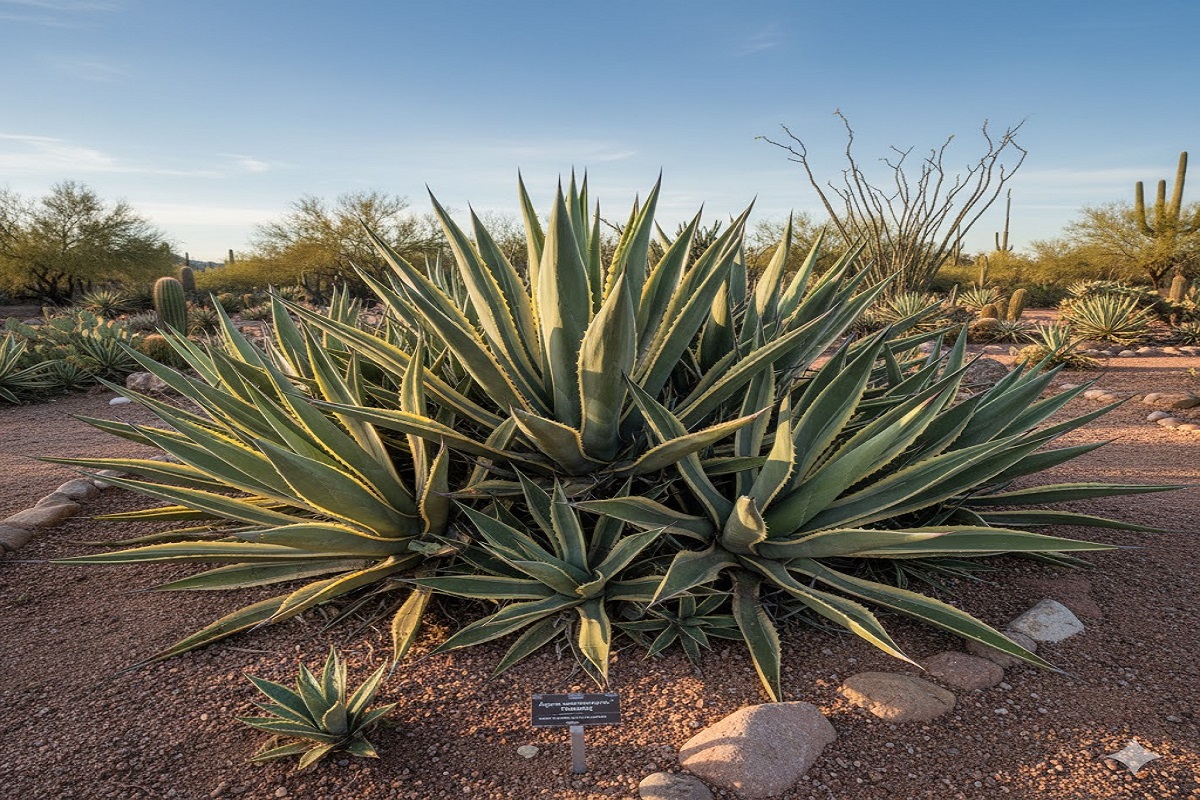
Agave plants, with their huge leaves and spiky points, provide a dramatic presence in any garden or indoor setting. With over 250 kinds, succulents range from little, dish-sized variety to those that reach over 10 feet. To effectively grow agave plants, you must first understand their predilection for rocky, sandy soil and full light. By following these guidelines, you may keep your agave healthy and bright year-round. Learn how to grow and care for agave plants. Discover light, soil, watering needs, propagation tips, and safety concerns for pets.
Related Guides
Agave FAQs
How often should you water an agave plant?
Agave plants are drought tolerant and should only be watered when the soil is completely dry. Outdoor plants may only need watering every few weeks, while potted agaves typically need water once a week in summer and much less in winter.
Does agave need full sun?
Yes, agave grows best in full sun with at least six hours of direct light daily. Some varieties can tolerate partial shade, especially in very hot climates.
Is agave toxic to humans or pets?
Yes, raw agave sap can irritate skin and is toxic to pets such as dogs if ingested. It is recommended to wear gloves when handling agave and keep pets away from the plant.
Can agave be grown indoors?
Agave can be grown indoors in containers if placed near a bright, sunny window. Proper drainage and minimal watering are essential to prevent root rot.
How long does it take for agave to bloom?
Most agave plants bloom only once after 10 to 20 years of growth. After flowering, the main plant dies, but it often produces pups that continue growing.
Why are my agave leaves turning yellow?
Yellowing leaves are commonly caused by overwatering or poor drainage. Lack of sunlight can also reduce leaf color and overall plant health.