Don Juan Climbing Rose – Complete Guide to Growing, Care, Pruning & Training
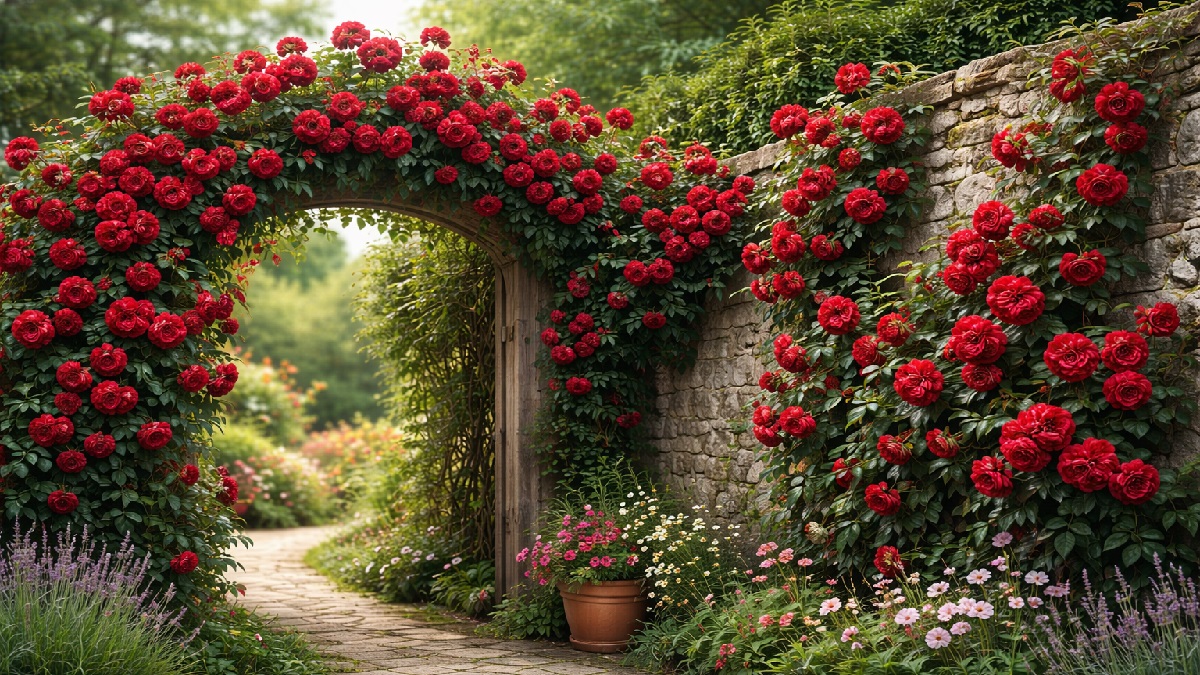
The Don Juan climbing rose is one of the most admired red climbing roses in the world. Known for its deep velvety crimson blooms, strong fragrance, and repeat flowering habit, this classic rose variety has been a favorite among gardeners for decades.
If you are looking to create a dramatic vertical garden display, cover a trellis, or enhance your fence with romantic red flowers, the Don Juan rose is an exceptional choice. In this comprehensive guide, you'll learn everything you need to know about growing, caring for, pruning, and training this stunning climbing rose.
Overview of Don Juan Climbing Rose
| Feature | Details |
|---|---|
| Botanical Name | Rosa 'Don Juan' |
| Type | Climbing Rose |
| Flower Color | Deep Velvet Red |
| Fragrance | Strong, Classic Rose Scent |
| Blooming | Repeat Flowering |
| Height | 8–12 feet |
| Sunlight | Full Sun |
The Don Juan rose was introduced in the mid-20th century and quickly gained popularity due to its rich color and strong fragrance. Unlike many climbing roses, it produces large, hybrid tea-like blooms, making it both elegant and eye-catching.
Why Choose Don Juan Climbing Rose?
There are many reasons why gardeners choose the Don Juan rose for their landscapes:
- Produces large, showy red flowers
- Highly fragrant blooms
- Repeat flowering throughout the season
- Excellent for vertical gardening
- Relatively easy to train and maintain
Best Growing Conditions
Sunlight Requirements
Don Juan roses thrive in full sunlight. They require at least 6–8 hours of direct sunlight daily for optimal growth and blooming.
Soil Requirements
Well-draining, fertile soil is essential. The ideal soil should be:
- Rich in organic matter
- Slightly acidic (pH 6.0–6.5)
- Loose and well-aerated
Climate
This climbing rose performs best in temperate climates but can adapt to warm regions with proper care and watering.
How to Plant Don Juan Climbing Rose
Step-by-Step Planting Guide
- Choose a sunny location with good airflow
- Dig a hole twice as wide as the root ball
- Add compost or organic matter to the soil
- Place the plant at the same depth as in the container
- Backfill soil and water thoroughly
- Add mulch around the base
Proper planting ensures strong root development and healthy growth.
Watering and Feeding
Watering
Water deeply but less frequently to encourage deep roots. Avoid overhead watering to reduce disease risk.
- Water 2–3 times per week in summer
- Reduce watering in cooler months
Fertilizing
Feed your Don Juan rose regularly for abundant blooms:
- Use balanced fertilizer (10-10-10)
- Apply every 4–6 weeks during growing season
- Stop fertilizing in late autumn
Training Don Juan Climbing Rose
Training is essential for maximizing flowering and creating a beautiful structure.
Best Supports
- Trellis
- Arches
- Pergolas
- Fences
Training Tips
- Tie canes horizontally to encourage more blooms
- Use soft ties to avoid damage
- Train regularly as the plant grows
Pruning Guide
Pruning helps maintain shape, improve airflow, and promote flowering.
When to Prune
- Late winter or early spring
How to Prune
- Remove dead or damaged wood
- Cut back weak stems
- Shape the plant by trimming excess growth
Avoid heavy pruning in the first year to allow the plant to establish.
Common Problems and Solutions
Pests
- Aphids
- Spider mites
- Thrips
Diseases
- Black spot
- Powdery mildew
Prevention Tips
- Ensure good airflow
- Avoid overhead watering
- Use neem oil or fungicides when needed
Seasonal Care Guide
Spring
- Prune and fertilize
- Start training new growth
Summer
- Water regularly
- Deadhead spent blooms
Autumn
- Reduce feeding
- Prepare for dormancy
Winter
- Minimal care required
- Protect roots in cold regions
Landscaping Ideas
The Don Juan climbing rose is incredibly versatile in garden design:
- Cover walls and fences with red blooms
- Create romantic garden arches
- Enhance entryways and gates
- Pair with white or pink roses for contrast
Its bold color makes it a focal point in any garden.
Propagation
Don Juan roses can be propagated using cuttings:
- Take semi-hardwood cuttings
- Dip in rooting hormone
- Plant in moist soil
- Keep in warm, humid conditions
Rooting usually takes a few weeks.
Benefits of Growing Don Juan Roses
- Highly ornamental
- Fragrant garden atmosphere
- Attracts pollinators
- Perfect for vertical gardening
Conclusion
The Don Juan climbing rose is a timeless choice for gardeners who want dramatic color, fragrance, and vertical beauty in their outdoor spaces. With proper planting, training, and care, this rose can transform any garden into a breathtaking floral display.
Whether you are a beginner or an experienced gardener, growing Don Juan roses is a rewarding experience that brings elegance and charm year after year.
Frequently Asked Questions
Is Don Juan climbing rose good for beginners?
Yes, Don Juan climbing rose is beginner-friendly. With proper sunlight, watering, and basic pruning, it grows well and produces beautiful blooms.
How tall does Don Juan climbing rose grow?
It typically grows between 8 to 12 feet tall, making it ideal for trellises, fences, and pergolas.
Does Don Juan rose bloom all year?
It is a repeat-flowering rose that blooms multiple times during the growing season but not continuously throughout winter.
What is the best fertilizer for Don Juan roses?
A balanced fertilizer such as 10-10-10 or a rose-specific fertilizer applied every 4–6 weeks during the growing season works best.
How do you train a Don Juan climbing rose?
Train the canes horizontally along a trellis or support using soft ties. This encourages more lateral shoots and increases flowering.