Climbing Roses: The Complete Growing & Care Guide
Introduction to Climbing Roses
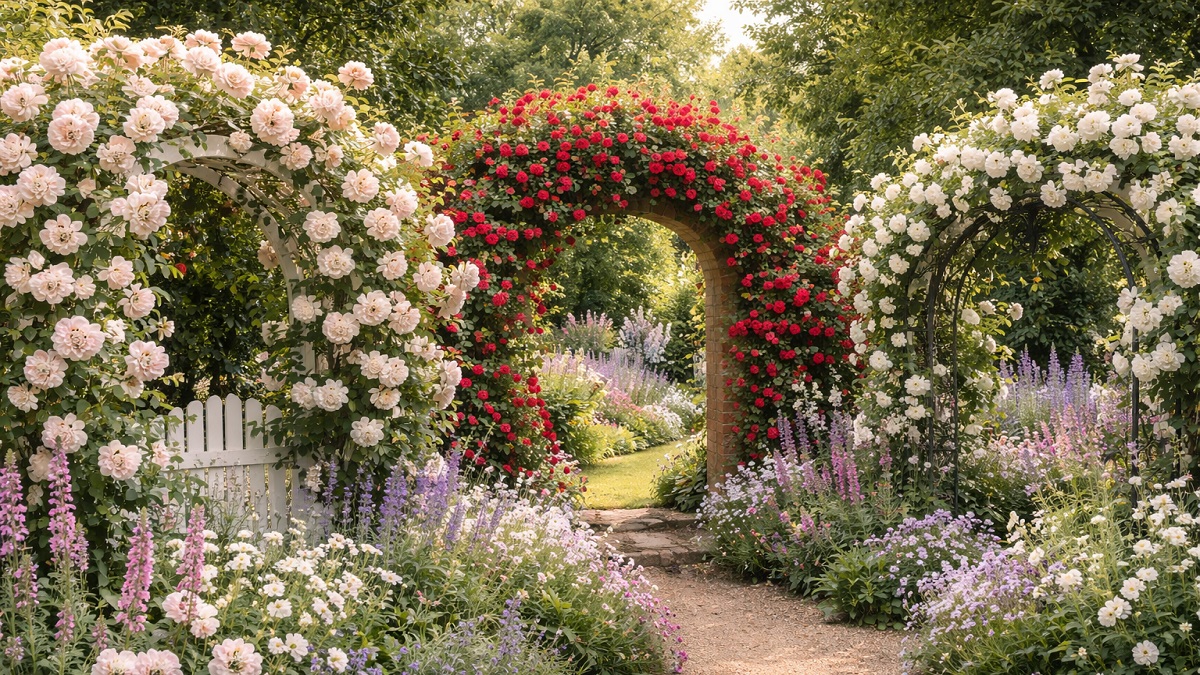
Climbing roses are among the most elegant and versatile plants you can grow in your garden. Known for their long, arching canes and abundant blooms, they can transform walls, fences, pergolas, and trellises into breathtaking displays of color and fragrance. Unlike bush roses, climbing roses are trained to grow vertically or across structures, creating a dramatic visual impact that enhances both small and large garden spaces.
These roses are not true climbers like ivy or clematis. Instead, they produce long canes that need to be tied and guided along a support structure. With proper care and training, climbing roses can become the centerpiece of your garden, offering blooms from late spring through autumn depending on the variety.
Whether you are a beginner gardener or an experienced horticulturist, growing climbing roses is a rewarding experience. This guide will walk you through everything you need to know, from choosing the right variety to mastering pruning techniques and ensuring year-round health.
Types of Climbing Roses
Climbing roses can generally be divided into two main categories: climbers and ramblers. While both produce long canes, they differ significantly in growth habits, flowering patterns, and maintenance needs.
Climber Roses
Climber roses are the most common type found in gardens. They tend to have large, repeat-flowering blooms and sturdy canes that are easier to train. These roses bloom multiple times throughout the growing season, making them ideal for gardeners who want continuous color.
Rambler Roses
Ramblers produce long, flexible canes and often bloom once a year in a spectacular flush. They are perfect for covering large structures or naturalizing in informal garden settings. Their vigorous growth makes them ideal for arches and large trellises.
Choosing between climbers and ramblers depends on your garden space and design goals. Climbers are better suited for smaller areas, while ramblers excel in larger landscapes.
Best Conditions for Growing Climbing Roses
Climbing roses thrive when planted in the right conditions. Providing the proper environment ensures healthy growth and abundant blooms.
Sunlight
Roses require at least 6 hours of direct sunlight per day. Morning sun is especially beneficial as it helps dry dew on leaves, reducing the risk of fungal diseases.
Soil
Well-draining, fertile soil is essential for climbing roses. Loamy soil enriched with organic matter such as compost or well-rotted manure provides the nutrients needed for vigorous growth.
Watering
Consistent watering is crucial, especially during the first year of growth. Water deeply at the base of the plant to encourage strong root development and avoid wetting the foliage.
Spacing
Proper spacing allows for good air circulation, reducing the risk of disease. Most climbing roses should be spaced 6 to 10 feet apart depending on the variety.
How to Plant Climbing Roses
Planting climbing roses correctly is the first step toward a thriving garden feature. Follow these steps for best results:
- Choose a sunny location with well-draining soil.
- Dig a hole twice as wide and deep as the root ball.
- Mix compost into the soil to improve fertility.
- Position the plant at a slight angle toward the support structure.
- Backfill the hole and water thoroughly.
- Mulch around the base to retain moisture and suppress weeds.
Planting is best done in early spring or autumn when temperatures are mild. This allows the plant to establish roots before extreme weather conditions.
Training Climbing Roses
Training is essential for achieving the desired shape and maximizing flowering. Unlike natural climbers, roses need guidance to grow along structures.
Start by gently tying the canes to a trellis, arch, or fence using soft garden ties. Avoid tying too tightly, as this can damage the stems. As the plant grows, continue to guide the canes horizontally. Horizontal training encourages more side shoots, which leads to more blooms.
Regularly check and adjust ties to accommodate growth. Proper training not only improves the plant’s appearance but also increases flowering potential.
Pruning Climbing Roses
Pruning is one of the most important aspects of climbing rose care. It helps maintain shape, encourages new growth, and improves air circulation.
When to Prune
Prune climbing roses in late winter or early spring before new growth begins. For ramblers, prune after flowering since they bloom on old wood.
How to Prune
- Remove dead, damaged, or diseased wood.
- Cut back weak or overcrowded stems.
- Retain strong main canes and trim side shoots to 2-4 buds.
- Encourage horizontal growth by tying canes outward.
Regular pruning ensures a healthy plant and abundant blooms year after year.
Fertilizing Climbing Roses
Feeding your climbing roses provides the nutrients needed for strong growth and vibrant blooms. Use a balanced rose fertilizer during the growing season.
Apply fertilizer in early spring as new growth begins, and again after the first flush of flowers. Organic options such as compost, fish emulsion, or bone meal can also be beneficial.
Avoid over-fertilizing, as this can lead to excessive foliage growth at the expense of flowers.
Common Problems and Solutions
Climbing roses can be affected by pests and diseases. Early detection and proper care can prevent most issues.
Pests
Aphids, Spider mites, and caterpillars are common pests. Use insecticidal soap or neem oil to control infestations.
Diseases
Black spot, powdery mildew, and rust are common fungal diseases. Ensure good air circulation and avoid overhead watering to reduce risk.
Prevention
Maintain healthy plants through proper watering, feeding, and pruning. Remove affected leaves promptly to prevent spread.
Best Climbing Rose Varieties
Choosing the right variety is key to achieving your desired garden look. Some popular climbing roses include:
- ‘New Dawn’ - Known for its soft pink blooms and repeat flowering.
- ‘Don Juan’ - Features deep red, fragrant flowers.
- ‘Iceberg Climber’ - Produces abundant white blooms.
- ‘Golden Showers’ - Offers bright yellow flowers and strong growth.
Each variety has unique characteristics, so consider color, fragrance, and growth habit when selecting plants.
Design Ideas with Climbing Roses
Climbing roses can be used in a variety of creative ways to enhance your garden design.
Grow them over arches and pergolas to create romantic walkways. Train them along fences for privacy and beauty. Use them to soften walls and add vertical interest to your landscape.
Pair climbing roses with companion plants such as lavender, salvia, or clematis to create stunning combinations of color and texture.
Seasonal Care Tips
Providing year-round care ensures your climbing roses remain healthy and productive.
Spring
Prune, fertilize, and begin training new growth.
Summer
Water regularly, deadhead spent blooms, and monitor for pests.
Autumn
Reduce feeding and prepare plants for dormancy.
Winter
Protect plants from frost and avoid heavy pruning.
Conclusion
Climbing roses are a timeless addition to any garden, offering beauty, fragrance, and versatility. With proper planting, training, and care, they can thrive for many years and become a stunning focal point in your outdoor space.
By following the tips outlined in this guide, you can enjoy the full potential of climbing roses and create a garden that is both visually striking and rewarding to maintain.
Frequently Asked Questions
Do climbing roses need a trellis?
Yes, climbing roses need support such as a trellis, fence, or pergola since they do not naturally cling like vines.
How long do climbing roses take to grow?
Most climbing roses establish within 1-2 years and reach full growth in 3-5 years depending on care and variety.
Do climbing roses bloom all summer?
Many modern climbing roses are repeat bloomers and flower from late spring through summer, while some older ramblers bloom once.
How do you train climbing roses?
Train climbing roses by tying canes horizontally to supports. This encourages more side shoots and increases flowering.
Can climbing roses grow in pots?
Yes, smaller climbing varieties can grow in large containers with proper support, sunlight, and regular watering.