Growing & Caring for Ball Cactus (Parodia magnifica)
The Ball Cactus is a small, globe-shaped cactus admired for its neat symmetry and striking appearance.
Explore our complete collection of plants and flowers gardening guides designed to help beginners and experienced gardeners grow healthy, vibrant plants. In this section you’ll find detailed care guides for ornamental plants, flowering species, succulents, and perennials including Baltic Blue Pothos, Balloon Flowers, Ball Cactus, and more. Learn essential gardening techniques such as proper watering, soil preparation, sunlight requirements, pruning, and pest prevention. Whether you’re building a flower garden, growing indoor plants, or improving your landscape, these plant care guides provide practical tips to help your plants thrive in any garden environment.
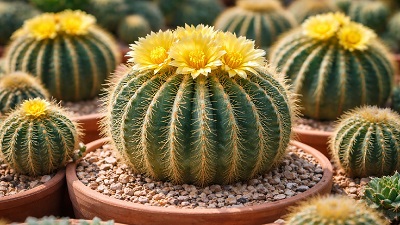
The Ball Cactus is a small, globe-shaped cactus admired for its neat symmetry and striking appearance.
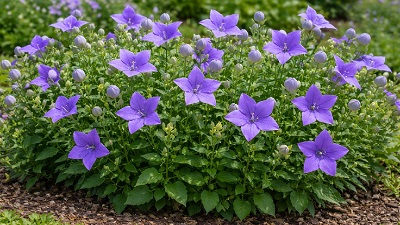
Balloon Flowers (Platycodon grandiflorus) are charming perennial plants known for their unique balloon-like buds that swell before opening into beautiful star-shaped blooms.
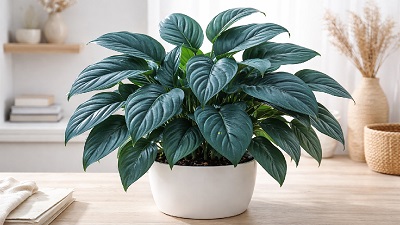
Baltic Blue Pothos (Epipremnum pinnatum ‘Baltic Blue’) is a striking tropical houseplant prized for its deep blue-green foliage and elegant, elongated leaves.
Some of the easiest plants and flowers for beginner gardeners include African daisies, agapanthus, marigolds, petunias, and succulents such as aeoniums. These plants are generally low-maintenance and adapt well to different growing conditions with basic watering, sunlight, and well-drained soil.
Most garden plants and flowers should be watered when the top layer of soil becomes dry. Typically, watering two to three times per week is sufficient for many plants, although this can vary depending on climate, soil type, and plant species. Succulents and drought-tolerant plants require less frequent watering.
Well-draining, nutrient-rich soil is ideal for most flowers and ornamental plants. A mixture of garden soil, compost, and organic matter helps improve drainage while providing essential nutrients that support healthy plant growth and flowering.
Most flowering plants grow best in full sun, which means at least six hours of direct sunlight per day. However, some plants such as African iris or shade-tolerant species can thrive in partial shade with four to five hours of sunlight.
Keeping plants healthy involves proper watering, good soil drainage, regular pruning, and adequate sunlight. Using organic pest control methods such as neem oil, natural predators, and proper garden hygiene can help prevent common plant pests and diseases.