Thrips in Garden – Identification, Prevention & Control Guide
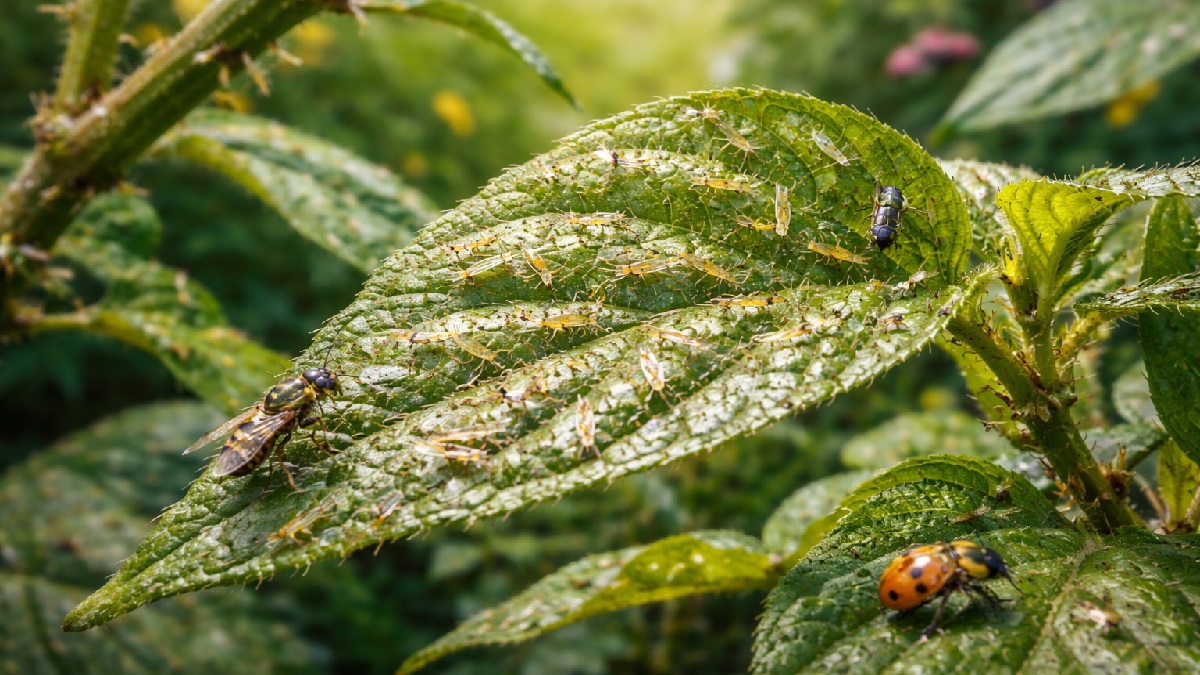
What Are Thrips?
Thrips are tiny, slender insects that feed on plant sap by puncturing plant tissues. They are often difficult to spot due to their small size but can cause significant damage to plants.
They attack leaves, flowers, and stems, leading to discoloration, deformation, and reduced plant health.
How to Identify Thrips
- Silvery or streaky patches on leaves
- Tiny black or yellow insects on plants
- Black dots (insect waste) on leaves
- Distorted or curling leaves
- Damaged flower buds
Damage Caused by Thrips
- Leaf discoloration and scarring
- Stunted plant growth
- Deformed flowers and buds
- Reduced crop yield
- Spread of plant viruses
Why Thrips Spread Quickly
Thrips reproduce rapidly, especially in warm and dry conditions. Their ability to fly or be carried by wind makes them highly mobile.
They often hide inside buds and leaf folds, making early detection difficult.
Plants Commonly Affected
| Plant Type | Examples |
|---|---|
| Vegetables | Onions, tomatoes, peppers |
| Flowers | Roses, marigolds, chrysanthemums |
| Fruit Plants | Mango, citrus |
| Indoor Plants | Ficus, monstera, orchids |
Natural Ways to Control Thrips
1. Water Spray
Use a strong spray of water to remove thrips from leaves and stems.
2. Neem Oil
Neem oil helps kill thrips and prevents them from reproducing.
3. Sticky Traps
Blue or yellow sticky traps help capture adult thrips and monitor infestations.
4. Soap Spray
Mild insecticidal soap damages the outer layer of thrips and controls their population.
5. Beneficial Insects
- Ladybugs
- Lacewings
- Predatory mites
Chemical Control Options
- Insecticidal soap
- Spinosad-based insecticides
- Horticultural oils
Preventing Thrips Infestations
- Inspect plants regularly
- Remove damaged leaves early
- Maintain proper watering
- Avoid overcrowding plants
- Use reflective mulch in gardens
Conclusion
Thrips are small but destructive pests that can damage a wide range of plants. Early detection and regular care are key to controlling them.
Natural methods like neem oil and beneficial insects are effective and eco-friendly solutions.
Also read: How to Get Rid of Aphids in Garden
Frequently Asked Questions About Thrips
What attracts thrips?
Thrips are attracted to plants in warm, dry conditions and often infest stressed plants.
How do I get rid of thrips naturally?
Use neem oil, soap sprays, and sticky traps to control thrips effectively.
Are thrips harmful to humans?
No, thrips are not harmful to humans but can severely damage plants.
Do thrips spread fast?
Yes, thrips reproduce quickly and spread easily through wind and plant contact.