🌸 Summer Bedding Plants for Gardening
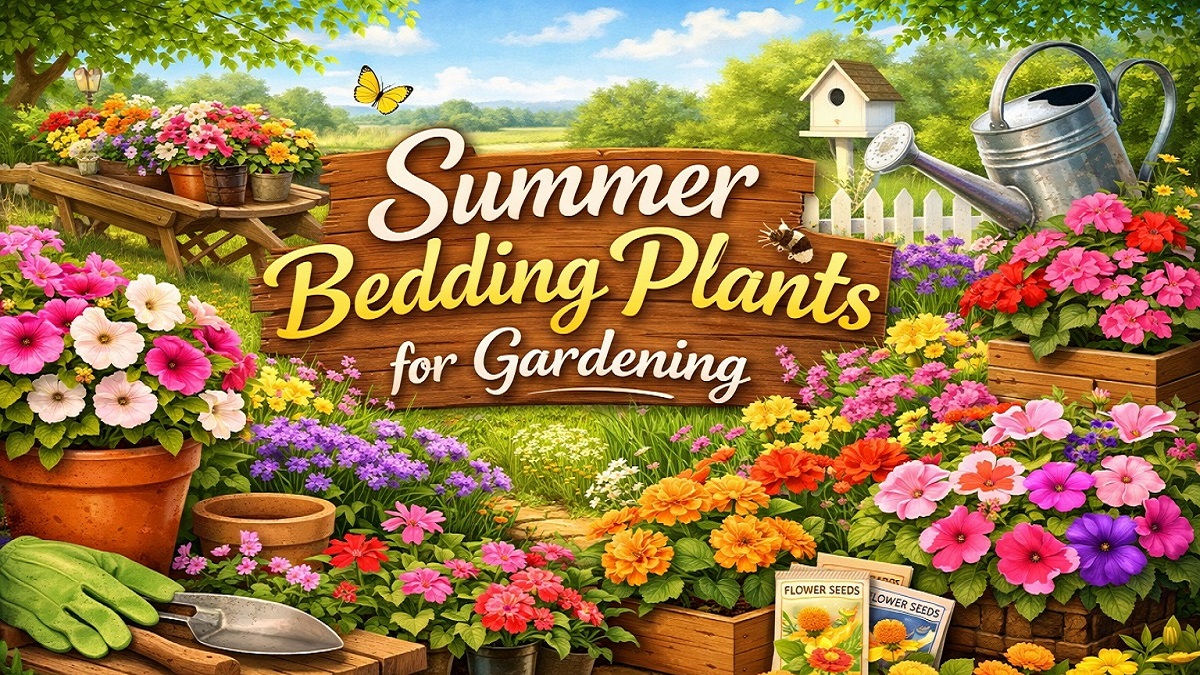
Create a Vibrant, Flower-Filled Garden All Summer Long
Summer bedding plants are one of the easiest and most effective ways to transform your outdoor space with bold, continuous colour. Designed to flower profusely from late spring through to early autumn, these seasonal plants are ideal for filling beds, borders, containers, hanging baskets and window boxes with instant impact.
Whether you have a large landscaped garden, a small courtyard, or a compact balcony, summer bedding plants offer versatility, affordability and stunning visual results. With the right selection and a little care, you can enjoy months of bright blooms, rich textures and pollinator-friendly planting.
What Are Summer Bedding Plants?
Summer bedding plants are typically fast-growing, ornamental plants that are planted out after the last frost and provide continuous flowering throughout the warmer months. Most are grown as annuals in the UK climate, meaning they complete their life cycle in one season, though some varieties are technically tender perennials.
- Rapid growth and early flowering
- Bold, eye-catching colours
- Reliable performance
- Long flowering periods
- Suitability for mixed planting schemes
Because they are replaced each year, they allow gardeners to experiment with new colour combinations and layouts season after season.
🌼 Popular Types of Summer Bedding Plants
🌺 Petunia
One of the most popular bedding plants, petunias produce masses of trumpet-shaped blooms in an enormous range of colours. Available in trailing and upright varieties, they are perfect for hanging baskets, containers and sunny borders.
🌸 Geranium (Pelargonium)
Often referred to as pelargoniums, these tough, sun-loving plants are known for their bold flower heads and attractive foliage. They are drought-tolerant once established and ideal for pots and window boxes.
🌿 Begonia
Begonias are extremely versatile and perform well in both sun and partial shade. They are especially useful for brightening darker corners of the garden with long-lasting blooms.
💙 Lobelia
Lobelia offers delicate, trailing flowers in shades of blue, purple and white. It’s perfect for edging borders or spilling gracefully from hanging baskets.
🌷 Fuchsia
Fuchsias are known for their elegant, drooping flowers. Ideal for sheltered areas, they provide excellent colour in baskets and containers.
🌼 Calibrachoa
Often called “million bells,” calibrachoa produces a profusion of small, petunia-like flowers that bloom continuously throughout summer.
🌺 Verbena
Verbena is loved for its clusters of bright flowers and excellent heat tolerance, making it perfect for sunny, exposed areas.
Where to Use Summer Bedding Plants
Garden Beds & Borders
Use bedding plants to create structured displays or informal cottage-style planting. They can fill gaps between shrubs and perennials or provide bold blocks of colour along pathways and lawn edges.
Containers & Patio Pots
Perfect for patios and small gardens, containers allow you to move displays around to maximise sunlight and create focal points.
Hanging Baskets
Trailing varieties such as petunias, lobelia and calibrachoa create dramatic cascading displays that add vertical interest.
Window Boxes
Ideal for adding charm and kerb appeal, especially when planted with coordinated colour schemes.
Edging & Pathways
Low-growing bedding plants can be used to define borders and soften hard landscaping.
Choosing the Right Plants for Your Garden
Sunlight
- Full sun: Petunias, geraniums, verbena
- Partial shade: Begonias, fuchsias
- Sheltered areas: Fuchsias and trailing varieties
Soil Type
Most summer bedding plants prefer well-drained soil enriched with organic matter. In containers, use a high-quality multi-purpose compost with added slow-release fertiliser.
Colour Scheme
- Bold, contrasting colours for dramatic impact
- Pastel tones for a soft, romantic look
- Monochrome themes
- Complementary colour combinations
How to Plant Summer Bedding Plants
1. Wait Until Frost Has Passed
Plant outdoors after the last expected frost, usually from late May in many parts of the UK.
2. Prepare the Soil
Loosen the soil and mix in compost or well-rotted manure to improve fertility and drainage.
3. Spacing
Allow enough space between plants for airflow and growth. Overcrowding can lead to disease and reduced flowering.
4. Water Thoroughly
Water plants well after planting to help them establish quickly.
Caring for Summer Bedding Plants
🌧 Watering
Keep soil consistently moist but not waterlogged. Containers and baskets may need daily watering during hot spells.
🌱 Feeding
Feed every 1-2 weeks with a liquid fertiliser high in potassium to promote flowering.
✂️ Deadheading
Remove spent flowers regularly to encourage new blooms and maintain a tidy appearance.
🌬 Protection
Provide shelter from strong winds where possible, especially for hanging baskets.
Frequently Asked Questions About Summer Bedding Plants
When should I plant summer bedding plants?
Plant summer bedding plants outdoors after the last frost, typically from late May in the UK. Ensure soil temperatures are consistently warm before planting for best results.
How often should I water bedding plants?
Keep soil consistently moist but not waterlogged. Containers and hanging baskets may require daily watering during hot weather, especially in full sun.
Do summer bedding plants need feeding?
Yes. Feed every 1-2 weeks with a liquid fertiliser high in potassium to promote continuous flowering and strong growth throughout the summer season.
Can summer bedding plants attract pollinators?
Many varieties, particularly open-flowered plants such as verbena and lobelia, attract bees and butterflies, helping to support garden biodiversity.
Are summer bedding plants annuals or perennials?
Most summer bedding plants are grown as annuals in the UK climate, meaning they complete their life cycle in one season. However, some are technically tender perennials.