Spider Mites in Garden – Identification, Prevention & Control Guide
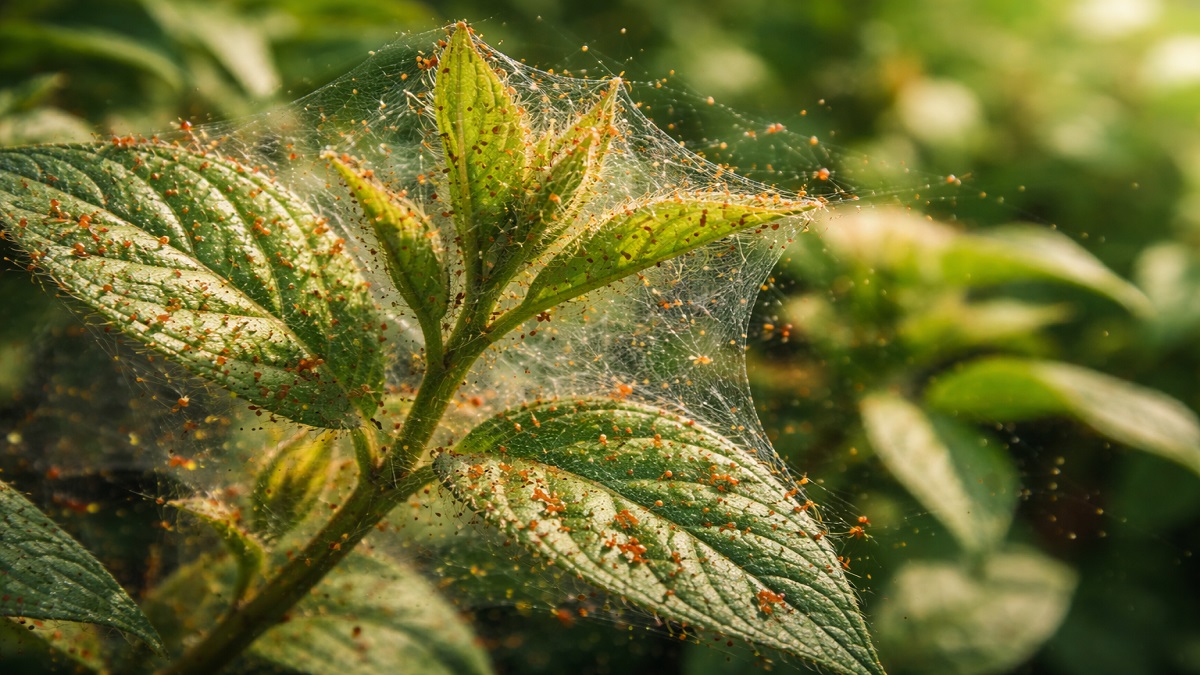
What Are Spider Mites?
Spider mites are tiny, sap-sucking pests that belong to the arachnid family, meaning they are more closely related to spiders than insects. These microscopic pests are one of the most common and destructive garden problems, especially in warm and dry conditions.
Although they are extremely small and difficult to see with the naked eye, their damage becomes very noticeable over time. Spider mites feed on plant cells by piercing the leaf surface and extracting nutrients, which weakens plants and reduces their overall health.
They are commonly found on vegetables, flowers, ornamental plants, and indoor houseplants, making them a widespread issue for gardeners.
How to Identify Spider Mites
Early identification is crucial to preventing serious infestations. Spider mites often go unnoticed until visible damage appears.
- Tiny moving dots on leaves (red, brown, or yellow)
- Fine silk webbing on leaves and stems
- Speckled or stippled leaf appearance
- Yellowing or bronzing leaves
- Dry, brittle foliage
A simple test is to tap a leaf over a white paper. If tiny specks fall and start moving, you likely have spider mites.
Damage Caused by Spider Mites
Spider mites damage plants by sucking out chlorophyll and essential nutrients. This disrupts photosynthesis and weakens the plant.
- Leaf discoloration and yellow spots
- Leaf drop in severe cases
- Stunted growth
- Reduced flowering and fruit production
- Plant death if infestation is severe
Heavy infestations can completely cover plants in webbing, making them look dusty and unhealthy.
Why Spider Mites Spread Quickly
Spider mites reproduce extremely fast, especially in hot and dry environments. A single female can lay hundreds of eggs, and new generations can develop in just a few days.
They spread easily through wind, tools, clothing, and even by moving from plant to plant. Dry conditions weaken plants, making them more vulnerable to infestations.
Plants Commonly Affected
| Plant Type | Examples |
|---|---|
| Vegetables | Tomatoes, cucumbers, beans |
| Flowers | Roses, marigolds, petunias |
| Fruit Plants | Strawberries, citrus, grapes |
| Indoor Plants | Ficus, palms, ivy |
Plants growing in dry or dusty conditions are particularly susceptible to spider mite infestations.
Natural Ways to Control Spider Mites
1. Water Spray
A strong spray of water helps remove spider mites and their webs from plants. Focus on the undersides of leaves where they usually hide.
2. Neem Oil
Neem oil is an effective organic solution that disrupts the life cycle of spider mites. Apply it weekly for best results.
3. Soap Spray
Mix mild liquid soap with water and spray directly on affected areas. This helps break down the mites' protective coating.
4. Increase Humidity
Spider mites thrive in dry conditions. Increasing humidity around plants can slow their reproduction.
5. Beneficial Insects
- Ladybugs
- Predatory mites
- Lacewings
These natural predators help control spider mite populations effectively.
Chemical Control Options
In severe infestations, chemical treatments may be required. Use them carefully and as a last resort.
- Insecticidal soaps
- Horticultural oils
- Miticides (specific to mites)
Always follow instructions and avoid harming beneficial insects.
Preventing Spider Mite Infestations
Prevention is key to managing spider mites effectively in your garden.
- Keep plants well-watered
- Increase humidity in dry climates
- Inspect plants regularly
- Remove infected leaves early
- Keep garden clean and dust-free
Healthy plants are more resistant to pest attacks and recover faster from damage.
Organic Gardening Tips
Organic gardening methods can help keep spider mites under control without using harmful chemicals.
- Use compost to strengthen plant health
- Encourage beneficial insects
- Avoid overuse of fertilizers
- Use natural sprays regularly
Maintaining a balanced ecosystem is the best long-term solution.
Conclusion
Spider mites are a serious but manageable garden pest. With early detection and consistent care, you can prevent severe damage to your plants.
By combining natural treatments, proper watering, and good gardening practices, you can keep your garden healthy and free from spider mites.
Regular monitoring and preventive care are the keys to long-term success in controlling these tiny but destructive pests.
For similar pests, read our aphids control guide.
Frequently Asked Questions About Spider Mites
What causes spider mites in plants?
Spider mites are attracted to dry, dusty conditions and stressed plants. Low humidity and high temperatures promote their growth.
How do I know if I have spider mites?
Look for fine webbing, yellow spots on leaves, and tiny moving dots. A paper test can help confirm their presence.
What is the fastest way to get rid of spider mites?
Spray plants with water and follow up with neem oil or soap spray for effective control.
Do spider mites kill plants?
Yes, severe infestations can kill plants by draining nutrients and damaging leaves.
Can plants recover from spider mites?
Yes, with proper treatment and care, most plants can recover if the infestation is controlled early.