Planting for Biodiversity
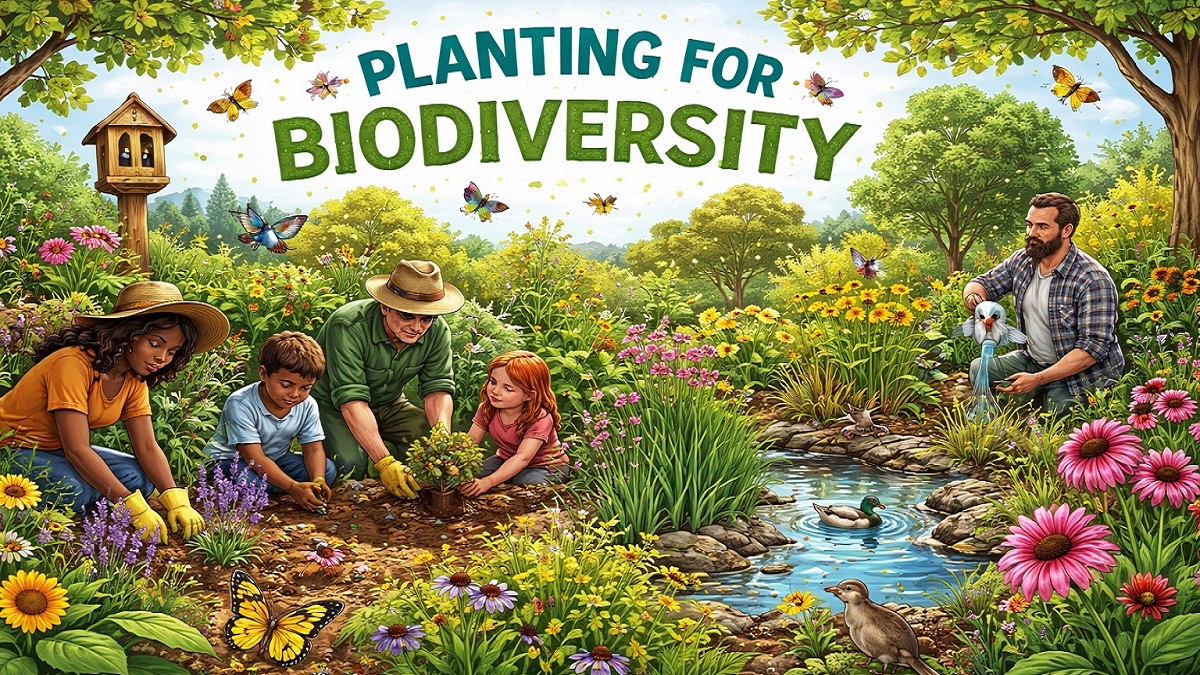
Biodiversity refers to the variety of life on Earth, including plants, animals, microorganisms, and the ecosystems they form. It is the foundation of healthy, resilient natural systems that provide essential services such as clean air, water, food, climate regulation, and soil fertility. However, biodiversity is declining at an alarming rate due to habitat loss, pollution, climate change, invasive species, and unsustainable human activities.
One of the most effective and accessible ways individuals and communities can help reverse this trend is through planting for biodiversity. Thoughtful planting can restore ecosystems, support wildlife, and create landscapes that are both beautiful and ecologically valuable.
Understanding Planting for Biodiversity
Planting for biodiversity means choosing and managing plants in a way that supports a wide range of living organisms. Unlike decorative or monoculture gardening, which often focuses on a small number of exotic or ornamental species, biodiversity-focused planting emphasizes ecological balance.
In natural ecosystems, plants form the base of the food web. They provide energy through photosynthesis, support herbivores, and in turn sustain predators. Plants also create habitats, shelter, and breeding spaces. When we plant diverse and suitable species, we recreate these natural relationships and allow ecosystems to function more effectively.
Importance of Native Plants
One of the most important principles of planting for biodiversity is the use of native plants. Native plants are species that naturally occur in a specific region and have evolved alongside local wildlife. Because of this co-evolution, native plants are perfectly adapted to the climate, soil, and rainfall patterns of the area.
Many butterflies and moths lay their eggs only on specific native host plants. If those plants disappear, dependent species decline as well. Exotic ornamental plants may appear attractive but often fail to provide the nectar, seeds, or foliage that native wildlife needs.
By planting native trees, shrubs, grasses, and flowers, biodiversity can significantly increase. Native plants also require less water, fewer fertilizers, and minimal pesticides, making them sustainable and cost-effective.
Creating Diverse Plant Layers
Biodiversity thrives in complex environments. Natural ecosystems contain multiple vegetation layers, each supporting different organisms.
- Canopy layer: Large trees that provide shade, fruits, seeds, and nesting sites.
- Understory layer: Smaller trees and tall shrubs offering shelter and food.
- Shrub layer: Flowering and berry-producing plants for insects and birds.
- Herbaceous layer: Wildflowers, grasses, and herbs that support pollinators.
- Ground layer: Mosses, creeping plants, and leaf litter that protect soil life.
The more layers and plant types present, the more ecological niches are created, leading to greater biodiversity.
Supporting Pollinators
Pollinators such as bees, butterflies, moths, beetles, birds, and bats play a crucial role in biodiversity. They pollinate a large percentage of flowering plants and food crops. Without pollinators, many ecosystems and agricultural systems would struggle to survive.
Planting nectar- and pollen-rich species that bloom throughout the year ensures a continuous food supply. Diverse flower shapes and colors attract different pollinators, while avoiding pesticides protects them from harm.
Soil Biodiversity and Microorganisms
Soil is one of the most biodiverse habitats on Earth. Healthy soil contains billions of microorganisms that decompose organic matter, recycle nutrients, and improve soil structure.
Adding compost, mulch, and organic matter supports soil organisms. Avoiding chemical fertilizers protects beneficial microbes. Healthy soil leads to stronger plants, which in turn support more wildlife.
Providing Habitat and Shelter
Plants provide food, shelter, and breeding spaces. Dense shrubs protect birds, hollow trees house bats and insects, and fallen leaves create microhabitats for decomposers.
Leaving some areas natural and retaining dead wood can significantly increase biodiversity, even in small gardens.
Biodiversity in Urban Environments
Cities have great potential for biodiversity through parks, rooftop gardens, and community forests. Urban planting reduces pollution, lowers temperatures, improves mental health, and supports wildlife.
Green corridors, tree-lined streets, balcony plants, and vertical gardens can all contribute to ecological connectivity and habitat restoration.
Role in Climate Change Mitigation
Diverse ecosystems absorb carbon dioxide and store it in plant tissues and soil. Biodiverse landscapes are also more resilient to pests, diseases, droughts, and extreme weather events.
Planting a variety of native trees and vegetation strengthens climate resilience while protecting ecosystems.
Challenges and Human Responsibility
Urban development, deforestation, and invasive species threaten biodiversity. However, education, community programs, and conservation initiatives can help reverse this trend.
Even small actions, such as planting native flowers or reducing lawn areas, can collectively make a significant impact.
Conclusion
Planting for biodiversity is a practical and powerful way to protect life on Earth. By choosing native and diverse plants, supporting pollinators, nurturing soil, and allowing natural processes to thrive, we can restore ecological balance.
Through conscious planting and sustainable practices, we can strengthen ecosystems, combat climate change, and ensure a healthier planet for future generations.
Frequently Asked Questions
What does planting for biodiversity mean?
Planting for biodiversity means selecting native and diverse plant species that support wildlife, pollinators, soil organisms and ecological balance rather than focusing only on ornamental value.
Why are native plants important for biodiversity?
Native plants have evolved alongside local wildlife and provide the correct food, shelter and breeding habitats that insects, birds and animals depend on.
How can I increase biodiversity in a small garden?
Use layered planting with trees, shrubs and wildflowers, avoid pesticides, add compost, leave some areas natural and plant species that bloom throughout the year.
Does planting for biodiversity help climate change?
Yes. Diverse ecosystems absorb carbon dioxide, improve soil carbon storage and increase resilience against droughts, floods and extreme weather.