Greenhouse: An Essential Tool for Modern Agriculture and Sustainable Gardening
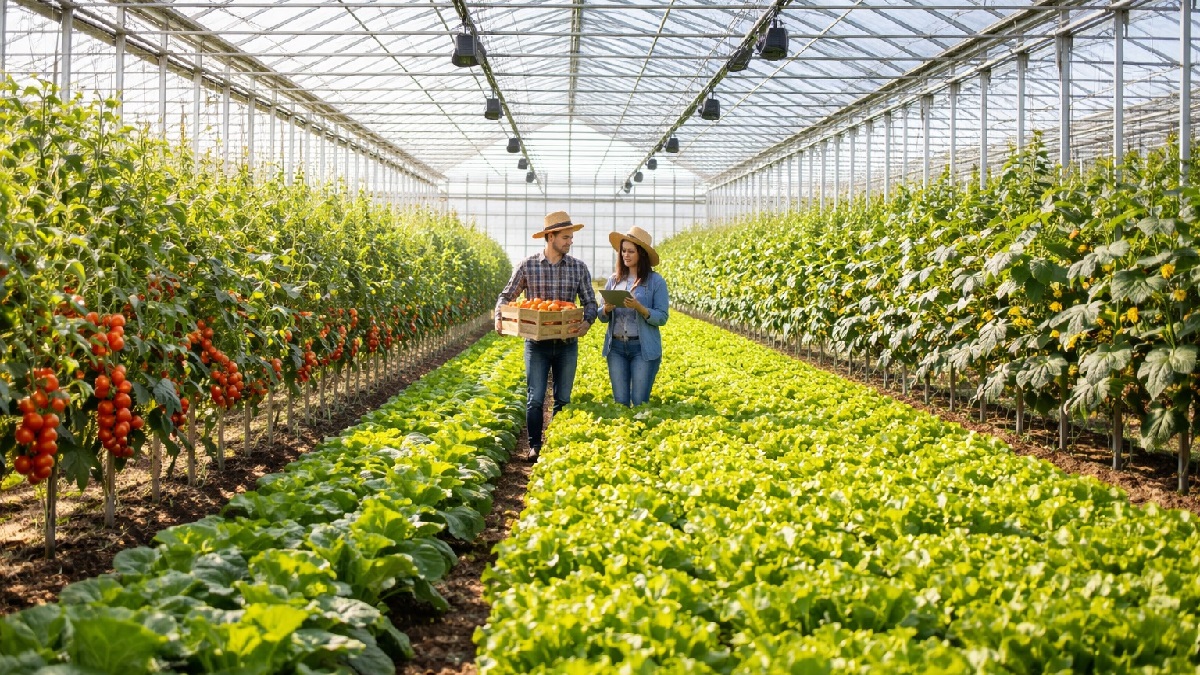
A greenhouse is a specially designed structure used to grow plants under controlled environmental conditions. It is usually made of transparent materials such as glass or plastic, which allow sunlight to enter while trapping heat inside. This creates a warm and stable environment that supports plant growth even when external conditions are unfavorable.
Greenhouses are widely used in agriculture, horticulture, research, and home gardening because they improve productivity, protect crops, and enable year-round cultivation.
In today’s world, where climate change, population growth, and food security are major concerns, greenhouses play a crucial role in sustainable agriculture.
What Is a Greenhouse?
A greenhouse is an enclosed structure that uses solar energy to maintain a suitable temperature and humidity for plants. The basic principle behind a greenhouse is the greenhouse effect.
Sunlight passes through the transparent walls and roof, warming the air and soil inside. The heat is then trapped, preventing it from escaping easily, which keeps the internal temperature higher than the outside environment.
This controlled environment allows plants to grow in regions or seasons where they normally would not survive.
History of Greenhouses
The concept of greenhouses dates back thousands of years. Ancient civilizations such as the Romans used simple structures with transparent materials to grow plants during colder months.
Modern greenhouses became more common in Europe during the 17th and 18th centuries, especially in botanical gardens and royal estates.
Today, greenhouses range from small backyard structures to massive commercial facilities that use advanced systems like automation, artificial lighting, and climate control.
Types of Greenhouses
1. Based on Structure
- Lean-to greenhouse: Built against a wall or building, saving space and cost.
- Free-standing greenhouse: A separate structure that allows more space and better airflow.
- Hoop house (polyhouse): Made with metal or PVC frames and plastic covering.
- Geodesic dome greenhouse: A dome-shaped structure that provides strength and efficient heat distribution.
2. Based on Covering Material
- Glass greenhouse: Traditional and durable with excellent light transmission.
- Plastic greenhouse: Uses polyethylene or polycarbonate sheets.
- Fiberglass greenhouse: Strong, long-lasting, and well insulated.
3. Based on Purpose
- Home greenhouse: For personal gardening.
- Commercial greenhouse: Large-scale crop production.
- Research greenhouse: Used for scientific studies and experiments.
How a Greenhouse Works
1. Light
Greenhouses are designed to maximize sunlight while reducing harmful radiation. Some modern greenhouses use artificial grow lights.
2. Temperature
Temperature is controlled through ventilation, heating systems, shading, and insulation.
3. Humidity
Humidity levels are maintained using misting systems, watering schedules, and ventilation.
4. Air Circulation
Good airflow prevents diseases and ensures sufficient carbon dioxide for photosynthesis.
Benefits of Greenhouses
1. Year-Round Growing
Farmers can grow crops throughout the year, increasing production and income.
2. Protection from Weather
Greenhouses protect plants from frost, heavy rain, strong winds, and heatwaves.
3. Better Crop Quality
Controlled conditions produce healthier plants and higher-quality fruits and vegetables.
4. Efficient Use of Resources
Drip irrigation and hydroponic systems reduce water wastage and improve productivity.
5. Higher Yield
Greenhouse plants grow faster and produce more compared to open-field farming.
Greenhouses and Sustainable Agriculture
Water Conservation
Greenhouse farming uses less water through precise irrigation systems.
Reduced Pesticide Use
Biological pest control reduces the need for chemical pesticides.
Energy Efficiency
Modern greenhouses use solar panels and energy-efficient heating systems.
Local Food Production
Growing food locally reduces transportation and fuel consumption.
Greenhouses in Urban Areas
Urban greenhouses, rooftop farming, and vertical farming are becoming increasingly popular.
- Fresh and healthy food
- Reduced food costs
- Improved air quality
- Educational opportunities
- Better mental well-being
Challenges of Greenhouses
High Initial Cost
Building and maintaining greenhouses can be expensive.
Energy Consumption
Heating systems may increase energy usage in cold climates.
Disease Spread
Diseases can spread quickly if not properly managed.
Technical Knowledge
Successful greenhouse farming requires proper training.
Future of Greenhouses
- Hydroponics and aquaponics
- Vertical farming
- Smart automation systems
- Renewable energy integration
Importance of Greenhouses in Food Security
Greenhouses increase food production in limited spaces and ensure stable supply during extreme weather conditions.
They help farmers grow high-value crops such as tomatoes, cucumbers, strawberries, and flowers.
Conclusion
A greenhouse is a powerful tool that supports modern agriculture, sustainability, and food security.
From small home gardens to large commercial farms, greenhouses help protect crops, improve yield, conserve resources, and promote eco-friendly farming.
As technology evolves, greenhouses will play an even greater role in shaping the future of agriculture and ensuring a healthier planet.
Frequently Asked Questions About Greenhouses
What is a greenhouse used for?
A greenhouse is used to grow plants in controlled environmental conditions, protecting crops from extreme weather and allowing year-round cultivation.
How does a greenhouse work?
A greenhouse works by allowing sunlight to enter through transparent walls and trapping heat inside, maintaining a warm temperature suitable for plant growth.
What are the main types of greenhouses?
Common types include lean-to, free-standing, hoop houses, and geodesic dome greenhouses, made from glass, plastic, or fiberglass materials.
Are greenhouses good for sustainable farming?
Yes. Greenhouses reduce water use, lower pesticide dependency, increase crop yield, and support local food production, making them environmentally sustainable.