Eco-Friendly Gardening: Growing a Greener and Healthier Future
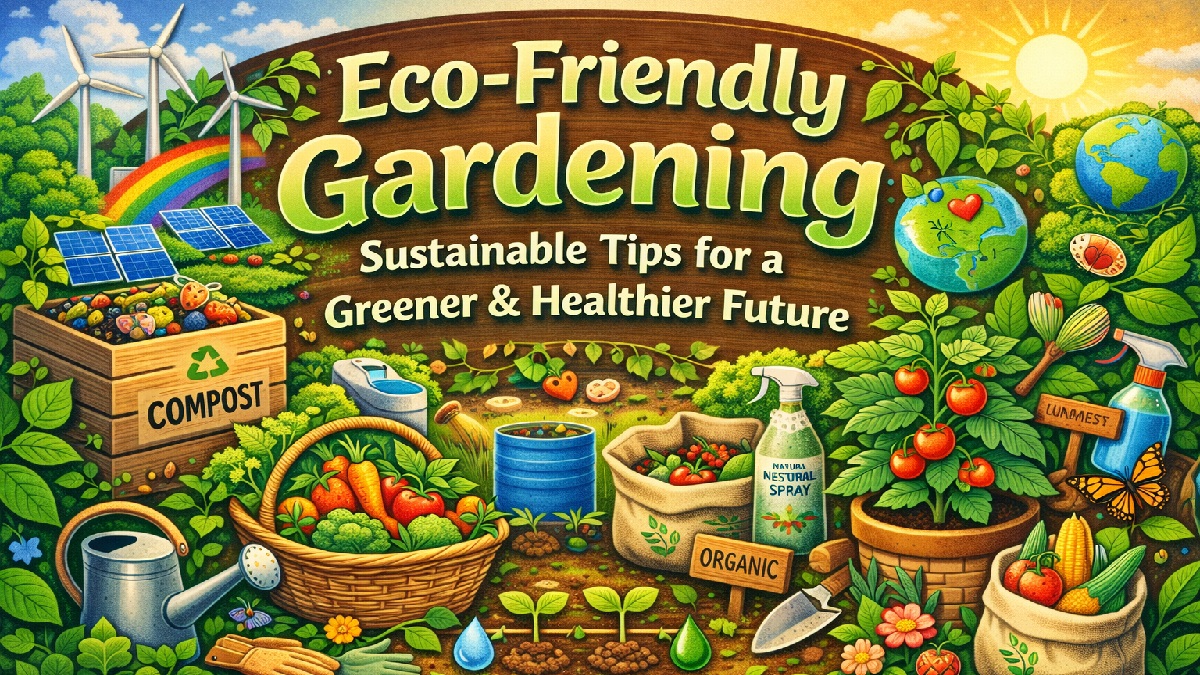
Eco-friendly gardening is a sustainable approach to growing plants that works in harmony with nature instead of against it. It focuses on protecting the environment, conserving natural resources, and promoting biodiversity while producing healthy plants, flowers, fruits, and vegetables.
Unlike conventional gardening, which often relies on chemical fertilizers, pesticides, and excessive water use, eco-friendly gardening emphasizes natural methods that improve soil health, support wildlife, and reduce pollution.
In today’s world, where climate change, soil degradation, water scarcity, and loss of biodiversity are major global concerns, eco-friendly gardening is not just a hobby—it is a responsibility. Even small gardens, balconies, rooftops, and community spaces can make a positive environmental impact when managed sustainably.
What Is Eco-Friendly Gardening?
Eco-friendly gardening, also known as sustainable or green gardening, is the practice of growing plants in ways that minimize harm to the environment.
The main goal is to create a self-sustaining system where plants, soil, insects, and microorganisms work together naturally.
Core Principles
- Reduce: Minimize harmful inputs like chemicals and plastic.
- Reuse: Recycle containers, organic waste, and water.
- Restore: Improve soil, protect biodiversity, and heal the environment.
Importance of Eco-Friendly Gardening
1. Protects the Environment
Reduces soil, air, and water pollution caused by chemical fertilizers and pesticides.
2. Conserves Natural Resources
Uses less water and energy while recycling organic waste.
3. Improves Soil Health
Enhances soil fertility and supports beneficial microorganisms.
4. Supports Biodiversity
Encourages pollinators, birds, and wildlife.
5. Produces Healthier Food
Provides chemical-free, nutritious fruits and vegetables.
Key Principles of Eco-Friendly Gardening
1. Use Organic Methods
Organic Fertilizers
- Compost
- Vermicompost
- Cow dung manure
- Green manure
- Bone meal
- Neem cake
Natural Pest Control
- Neem oil spray
- Garlic-chili spray
- Soap water
- Beneficial insects (ladybugs, lacewings)
- Companion planting
2. Composting: Turning Waste into Gold
Composting converts kitchen and garden waste into nutrient-rich organic fertilizer.
Materials for Compost
- Vegetable peels
- Fruit waste
- Dry leaves
- Grass clippings
- Tea leaves
- Eggshells
Benefits of Composting
- Reduces household waste
- Improves soil structure
- Enhances water retention
- Reduces chemical fertilizer use
3. Water Conservation
Water-Saving Techniques
- Drip irrigation
- Mulching
- Rainwater harvesting
- Watering in early morning or evening
- Drought-resistant plants
Benefits of Mulching
- Reduces evaporation
- Prevents weeds
- Maintains soil temperature
- Improves soil fertility
4. Growing Native and Local Plants
Native plants adapt naturally to local climate and require minimal care.
- Support pollinators
- Require less water
- Resist pests naturally
- Improve biodiversity
5. Soil Care and Natural Fertility
- Add compost regularly
- Practice crop rotation
- Use green manure
- Avoid excessive digging
6. Reduce Chemical Use
- Biological control
- Organic sprays
- Manual pest removal
- Natural fertilizers
7. Encourage Biodiversity
- Plant diverse species
- Include flowering plants
- Grow trees and shrubs
- Provide bird feeders and water
8. Eco-Friendly Gardening Tools
- Clay pots
- Recycled containers
- Bamboo stakes
- Natural fiber ropes
- Solar-powered garden lights
9. Kitchen Gardening
- Tomatoes
- Chilies
- Spinach
- Mint
- Coriander
- Beans
10. Urban Eco-Friendly Gardening
- Terrace gardening
- Balcony gardening
- Vertical gardening
- Rooftop gardens
- Community gardens
Role in Climate Change
- Absorbs carbon dioxide
- Improves carbon storage in soil
- Reduces waste and pollution
- Acts as small carbon sinks
Common Eco-Friendly Gardening Practices
Crop Rotation
Prevents pests and improves soil fertility.
Companion Planting
Examples:
- Basil with tomatoes
- Marigold with vegetables
- Beans with corn
No-Dig Gardening
Protects soil organisms and improves structure.
Challenges
- Initial effort required
- Knowledge needed
- Slower visible results
Eco-Friendly Gardening and Mental Health
- Reduces stress
- Improves mood
- Encourages physical activity
- Strengthens connection with nature
Future of Eco-Friendly Gardening
- Organic farming
- Smart irrigation
- Vertical farming
- Zero-waste gardening
- Permaculture
Conclusion
Eco-friendly gardening promotes natural methods, reduces pollution, conserves resources, and supports biodiversity. By working with nature instead of against it, gardeners create healthier soil, healthier plants, and healthier communities.
Whether in a balcony or a large farm, every eco-friendly garden contributes to a greener planet and a sustainable future. 🌱
Frequently Asked Questions
What is eco-friendly gardening?
Eco-friendly gardening is a sustainable method of growing plants using organic practices, conserving water, avoiding chemicals, and promoting biodiversity.
Why is eco-friendly gardening important?
It protects the environment, improves soil health, conserves natural resources, supports wildlife, and produces healthier food.
How can I start eco-friendly gardening at home?
Start by composting kitchen waste, using organic fertilizers, conserving water, planting native species, and avoiding chemical pesticides.
Does eco-friendly gardening help fight climate change?
Yes. Plants absorb carbon dioxide, improve soil carbon storage, reduce waste, and help lower greenhouse gas emissions.