Cold Frame Gardening: A Simple and Effective Season Extension Tool
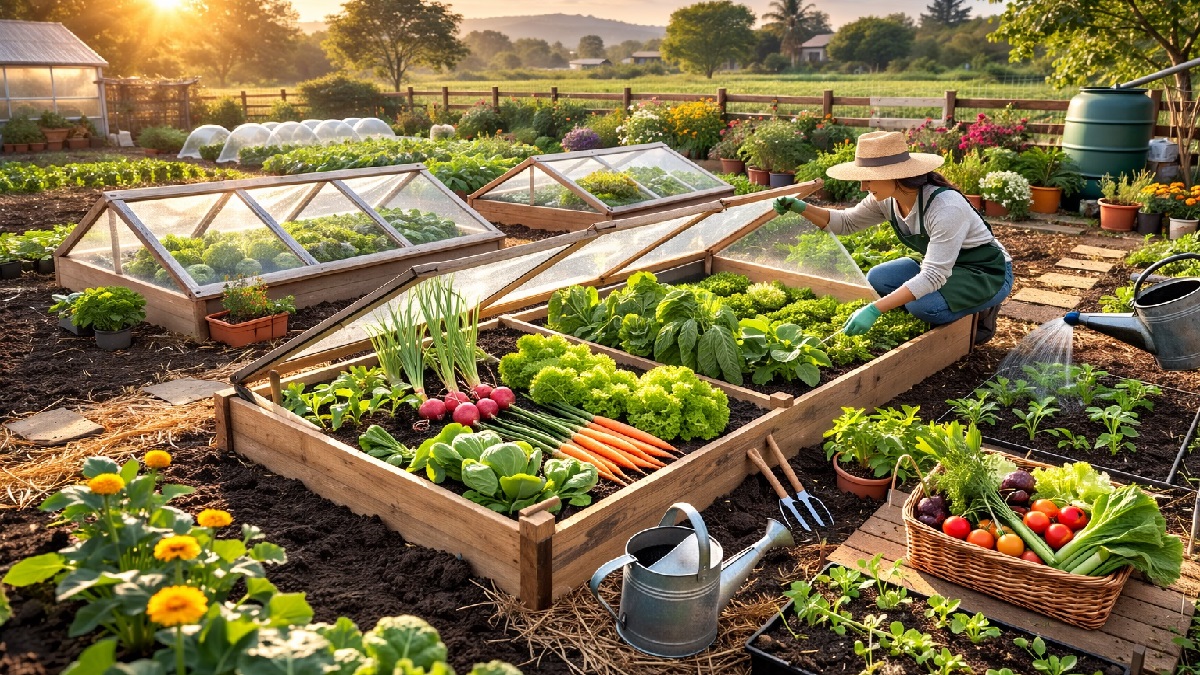
A cold frame is a small, enclosed structure used in gardening to protect plants from cold temperatures and harsh weather conditions. It works like a miniature greenhouse, allowing gardeners to extend the growing season by providing a warmer and more stable environment for plants. Cold frames are especially useful in cooler climates, helping start seedlings early in spring, protect plants in autumn, and even grow certain crops during winter.
Cold frames are popular among home gardeners because they are simple to build, inexpensive compared to greenhouses, and highly effective. They represent one of the oldest and most practical techniques in season extension gardening.
What Is a Cold Frame?
A cold frame is usually a low box-like structure with a transparent or semi-transparent covering on top. The top is often made of glass, plastic, or polycarbonate, while the sides can be made from wood, bricks, concrete blocks, or metal. The transparent top allows sunlight to enter and warm the air and soil inside, while the structure traps heat and protects plants from wind, frost, rain, and snow.
The basic principle of a cold frame is similar to the greenhouse effect. Sunlight enters the structure, heats the interior, and the trapped warmth creates a microclimate that is warmer than the outside environment.
History of Cold Frames
Cold frames have been used for centuries. Early gardeners in Europe used simple frames made from wood and glass to grow vegetables during colder months. In the 19th and early 20th centuries, cold frames were widely used in kitchen gardens and small farms, especially for growing lettuce, spinach, radishes, and herbs during winter. Even today, cold frames remain popular because of their simplicity and effectiveness.
Types of Cold Frames
1. Traditional Cold Frame
Wooden or brick frame with a slanted glass lid that collects sunlight and allows rain and snow to slide off.
2. Portable Cold Frame
Lightweight, easy to move, often made from plastic or PVC. Ideal for small gardens and balconies.
3. Raised Bed Cold Frame
Combines a raised garden bed with a transparent lid, maximizing benefits of both structures.
4. DIY Cold Frame
Built from recycled materials such as old windows, plastic bottles, or clear sheets. Cost-effective and environmentally friendly.
How a Cold Frame Works
Sunlight
The transparent top allows sunlight to enter, warming soil and plants inside.
Temperature
Heat is trapped inside during the night, protecting plants from frost and freezing temperatures.
Protection
Shields plants from strong winds, heavy rain, hail, and snow.
Benefits of Using a Cold Frame
- Extends the growing season
- Protects plants from frost
- Low cost and simple design
- Ideal for seedlings
- Improves plant health
Crops Suitable for Cold Frames
Leafy Greens
Lettuce, spinach, kale, arugula, and Swiss chard.
Root Vegetables
Carrots, radishes, beets, and turnips.
Herbs
Parsley, cilantro, chives, mint, and thyme.
Seedlings
Tomatoes, peppers, cabbage, cauliflower, and broccoli.
How to Use a Cold Frame Effectively
Place in a sunny spot facing south, provide ventilation, use insulation in very cold climates, water appropriately, and monitor temperature with a thermometer.
Cold Frames vs Greenhouses
| Feature | Cold Frame | Greenhouse |
|---|---|---|
| Size | Small | Large |
| Cost | Low | High |
| Heating | Natural | Often artificial |
| Mobility | Easy to move | Permanent |
| Purpose | Season extension | Year-round growing |
Role of Cold Frames in Sustainable Gardening
- Energy Efficiency
- Reduced Food Miles
- Organic Gardening
- Waste Reduction
Challenges of Cold Frames
- Limited space
- Overheating risk
- Not suitable for extreme cold
- Requires regular monitoring
Cold Frames in Urban Gardening
Useful on rooftops, balconies, terraces, and small backyards. Also used in schools and community gardens as educational tools.
Future of Cold Frames
Innovations include polycarbonate lids, automatic vents, foldable designs, and smart temperature sensors.
Conclusion
Cold frames are simple, affordable, and effective gardening tools that extend the growing season, protect plants, and support sustainable agriculture. They remain a practical solution for urban and rural gardeners, beginners and experts alike.
Frequently Asked Questions
What is a cold frame used for?
A cold frame is used to protect plants from frost and cold weather while extending the growing season naturally.
Can you grow vegetables in a cold frame during winter?
Yes, many cool-season crops like lettuce, spinach, kale and radishes grow successfully in cold frames during winter.
How is a cold frame different from a greenhouse?
Cold frames are smaller and rely only on natural heat, while greenhouses are larger structures that may use artificial heating systems.
Do cold frames require ventilation?
Yes. Opening the lid slightly on sunny days prevents overheating and keeps plants healthy.