Aphids in Gardening – Identification, Prevention & Control Guide
What Are Aphids?
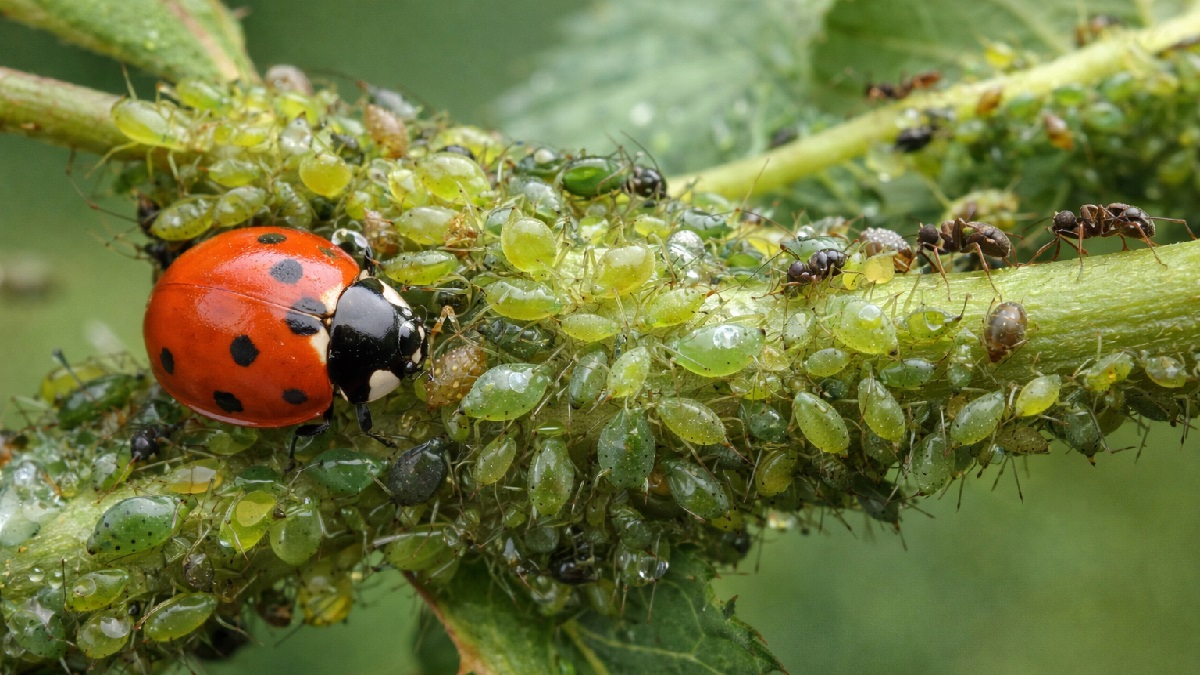
Aphids are tiny, soft-bodied insects that are among the most common pests in home gardens. These small sap-sucking insects can be found on a wide range of plants, including vegetables, flowers, shrubs, and fruit trees. Aphids come in various colors such as green, black, yellow, brown, and even pink, depending on the species.
Despite their small size, aphids can cause significant damage to plants by feeding on their sap. They reproduce rapidly, which means a small infestation can quickly turn into a major problem if not addressed early.
How to Identify Aphids
Identifying aphids early is crucial for preventing widespread damage. These insects are usually found in clusters on the undersides of leaves, along stems, or around new growth.
- Small, pear-shaped bodies
- Soft and slow-moving insects
- Found in clusters
- Sticky residue (honeydew) on leaves
- Presence of ants (they farm aphids)
If you notice curling leaves or distorted growth, aphids are often the hidden cause.
Damage Caused by Aphids
Aphids feed by piercing plant tissues and sucking out sap, which weakens the plant over time. This can lead to multiple issues affecting plant health and productivity.
- Yellowing and curling leaves
- Stunted growth
- Reduced flowering and fruiting
- Spread of plant viruses
- Development of sooty mold due to honeydew
Severe infestations can even kill young or delicate plants if left untreated.
Why Aphids Spread Quickly
Aphids reproduce extremely fast, especially in warm weather. Female aphids can give birth to live young without mating, allowing populations to explode within days.
Additionally, some aphids develop wings and migrate to new plants, spreading infestations across your garden.
Plants Commonly Affected by Aphids
| Plant Type | Examples |
|---|---|
| Vegetables | Tomatoes, peppers, cabbage |
| Flowers | Roses, marigolds, dahlias |
| Fruit Plants | Apple, citrus, berries |
| Indoor Plants | Ficus, pothos, herbs |
Roses and tender new growth are especially vulnerable to aphid attacks.
Natural Ways to Control Aphids
1. Water Spray
A strong jet of water can physically remove aphids from plants. This is one of the simplest and most effective methods for minor infestations.
2. Neem Oil
Neem oil is a natural insecticide that disrupts aphid feeding and reproduction. Spray it on affected plants weekly.
3. Soap Spray
Mix mild liquid soap with water and spray directly on aphids. This breaks down their outer layer and kills them.
4. Introduce Beneficial Insects
- Ladybugs
- Lacewings
- Parasitic wasps
These insects naturally feed on aphids and help control their population.
Chemical Control Options
If infestations are severe, chemical insecticides may be necessary. Always use them carefully to avoid harming beneficial insects.
- Insecticidal soaps
- Horticultural oils
- Systemic insecticides (for extreme cases)
Follow label instructions and avoid spraying during flowering to protect pollinators.
Preventing Aphid Infestations
Prevention is always better than cure. Maintaining a healthy garden environment can significantly reduce the chances of aphid infestations.
- Inspect plants regularly
- Avoid over-fertilizing (especially nitrogen)
- Encourage beneficial insects
- Use companion planting (e.g., garlic, chives)
- Keep garden clean and weed-free
Organic Gardening Tips
For gardeners who prefer chemical-free methods, organic practices are highly effective against aphids.
- Use homemade sprays
- Plant pest-repelling herbs
- Maintain biodiversity
- Use compost to strengthen plants
Healthy plants are naturally more resistant to pests.
Conclusion
Aphids are a common but manageable garden pest. With early detection and the right approach, you can prevent serious damage to your plants. Whether you choose natural remedies or targeted treatments, consistency is key to keeping aphids under control.
By maintaining a balanced garden ecosystem and encouraging beneficial insects, you can reduce aphid problems and enjoy healthier, more productive plants throughout the growing season.
For similar pests, read our spider mites control guide.
Frequently Asked Questions About Aphids
What causes aphids to appear in the garden?
Aphids are attracted to tender new growth and plants with high nitrogen levels. Over-fertilizing and warm weather conditions can increase their population rapidly.
Are aphids dangerous for plants?
Yes, aphids damage plants by sucking sap, causing leaf curling, yellowing, and stunted growth. They can also spread harmful plant viruses.
What is the fastest way to get rid of aphids?
The fastest method is spraying plants with a strong jet of water, followed by neem oil or insecticidal soap for long-term control.
Do aphids spread quickly in gardens?
Yes, aphids reproduce very quickly, especially in warm conditions. A small infestation can become severe within a few days.
Can plants recover after aphid infestation?
Most plants can recover if aphids are controlled early. Proper watering, feeding, and pruning help restore plant health.