Acid-Loving Shrubs: A Complete Guide to Growing and Caring for Them
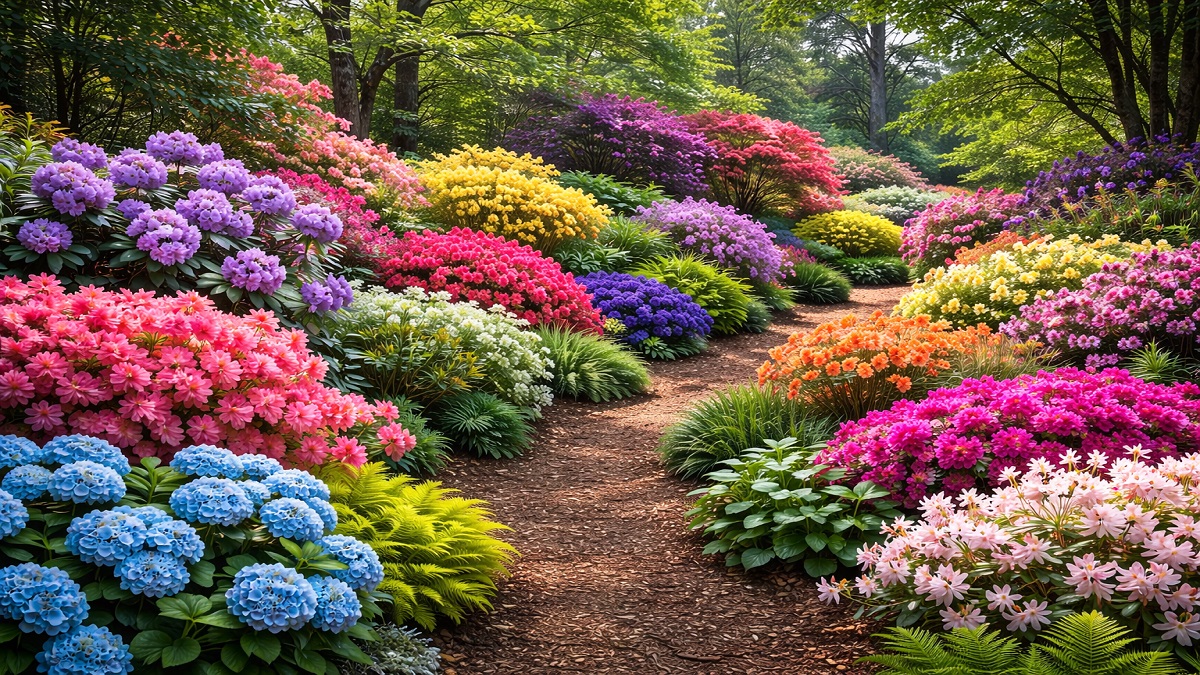
Acid-loving shrubs are plants that thrive in soils with a low pH level, typically between 4.5 and 6.0. These shrubs are especially popular in ornamental gardens because of their vibrant flowers, evergreen foliage, and ability to add structure and color to landscapes. Many of the world’s most beautiful flowering shrubs—such as azaleas, camellias, and rhododendrons—are acid lovers.
Understanding how acid-loving shrubs grow, what they need, and how to care for them can help gardeners create healthy, long-lasting landscapes filled with color and texture.
What Does “Acid-Loving” Mean?
Soil pH measures how acidic or alkaline the soil is, on a scale from 0 to 14:
- Below 7 = Acidic
- 7 = Neutral
- Above 7 = Alkaline
Acid-loving shrubs prefer soil that is slightly to strongly acidic. In acidic soil, essential nutrients like iron, manganese, and aluminum are more available, which these plants require for proper growth and leaf color.
If grown in alkaline soil, acid-loving shrubs often show signs of nutrient deficiency, especially iron chlorosis, where leaves turn yellow with green veins.
Popular Acid-Loving Shrubs
1. Azalea
Azaleas are known for their spectacular spring blooms in shades of pink, red, purple, white, and orange. They are shallow-rooted and require moist, well-drained acidic soil.
2. Rhododendron
Rhododendrons are closely related to azaleas and produce large clusters of flowers. They prefer partial shade and rich organic soil.
3. Camellia
Camellias are evergreen shrubs with glossy leaves and rose-like flowers that bloom in winter or early spring.
4. Hydrangea (Certain Types)
Some hydrangeas, especially bigleaf hydrangeas, prefer acidic soil. In fact, soil pH affects their flower color—acidic soil produces blue flowers.
5. Gardenia
Gardenias are fragrant flowering shrubs with creamy white blooms. They are sensitive to soil conditions and require consistent acidity.
6. Blueberry Bush
Blueberries are both ornamental and productive shrubs that require very acidic soil to produce healthy fruit.
7. Pieris (Japanese Andromeda)
Pieris shrubs produce bell-shaped flowers and colorful new growth, thriving in acidic woodland gardens.
Why Acid-Loving Shrubs Need Acidic Soil
- Better absorption of iron and magnesium
- Strong root development
- Improved leaf color and flower production
- Reduced risk of nutrient lockout
How to Test Soil pH
Before planting acid-loving shrubs, test your soil pH using:
- Soil test kits
- Digital pH meters
- Laboratory soil tests
The ideal pH for most acid-loving shrubs is between 4.5 and 6.0.
How to Make Soil Acidic
1. Organic Materials
- Pine needles
- Leaf mold
- Peat moss
- Compost made from oak leaves
2. Sulfur
Elemental sulfur effectively lowers soil pH over time as soil bacteria convert it into sulfuric acid.
3. Iron Sulfate or Aluminum Sulfate
These work faster than sulfur but should be used carefully to avoid over-acidification.
4. Acidic Fertilizers
Special fertilizers for azaleas, camellias, and rhododendrons help maintain acidity.
Planting Acid-Loving Shrubs
- Choose a location with partial shade.
- Dig a hole twice as wide as the root ball.
- Mix organic matter into the soil.
- Place the shrub at the same depth as in the container.
- Backfill and water thoroughly.
- Mulch with pine bark or leaf mold.
Watering Requirements
- Keep soil moist but well-drained.
- Water regularly during dry periods.
- Avoid waterlogged conditions.
- Use rainwater when possible.
Mulching Benefits
Best Mulches:
- Pine bark
- Pine needles
- Oak leaves
- Wood chips
Fertilizing Acid-Loving Shrubs
Use fertilizers formulated for acid-loving plants. Apply in early spring and again after flowering.
Common Problems and Solutions
Yellow Leaves (Chlorosis)
Cause: Iron deficiency due to high pH
Solution: Apply chelated iron and lower soil pH.
Poor Flowering
Cause: Nutrient deficiency or improper light
Solution: Use balanced acidic fertilizer and adjust light.
Leaf Drop
Cause: Water stress or temperature shock
Solution: Maintain consistent watering.
Root Rot
Cause: Poor drainage
Solution: Improve soil structure and avoid overwatering.
Pruning Acid-Loving Shrubs
- Prune after flowering
- Remove dead or diseased branches
- Avoid heavy pruning in late autumn
- Use clean, sharp tools
Landscape Design Ideas
- Use rhododendrons as background shrubs
- Plant azaleas along pathways
- Create camellia borders
- Combine with ferns, hostas, and moss
Environmental Benefits
- Improve air quality
- Support pollinators
- Prevent soil erosion
- Enhance biodiversity
- Provide shelter for birds
Conclusion
Acid-loving shrubs are a beautiful and valuable addition to any garden. By maintaining acidic soil, providing organic matter, proper watering, and regular feeding, gardeners can enjoy healthy plants that bloom year after year.
Whether you grow azaleas for vibrant displays, camellias for winter interest, or blueberries for fresh fruit, acid-loving shrubs reward your efforts with long-term garden success.
Frequently Asked Questions
What soil pH is best for acid-loving shrubs?
Most acid-loving shrubs grow best in soil with a pH between 4.5 and 6.0. This allows proper nutrient absorption, especially iron and magnesium.
How can I make my soil more acidic?
You can lower soil pH by adding elemental sulfur, peat moss, pine needles, composted oak leaves, or acidic fertilizers formulated for azaleas and rhododendrons.
Can acid-loving shrubs grow in alkaline soil?
They can survive temporarily, but they may develop yellow leaves (iron chlorosis) and poor growth unless the soil pH is corrected.
How often should I fertilize acid-loving shrubs?
Fertilize in early spring and again after flowering using a fertilizer specifically designed for acid-loving plants.
What mulch is best for acid-loving shrubs?
Pine bark, pine needles, oak leaves and wood chips are excellent mulches that help maintain soil acidity and moisture.